
Introduction: Understanding the Residential Roofing Process Houston
Phase 1: Comprehensive Initial Inspection & Damage Assessment
- Drone Aerial Photography: Utilized to safely capture high-resolution images of the roof, addressing hard-to-reach areas and providing a broad overview of the roof's overall state.
- 21-Point Physical Roof Inspection: Physically inspecting the roof surface, flashing, gutters, shingles, vents, and chimney for damage, wear, or signs of deterioration.
- Thermal Moisture Detection: Using infrared thermography tools to identify moisture trapped under roofing materials that could indicate leaks or insulation failure.
- Decking and Attic Ventilation Check: Inspecting the structural decking and attic ventilation systems to ensure airflow is adequate and wood is free from moisture or pest damage.
Phase 2: Estimate, Material Selection & Texas Insurance Claims Navigation
- Navigating Houston Insurance Adjusters: Expert Houston roofing contractors assist homeowners in working with insurance adjusters to ensure claims reflect the roof's true damage and scope of work.
- ACV vs RCV: Understanding Actual Cash Value (ACV) versus Replacement Cost Value (RCV) policies is critical—ACV deducts depreciation, whereas RCV reimburses full replacement cost.
- Material Selection: Choosing the right roofing material impacts cost, durability, and insurance premiums. Options include:
| Material | Durability | Impact Rating | Cost | Insurance Savings Potential |
|---|---|---|---|---|
| Architectural Shingles | Moderate | Class 3 (standard) | $$ | Low to Moderate |
| Class 4 Impact-Resistant Shingles | High | Class 4 | $$$ | High |
| Standing Seam Metal | Very High | Class 4 | $$$$ | Very High |
Phase 3: Permitting & Harris County / City of Houston Building Code Compliance
- TWIA Windstorm Engineering Requirements: The Texas Windstorm Insurance Association mandates specific engineering standards for properties in designated coastal and inland zones susceptible to wind damage.
- TDI WPI-8 / WPI-2 Certification Processes: Roofing contractors must obtain and apply WPI-8 certification Houston or equivalent, demonstrating strict adherence to installation standards to qualify for insurance and permit approval.
- Permit Applications: Permits are required prior to commencement, covering roofing replacement or significant repairs per Harris County roofing codes and City of Houston regulations.
Phase 4: Site Preparation & Tear-Off
- Property Protection: Use of landscaping tarps and ground covers to shield greenery, walkways, and fixtures from damage.
- Magnetic Nail Sweep: Deploying magnetic sweeps before and after tear-off to prevent injury or damage from stray nails.
- Tear-Off Process: Removal of all existing roofing layers down to the wooden deck, exposing the substrate for inspection and repair.
Phase 5: Roof Decking Inspection & Substrate Repair
- Inspection for Deterioration: Identifying rotted chips or delaminated OSB/plywood deck sections requiring replacement.
- Substrate Repairs: Replacing damaged decking materials and reinstalling boards as necessary.
- Re-nailing Procedures: Fastening the decking with nails configured to exceed Texas 130+ MPH wind uplift standards for resiliency.
Phase 6: Weatherproofing Layer Installation
- Self-Adhering Ice & Water Shield: Applied strategically in vulnerable areas such as valleys, eaves, and around roof penetrations to prevent water intrusion.
- High-Performance Synthetic Underlayment: A secondary waterproof barrier, offering superior tear resistance and breathability compared to traditional felt.
- Drip Edge Installation: Metal flashing along roof edges to direct water away from the fascia and prevent damage.
| Underlayment Type | Water Resistance | Tear Strength | Cost |
|---|---|---|---|
| Traditional Felt | Moderate | Low to Moderate | $ |
| Synthetic Underlayment | High | High | $$$ |
| Self-Adhering Ice & Water Shield | Very High | High | $$$ |
Phase 7: Precision Shingle Installation & Fastening Patterns
- 6-Nail Hurricane Fastening Zone: Employing six nails per shingle in hurricane-prone areas ensures superior wind resistance.
- Starter Strip Adhesion: Securely attaching starter strips at eaves to provide a uniform base and avoid blow-offs.
- Step and Counter Flashing: Proper flashing around chimneys, skylights, and sidewalls prevents leaks and wind damage.
Phase 8: Attic Ventilation & Energy Efficiency Optimization
- Balanced Intake and Exhaust: Installation of soffit vents for intake and ridge vents or solar attic fans for exhaust to create efficient airflow.
- Ridge Vents vs Solar Attic Fans: Ridge vents provide passive ventilation, while solar attic fans add powered airflow; each has pros and cons depending on home structure.
- Energy Cost Reduction: Proper ventilation reduces attic heat buildup, lowering cooling expenses during hot Houston summers.
Phase 9: Thorough Post-Installation Cleanup & 50-Point Quality Assurance Inspection
- Multi-Pass Magnetic Sweep: Comprehensive nailing sweep of the yard and property to prevent hazards.
- Gutter Cleaning: Removal of debris ensuring proper drainage after roof installation.
- Final Walkthrough with Homeowner: Tour of the property and roof to address questions and confirm satisfaction.
- 50-Point Quality Assurance Inspection: Detailed checklist covering installation accuracy, flashing integrity, ventilation, and adherence to local codes.
Phase 10: Final Certifications, TDI Windstorm Filing & Lifetime Manufacturer Warranty Hand-off
- Manufacturer Warranties: Presentation of industry-leading warranties such as GAF Golden Pledge or Owens Corning Platinum, offering extended coverage.
- WPI-8 Paperwork Submission: Essential documentation filed with Texas Department of Insurance confirming adherence to windstorm standards.
- Final Inspections and Sign-Off: Official sign-off documenting compliance with Harris County roofing codes and local ordinances.
Comprehensive Houston Roofing FAQ
Expert Author Bio & Editorial Review

What Are the Essential Steps in a Residential Roof Inspection?
How Does a Professional Roofing Contractor Conduct a Roof Inspection?
Residential Roof Inspection with Drones: Safety & Efficiency The traditional roof inspection tends to be a slow and challenging task, mainly due to accessibility limitations and the risk of falls from height. In recent years, the adoption of new technologies, such as the Unmanned Aerial System (UAS) to support the inspection process has proven to be an effective option to overcome such problems. Therefore, this study aims to evaluate the use of UAS for roof inspection on post-occupation residential buildings, seeking to assist in the decision-making process. Using uas for roofs structure inspections at post-occupational residential buildings, R Melo, 2020
Which Checklist Items Ensure a Thorough Roof Assessment?
- Frequency of Inspections: Regular inspections, ideally twice a year, help catch issues early.
- Documentation Importance: Keeping detailed records of inspections aids in tracking the roof's condition over time.
- Professional Assessment Recommendations: Engaging a qualified contractor for inspections ensures that all potential issues are identified and addressed.
How Do You Select the Right Roofing Materials for Texas Homes?
| Material | Durability | Cost |
|---|---|---|
| Metal | High | $$$ |
| Asphalt Shingles | Moderate | $$ |
| Tile | High | $$$$ |
What Are the Benefits of Energy-Efficient and Storm-Resistant Roofing Materials?
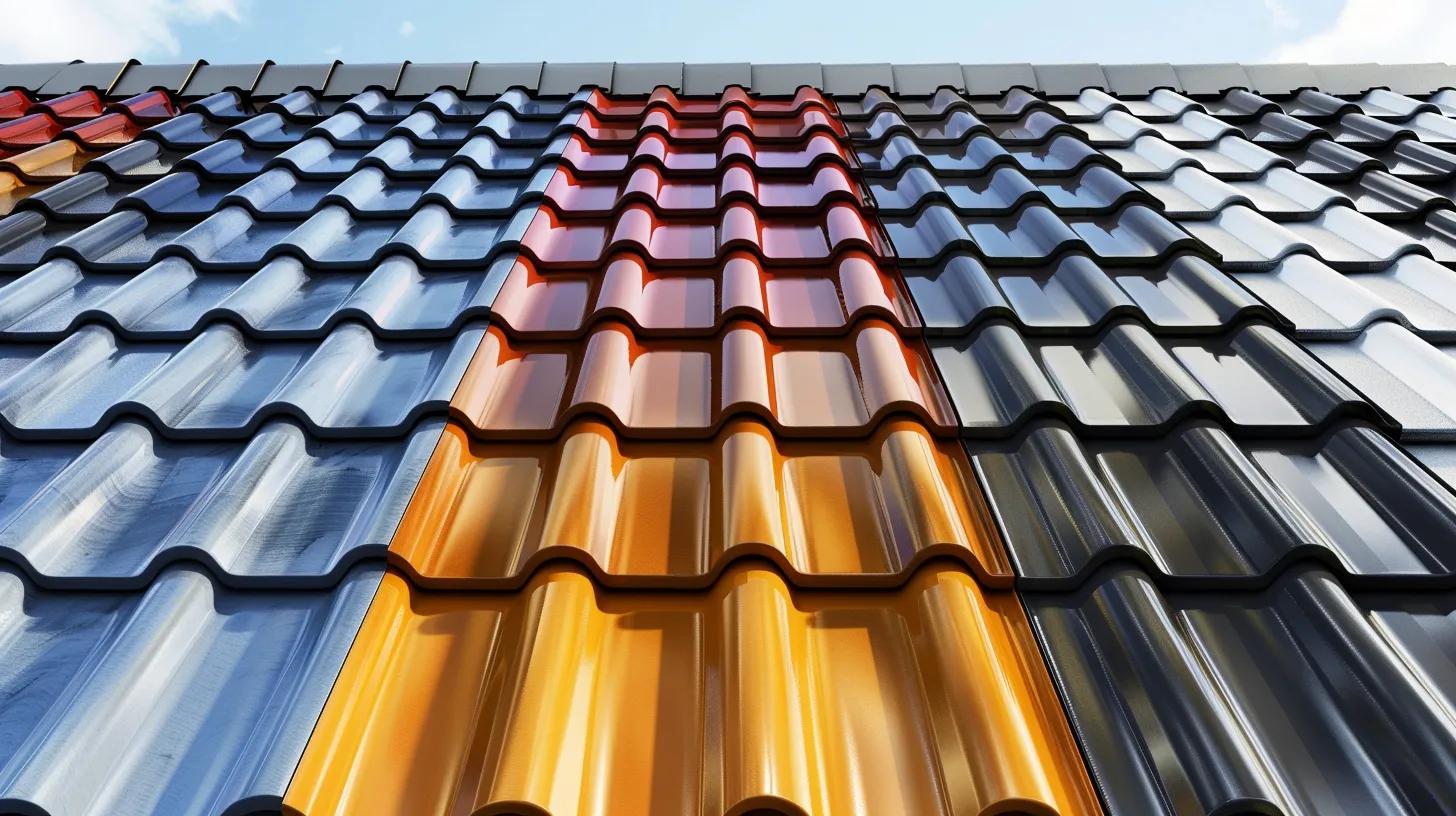
- Durability Against Weather: Energy-efficient roofs are often built to resist high winds and heavy rain, minimizing the risk of damage during storms.
- Energy Efficiency: These materials reflect sunlight, helping to keep homes cooler and reducing air conditioning costs.
- Cost Considerations: While the initial investment may be higher, the long-term savings on energy bills and reduced repair costs make them a wise choice.
How Do Material Durability and Cost Influence Your Roofing Choice?
What Are the Permitting and Compliance Requirements for Roofing Projects in Texas?
Which Permits Are Required for Residential Roof Replacement and Repairs?
- Building Permits: Required for major repairs or replacements.
- Electrical Permits: Necessary if the roofing work involves electrical components.
- Inspection Permits: Often required to ensure compliance with local building codes.
How Does Compliance with Texas Roofing Codes Affect Project Approval?
What Is the Typical Timeline and Process for Residential Roof Installation and Completion?
How Is the Roofing Project Scheduled from Start to Finish?
- Initial Consultation: Discussing the project scope and materials with the contractor.
- Permitting: Allowing time for necessary permits to be obtained.
- Installation: The actual roofing work, which can take several days depending on the project's size.
What Are the Final Inspection and Quality Assurance Steps Before Project Completion?
- Final Inspection Criteria: Checking for proper installation and material integrity.
- Quality Assurance Measures: Ensuring that all aspects of the roof are functioning correctly.
- Homeowner Walkthrough: Allowing the homeowner to review the work and address any concerns before finalizing the project.