My Website

Beat the Texas Heat: Energy Saving Cool Roof Options and Radiant Barrier Installation for Houston Homes

As Houston summers bring soaring temperatures, homeowners increasingly seek effective solutions for heat management. This guide focuses on cool roofing materials and radiant barriers, crucial components for enhancing energy efficiency in homes. By employing these technologies, homeowners can significantly reduce indoor temperatures, lower energy bills, and improve overall comfort. This article will delve into the specific types of cool roofing materials, the functioning of radiant barriers, and the financial benefits associated with these solutions, including rebates and potential energy savings.

What Are Cool Roofing Materials and How Do They Work in Houston's Climate?

Cool roofing materials are designed to reflect more sunlight and absorb less heat than traditional roofs, making them particularly effective in warm climates like Houston. By utilizing reflective materials, these roofs help to reduce roof surface temperatures, consequently lowering the heat transferred into homes. This cooling mechanism not only enhances indoor comfort but also alleviates the demand for air conditioning, translating to energy savings. For Houston residents, the high humidity and substantial sunlight make cool roofs an essential investment for sustainable living.

Which Cool Roof Types and Reflective Materials Reduce Houston Attic Temperatures?

There are various types of cool roofing materials that can effectively reduce attic temperatures in Houston homes:

  1. Metal Roofing: Known for its durability and high reflectivity, metal roofing can lower roof surface temperatures significantly.
  2. Reflective Coatings: These are applied to existing roofs to enhance their reflective properties without needing a complete roof replacement.
  3. TPO Roofing: Thermoplastic Olefin (TPO) is a single-ply roofing membrane that reflects solar heat and is ideal for flat roofs.
  4. Light-colored Asphalt Shingles: These shingles have reflective surfaces that help minimize heat absorption.

These options provide numerous routes to achieving energy efficiency through improved thermal management in homes.

How Does Solar Reflectance Index Impact Energy Efficiency of Houston Roofs?

The Solar Reflectance Index (SRI) quantifies a roof’s ability to reflect solar energy and emit absorbed heat. A higher SRI value indicates better performance in reducing heat absorption, which significantly enhances energy efficiency. In Houston, where high temperatures are prevalent, selecting roofing materials with a high SRI is important. This not only helps maintain cooler indoor temperatures but also reduces the overall air conditioning load, thus lowering energy costs. Therefore, homeowners should consider SRI ratings as a critical factor when choosing roofing materials.

How Do Radiant Barriers Enhance Home Comfort and Energy Savings in Houston?

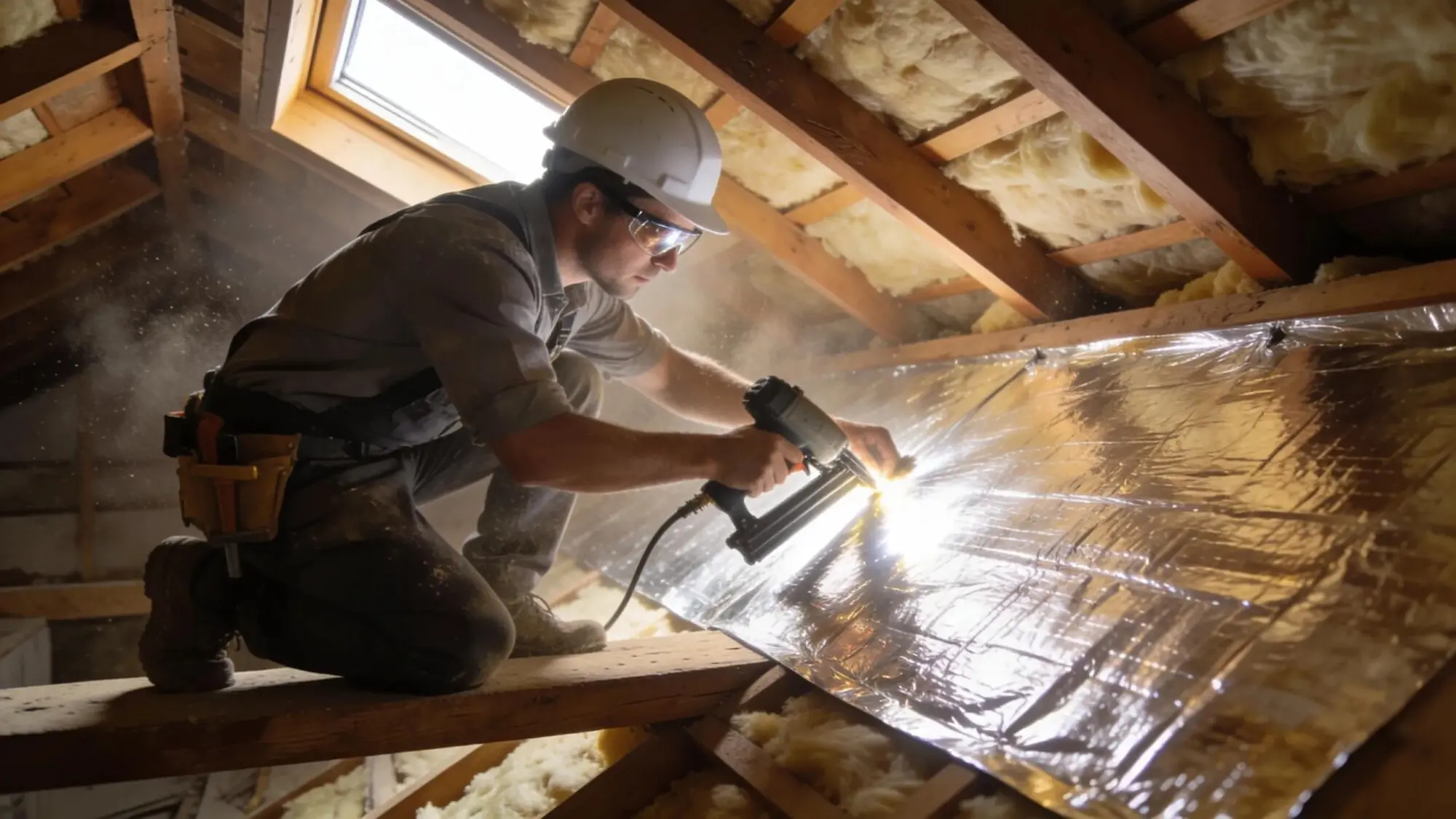
Radiant barriers are reflective materials installed in attics or on roof surfaces, aimed at reducing heat transfer into living spaces. By reflecting radiant heat away, these barriers help keep attics and homes cooler, particularly during the hot summer months. This mechanism leads to noticeable energy savings by decreasing the reliance on air conditioning systems. Therefore, integrating radiant barriers with well-designed cool roofing can help maintain optimal indoor temperatures, improving overall comfort for Houston homeowners.

What Is the Radiant Barrier Installation Process for Houston Roof Cooling Systems?

The installation process for radiant barriers involves several steps:

  1. Assessment: A professional will inspect your attic to identify the best approach for installation.
  2. Surface Preparation: The attic surfaces where radiant barriers will be installed must be cleaned and cleared of any debris.
  3. Installation: The radiant barrier material is then fastened to the underside of the roof rafters or on top of the attic insulation.
  4. Final Inspection: Post-installation, a check ensures proper installation and adherence to building codes.

This process typically takes 1-2 days for completion, significantly enhancing attic insulation.

How Effective Are Radiant Barriers in Reflecting Heat in Texas Homes?

Studies have demonstrated that radiant barriers can reduce attic temperatures by 30°F or more during peak summer months, thereby directly contributing to overall home cooling. They work best in hot climates like Texas, where high levels of solar radiation necessitate effective thermal management. According to a report from the U.S. Department of Energy, homes with radiant barriers can achieve energy savings ranging from 5% to 10% on cooling costs, substantiating their effectiveness as an energy-efficient solution.

What Are the Energy Savings and Cost Benefits of Cool Roofs and Radiant Barriers in Texas?

Investing in cool roofs and radiant barriers comes with notable financial advantages. Homeowners can expect a reduction in energy bills due to decreased reliance on air conditioning systems. Over time, the initial installation costs can be offset by significant monthly savings, making these technologies not only environmentally friendly but also financially viable.

How Much Can Cool Roofs Reduce Energy Bills in Houston by 2026?

By 2026, homeowners in Houston could see energy bill reductions of 20% with new cool roofing solutions installed. As the demand for energy-efficient homes increases and electricity prices rise, the savings become increasingly attractive. Additionally, these roofing options increase property value through enhanced energy performance, making them a smart investment in a rapidly changing energy landscape.

Which Local Rebates and Incentives Support Energy Efficient Roofing Solutions?

Homeowners in Texas can benefit from various local and state rebates that encourage the installation of energy-efficient roofing solutions. Programs may include:

  • Texas Property Assessed Clean Energy (PACE): Offers financing for energy improvements, including roofing technologies.
  • Federal Tax Credits: Homeowners may qualify for tax credits on specific energy-efficient home improvements.

These incentives help mitigate upfront installation costs, facilitating investment in sustainability.

What Climate Adaptation Strategies Should Houston Homeowners Use With Cool Roofing?

Houston homeowners should consider implementing the following climate adaptation strategies alongside cool roofing:

  • Use of Energy-Efficient Windows: Installing double-pane windows helps reduce heat gain.
  • Landscaping for Shade: Strategically planting trees can provide natural shade over roofs and windows.
  • Attic Insulation: Upgrading insulation can work synergistically with cool roofing to minimize heat infiltration.

Combining these strategies with cool roofing will maximize energy efficiency and promote greater comfort.

How Do Cool Roofs and Radiant Barriers Mitigate Rising Houston Summer Heat?

Cool roofs and radiant barriers work together to protect homes from rising summer temperatures. By reflecting sunlight and reducing the absorption of heat, both solutions contribute to a more stable indoor climate. In Houston’s sweltering summers, their implementation can significantly improve residential comfort, decrease energy consumption, and alleviate the urban heat island effect.

What Other Home Energy Efficiency Measures Complement Cool Roof Installation?

In addition to cool roofing, homeowners should consider:

  • High-Efficiency HVAC Systems: Upgrading to energy-efficient models can maximize the benefits of cool roofing.
  • Duct Sealing: Ensuring that ductwork is tight can prevent air loss and improve system efficiency.
  • Solar Power Installation: Incorporating solar panels can generate renewable energy, further reducing reliance on electrical grids.

These measures, when combined with cool roofs, create a comprehensive energy solution for homeowners in Houston.

How Can Houston Homeowners Choose the Best Reflective Roofing Solutions for Their Needs?

Choosing the right reflective roofing solutions involves several factors. Homeowners should evaluate:

  1. Climate Suitability: Selecting materials that specifically address Houston's unique climate challenges.
  2. Cost vs. Benefits: Assessing the long-term savings against the initial investment required.
  3. Aesthetic Appeal: Ensuring that the choice of roofing complements the existing home design.

Taking these factors into account allows homeowners to make informed decisions that align with their energy efficiency goals.

What Comparing Factors Should Be Considered Among Cool Roofing Materials in Houston?

When analyzing different cool roofing materials, homeowners should compare the following factors:

  • Durability: How long the material lasts under Houston weather conditions.
  • Reflectivity: The material’s effectiveness in reflecting solar radiation.
  • Cost: Installation and long-term maintenance expenses.

Understanding these aspects aids homeowners in selecting roofing solutions that meet their specific needs while maximizing energy efficiency.

Where to Find Trusted Installation Services for Radiant Barrier and Cool Roof Systems?

Finding reputable installation services in Houston can significantly impact the performance of cool roofing solutions. Homeowners should look for:

  • Licensed Contractors: Ensure that the installers are properly licensed and insured.
  • Experience Level: Contractors specialized in energy-efficient roofing should be prioritized.
  • Customer Reviews: Checking references and customer feedback can provide insights into the quality of work.

Selecting a trusted service provider is crucial for maximizing the benefits of cool roofing technologies.