
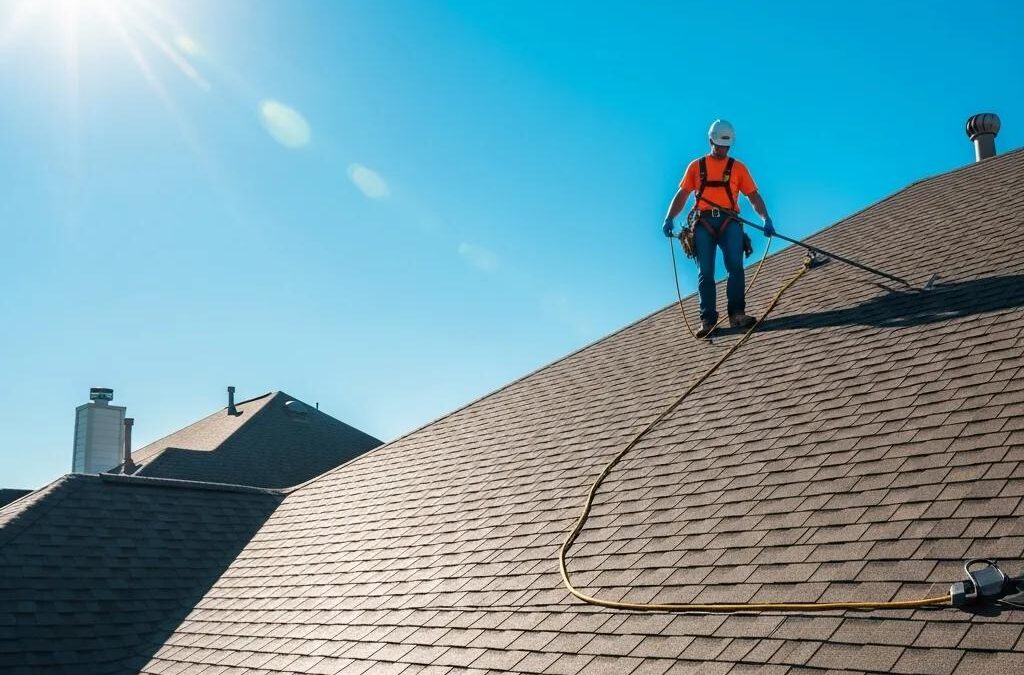
Houston Roof Tune-Up Program Details
Building Tune-Up Programs: Financial Incentives for Owners
With funding from the US DOE, a package of technical and financial support was developed for building owners and energy service providers to encourage this hard-to-reach market to participate in the tune-up—and even go beyond requirements for greater energy savings. Seattle City Light, the municipal electric utility, offered participants a simple per square foot financial incentive.
Building Tune-Up Accelerator Program (Final Technical Report), 2020
Roof Tune-Up Financing Houston

- Personal Loans: Many homeowners opt for personal loans to cover the costs of roof tune-ups. These loans often have flexible repayment terms and can be used for various home improvement projects.
- Home Equity Loans: If you have built up equity in your home, a home equity loan can provide the necessary funds for a roof tune-up. This option typically offers lower interest rates compared to personal loans.
- Credit Cards: For smaller tune-up costs, using a credit card can be a convenient option. However, it's essential to consider the interest rates and ensure you can pay off the balance promptly.
Benefits of Regular Roof Maintenance in Houston
Comprehensive Preventive Maintenance Checklist for Houston Roofs
- Inspect and Replace Damaged or Missing Shingles: Check for curling, cracking, granule loss, and missing shingles caused by heat, hail, or wind.
- Clean and Maintain Gutters and Downspouts: Remove leaves, debris, and obstructions to ensure proper water drainage and avoid water backup that can damage roofing and fascia.
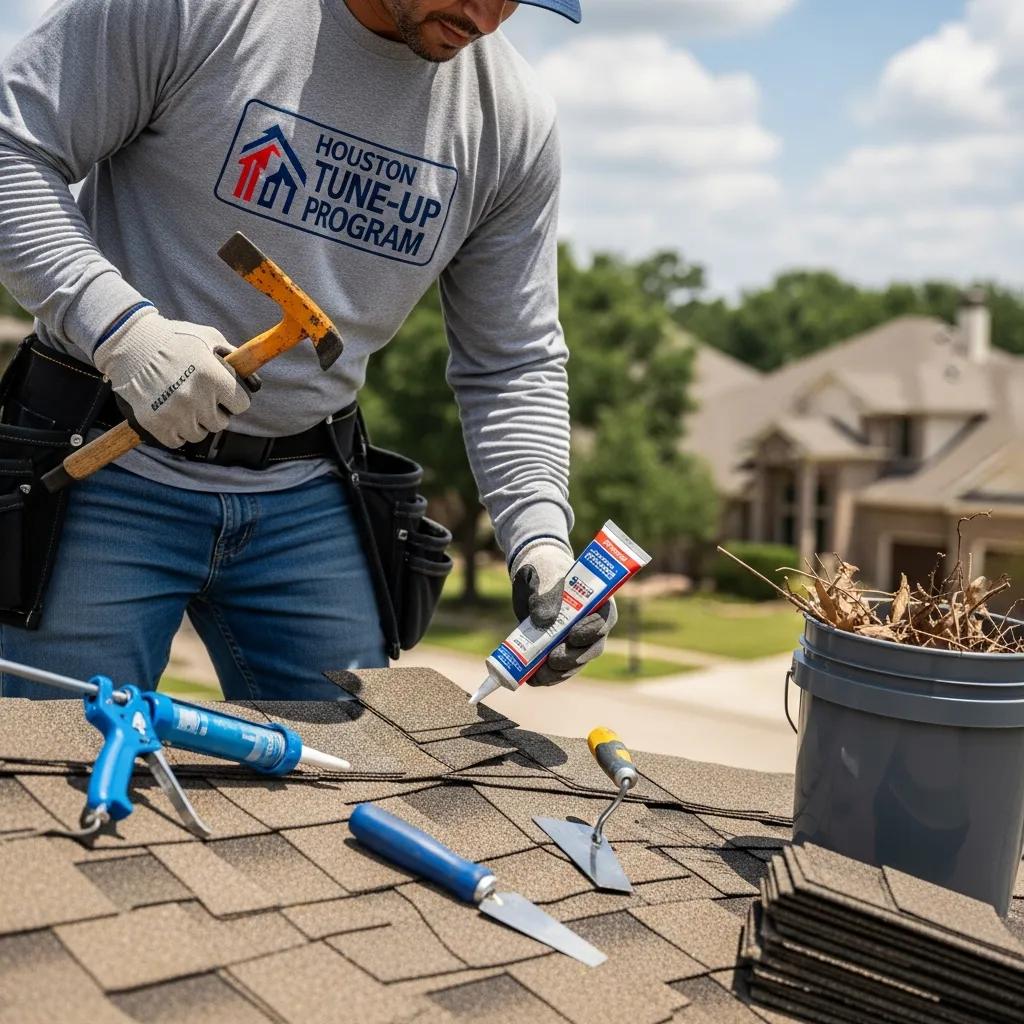
- Examine Flashing and Sealants: Inspect flashing around chimneys, skylights, vents, and roof edges. Repair cracks, corrosion, or loose areas and reseal joints to prevent leaks.
- Check Roof Deck and Structural Integrity: Look for sagging, soft spots, or water stains on the decking and underlying rafters indicating moisture damage.
- Remove Algae, Moss, and Mold: Clean affected areas to prevent moisture retention and structural deterioration, applying zinc or copper-based treatments if necessary.
- Inspect and Maintain Roof Ventilation: Ensure vents and attic exhausts are unobstructed to prevent heat and moisture buildup affecting roof materials.
- Seal Penetrations and Openings: Around pipes, vents, and electrical fixtures, check and maintain sealants to prevent water ingress.
- Evaluate Attic Insulation: Ensure adequate insulation to reduce thermal stress on roofing materials and improve energy efficiency.
- Check for Signs of Animal Activity: Look for nests or damage caused by birds, rodents, or insects and address promptly.
Tune-Up Inspection Workflow: Step-by-Step Process
- Initial Consultation and Scheduling: Discuss homeowner concerns and schedule a convenient inspection.
- Visual Exterior Assessment: Examine the roof surface, shingles, flashing, gutters, and overall condition using binoculars or drones for safety.
- Physical Roof Walk-Through: When safe and feasible, walk the roof to inspect for soft spots, nail pops, and hidden damage.
- Interior Attic Inspection: Check attic ventilation, insulation, mold/mildew presence, and water stains indicative of leaks.
- Detailed Documentation: Photograph and note all findings including problem areas, drainage issues, and material wear.
- Maintenance and Repairs: Clean gutters, replace damaged shingles, reseal flashing, tighten fasteners, and treat algae or moss as needed.
- Final Testing: Verify water drainage effectiveness and inspect repairs for durability.
- Report and Recommendations: Provide homeowners with a detailed report outlining actions taken and suggested future maintenance.
Gutter and Flashing Care Essentials
- Gutter Cleaning: Remove debris at least twice a year—preferably in spring and fall—to prevent clogging and overflow.
- Check for Leaks and Rust: Inspect gutters, downspouts, and joints for leaks or corrosion and repair or replace damaged sections.
- Ensure Proper Alignment and Slope: Gutters must channel water away from the foundation; adjust as necessary.
- Flashing Inspection and Repair: Examine areas around chimneys, skylights, vents, and valleys for signs of damage or separation. Repair cracks and reseal with high-quality roofing sealants.
- Use Durable Sealants: Apply appropriate, weather-resistant sealants compatible with metal or roofing materials to maintain waterproof seals.
Seal Maintenance and Protective Tips
- Regularly Inspect and Reseal: Check all sealants annually, focusing on vulnerable areas exposed to extreme heat and humidity.
- Use UV-Resistant Products: Choose sealants and coatings formulated to withstand ultraviolet radiation and thermal expansion.
- Apply Roof Coatings: Reflective roof coatings can reduce heat absorption, protect shingles, and improve energy efficiency.
- Trim Overhanging Branches: Prevent damage from falling limbs and reduce debris accumulation.
- Monitor and Maintain Attic Ventilation: Proper airflow reduces moisture buildup, slowing deterioration of wood and shingles.
Houston Roof Lifespan: How Climate Affects Your Roof
How Heat, Humidity, Hail, and Hurricanes Shorten Roof Life in Houston
Expected Roof Lifespan by Material Type in Houston Conditions
- Asphalt Shingles: Typically last 1520 years in Houston, compared to the national average of 2030 years. The accelerated aging is due to intense UV exposure, high heat, and frequent storm damage.
- Metal Roofing: Offers the longest durability, with a lifespan of 4070 years. Metal roofs are highly UV reflective, reducing heat absorption, but require regular inspection of fasteners and seams to prevent leaks caused by wind uplift.
- Concrete and Clay Tiles: Can last 50+ years under Houston conditions but are vulnerable to hail damage. These tiles require a strong supporting structure due to their weight, and any cracked or broken tiles must be replaced promptly to avoid water infiltration.
- Flat Roofs (TPO/EPDM): Generally last 1525 years. Common failure points include standing water accumulation and seam separation, which are exacerbated by Houston19s heavy rains and temperature fluctuations.
How Regular Tune-Ups Extend Your Roof's Life
Warning Signs Your Roof Needs a Tune-Up (Houston Homeowner Checklist)
Exterior Warning Signs
- Missing or displaced shingles: Houston19s frequent storms can blow shingles off your roof, exposing the underlayment to damaging UV rays and rain. Even a single missing shingle creates a direct pathway for water intrusion, risking leaks and structural damage. A roof tune-up includes replacing missing shingles and inspecting surrounding ones for looseness to prevent further loss.
- Curling, cupping, or buckling shingles: Shingles that curl upward at the edges (cupping) or bow upward in the middle (buckling) indicate heat damage, aging, or moisture imbalance. These signs show the shingle is nearing the end of its protective life. During a tune-up, professionals assess the extent of curling and decide if spot repairs or broader replacements are necessary.
- Granule loss and bare patches: Asphalt shingles are coated with mineral granules that shield against UV radiation. When these granules shed15often visible in gutters and downspouts after rain15the exposed shingle surface deteriorates faster. A tune-up involves cleaning gutters, evaluating granule loss across the roof, and identifying compromised sections needing attention.
- Cracked, corroded, or lifted flashing: Flashing around chimneys, skylights, vents, and roof valleys is a common source of leaks in Houston homes. Metal flashing expands and contracts with temperature changes, eventually cracking or pulling away from sealed surfaces. Resealing and securing flashing is a primary repair task during every RoofFix Houston tune-up.
- Sagging roof deck or soft spots: A roof deck that visibly sags or feels spongy underfoot signals moisture damage to plywood decking or structural rafters. This is an urgent warning that water infiltration has been ongoing. Tune-up inspections include walking the roof to detect soft spots and probing for decking damage before it worsens.
- Algae streaks or moss growth: Dark streaks on the roof are caused by algae colonies, while thick green or black moss retains moisture against shingles, accelerating deterioration. Houston19s humid climate makes algae and moss common, especially on north-facing slopes with less sun exposure. Tune-ups include cleaning affected areas and applying protective treatments to inhibit regrowth.
Interior Warning Signs
- Water stains on ceilings or walls: Brown or yellow stains inside ceilings are clear indicators of active or past roof leaks. Even old, dried stains mark penetration points that can allow future water entry. A tune-up locates the exterior entry point, seals it, and documents the repair to prevent recurrence.
- Peeling paint or wallpaper near the roofline: Moisture entering the attic through small roof or flashing gaps raises humidity, which migrates into upper walls. This causes paint to peel and wallpaper to bubble or lift near the ceiling. Addressing the roof penetration during a tune-up stops moisture intrusion and prevents ongoing interior damage.
- Mold, mildew, or musty odor in the attic: A persistent musty smell or visible mold in the attic indicates chronically high humidity, often from poor ventilation or roof leaks. Houston19s humidity worsens this problem. Tune-ups inspect attic ventilation, identify moisture entry points, and recommend corrective actions to restore a dry environment.
- Unexplained increases in energy bills: A compromised roof allows conditioned air to escape and humid outdoor air to infiltrate, forcing HVAC systems to work harder. Houston homeowners using air conditioning year-round will notice this impact on utility bills. Proper sealing of the roof envelope during a tune-up reduces thermal transfer and can significantly lower cooling costs.