My Website

Comprehensive Guide to Flashing and Chimney Roof Repairs: Costs, Materials, and Local Contractor Expertise in Houston

By Usslyes Logan, Roof Fix Houston

When it comes to maintaining the structural integrity of a home, flashing and chimney repairs play a critical role in preventing leaks and ensuring durability. Homeowners must understand the various options available, the best materials suited for Houston’s climate, and the steps involved in professional repair techniques. This guide delves into the key aspects of flashing and chimney roof repairs, including fundamental materials, execution methods, comprehensive cost factors, and why hiring local contractors is essential. With insights into potential challenges and expert recommendations, this article aims to empower homeowners to make informed decisions when managing their roofing needs.

What Are the Essential Types and Best Materials for Chimney Flashing?

Chimney flashing is a crucial component that prevents water infiltration around chimneys, contributing significantly to proper roofing. It primarily involves materials that can withstand various climatic conditions. In Houston, flashings must be robust enough to resist the high humidity and heavy rainfall typical of the area. A variety of materials are commonly used, including metal types like aluminum and galvanized steel, which offer differing levels of longevity and maintenance requirements.

Which materials provide optimal durability for Houston’s climate?

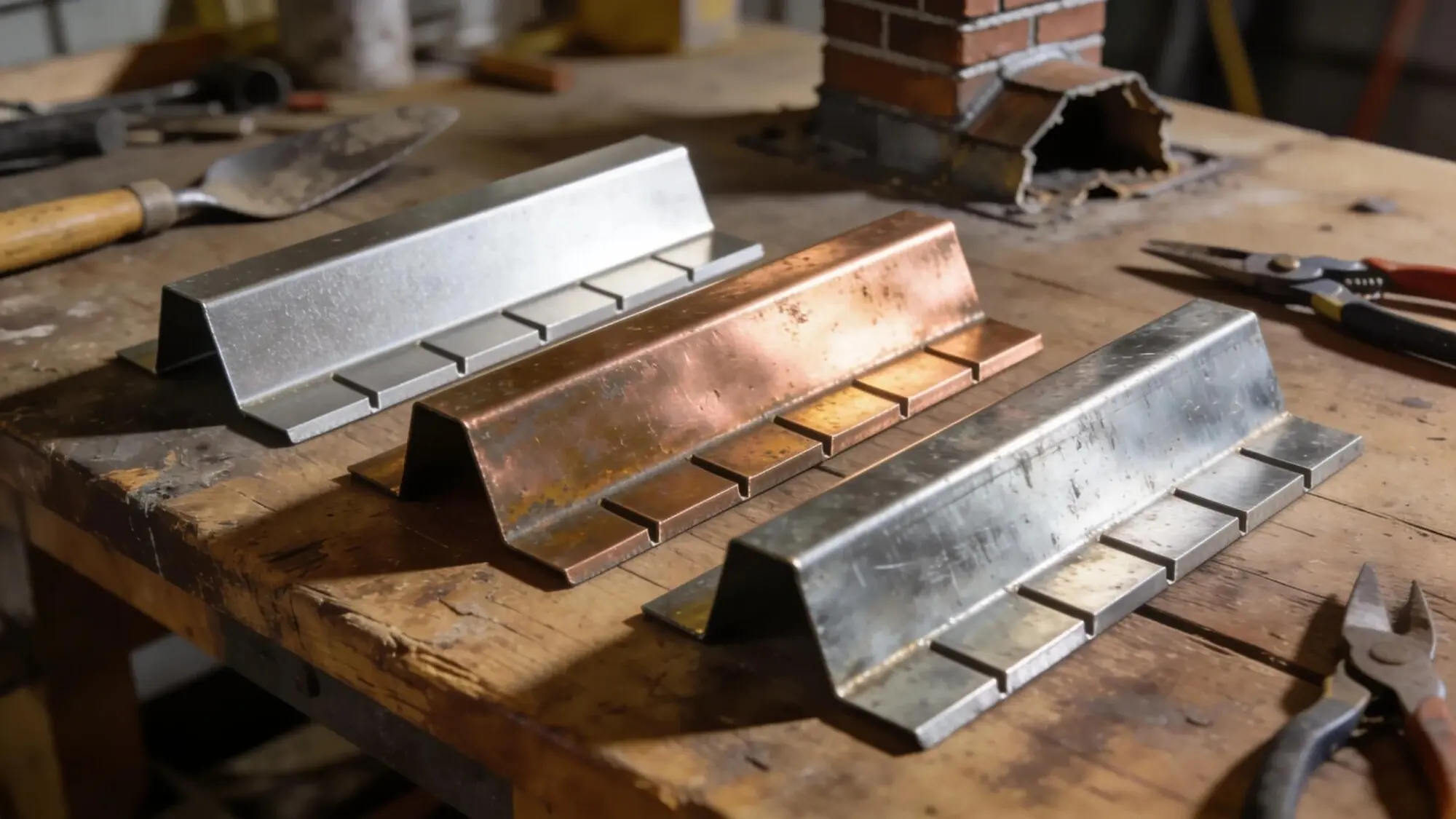
The ideal materials for chimney flashing in Houston take into account both performance and longevity. Aluminum flashing is lightweight and resistant to rust, while copper adds a touch of aesthetics and durability, although it is more expensive. Galvanized steel offers a good balance between cost and durability but may rust without proper treatment. Rubber or PVC flashings, although less traditional, can provide effective waterproofing in certain scenarios yet require more frequent inspection and potentially earlier replacement. Homeowners should choose materials that best suit their budget and maintenance capabilities while considering Houston’s specific environmental challenges.

How do aluminum, copper, and galvanized steel flashings compare?

When evaluating metal flashings, each material has distinct advantages and disadvantages. Aluminum is cost-effective and light, making it easy to work with; however, it may not have the aesthetic appeal of copper. Copper, while expensive, is incredibly durable and can last for decades, often outliving other types. On the other hand, galvanized steel serves as a robust option but requires careful installation to minimize rust damage over time. Homeowners should assess their needs and preferences, such as budget considerations and desired lifespan, to choose the most appropriate flashing material.
How Is Professional Chimney Flashing Repair Executed? Step-by-Step Techniques and Preventive Measures

Repairing chimney flashing involves a systematic approach to identify, rectify, and prevent issues effectively. Professional contractors adhere to structured methodologies that ensure both immediate fixes and long-term solutions, which are crucial for maintaining the integrity of roofing systems.

What are the critical steps in inspecting and repairing chimney flashing?

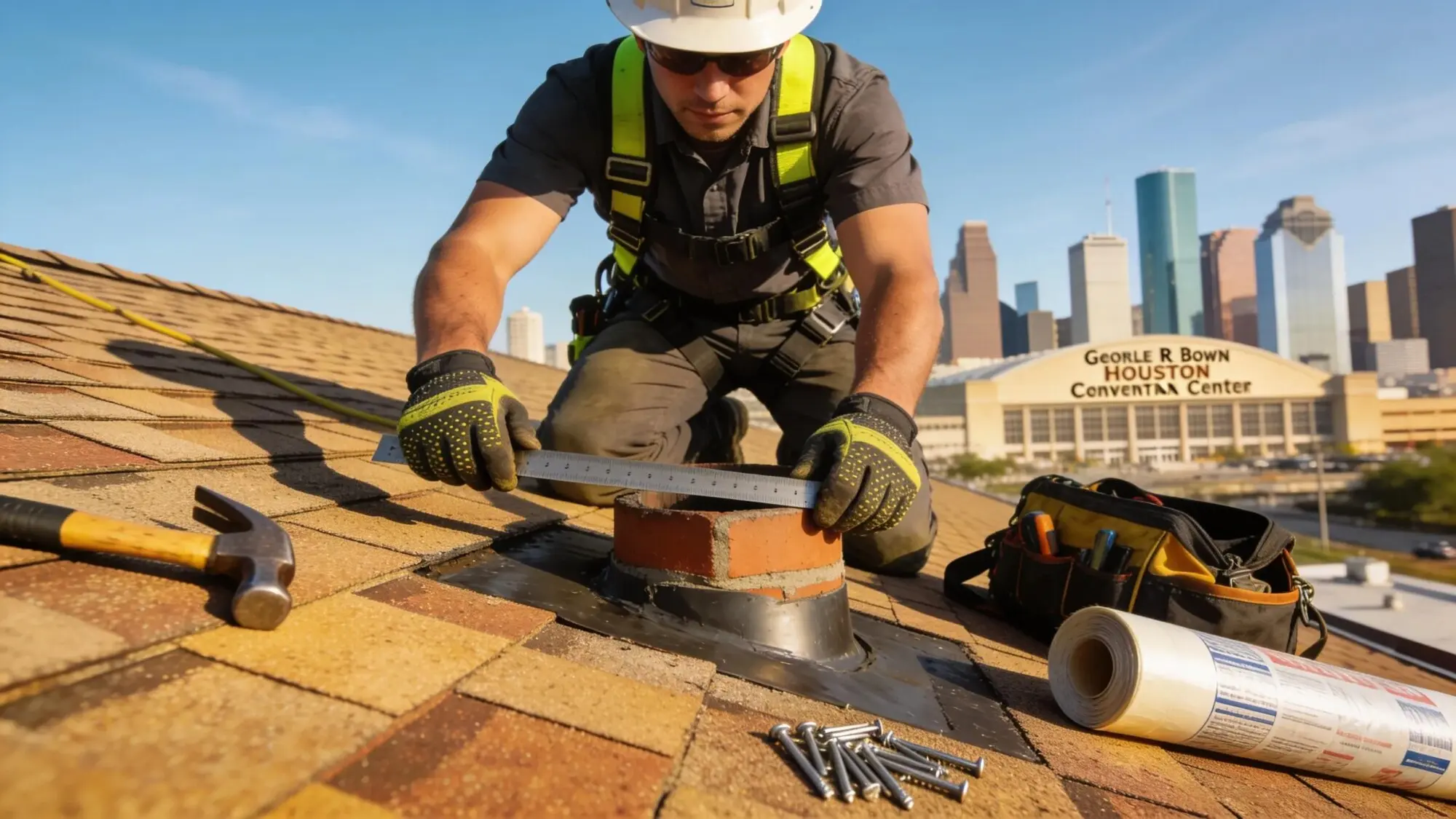
The inspection process begins with a thorough assessment of existing flashing and surrounding areas for signs of damage, such as cracks, rust, or lifting. If issues are detected, professionals typically remove old material, clean the surface, and ensure proper sealing before installing new flashing. After repairs, a water test may be conducted to guarantee the effectiveness of the installation. These steps aim to ensure that the flashing performs under variable weather conditions, thereby preventing future leaks.

Which preventive maintenance practices extend flashing lifespan?

To prolong the lifespan of chimney flashing, regular maintenance is essential. Homeowners should schedule inspections at least once a year and after severe weather events. Keeping gutters clear of debris and monitoring for signs of wear can aid in early detection of potential problems. Furthermore, timely repairs and quality materials can significantly contribute to the flashing’s durability, ultimately safeguarding the home against water damage.

What Are the Comprehensive Cost Factors for Chimney Leak Repairs and Roof Flashing Services in Houston?

Cost considerations are vital for homeowners contemplating chimney repair services. Various factors influence pricing structures, and understanding them can aid in budgeting for necessary repairs or replacements.

How do labor, materials, and local market influence repair pricing?

Labor costs in Houston can vary based on the complexity of the repair, the experience of the contractors, and local market conditions. Material pricing fluctuates based on global market trends and availability, affecting the overall project cost. Homeowners are encouraged to gather multiple estimates from local contractors to ensure competitive pricing and to discuss the scope of work involved.

What is the typical price range for chimney flashing replacement in Houston?

The cost for replacing chimney flashing in Houston generally ranges from $300 to $1,200, depending on factors such as the type of materials used and the contractor’s fees. Comprehensive assessments and informed choices regarding materials can lead to cost-effective solutions that do not compromise on quality. Understanding these pricing structures helps homeowners plan their budgets more effectively.

How to Identify Roof Leaks and Effectively Fix Roof Flashing Issues?

Identifying roof leaks can sometimes be challenging, especially when they originate from flashing problems around chimneys. Knowing the signs to look for can save homeowners considerable time and money.

What are common signs of flashing leaks around chimneys?

Homeowners should watch for several key indicators of flashing leaks around chimneys. These may include water stains on ceilings or walls, mold growth, and peeling paint. Additionally, any visible cracks in the masonry or gaps between the flashing and the chimney are signs that repairs are needed. Prompt attention to these warnings can prevent more extensive damage over time.

Which repair techniques restore flashing integrity and prevent water intrusion?

Common techniques for restoring flashing integrity include re-sealing gaps with waterproof sealants and replacing damaged sections of flashing. Using metal flashings in areas prone to significant rainfall is advisable, as they provide more reliable barriers against water intrusion. Additionally, applying preventative coatings can further extend the lifespan of flashing and mitigate future issues.

Why Choose Local Houston Roof Repair Contractors for Flashing and Chimney Repairs?

Engaging local contractors provides homeowners with numerous advantages, including familiarity with Texas weather conditions and building regulations. When selecting roofing professionals in Houston, understanding what to look for can guide homeowners to make informed decisions.

What qualifications and licenses should Houston roofing contractors hold?

When hiring a roofing contractor, homeowners should ensure that the professional is licensed, bonded, and insured. This provides a level of protection, ensuring that they meet all local building codes and regulations. Further, contractors should possess a good standing with the Better Business Bureau and have positive customer reviews.

How does Roof Fix Houston’s service differentiate in quality and responsiveness?

Roof Fix Houston specializes in roofing and remodeling services tailored to meet the specific needs of homeowners and business owners in the metropolitan area. With a focus on chimney and flashing repairs, they are recognized for their prompt response times and high-quality workmanship. This commitment to excellence ensures that homeowners can trust their services to provide both preventive care and repair solutions that maintain the integrity of their properties.

Frequently Asked Questions

1. What are the risks of DIY chimney flashing repairs?

While DIY projects can be rewarding, attempting to repair chimney flashing without proper skills can lead to serious risks, including water damage and structural problems. Improper installation may fail to create a reliable seal, increasing the chance of leaks and requiring costly professional repairs later. Moreover, working on rooftops presents safety hazards that can lead to injury. Homeowners are advised to consult with experts for effective and safe solutions.

2. How often should chimney flashing be inspected?

It is recommended to have chimney flashing inspected at least once a year, but homeowners should also consider additional checks after severe weather conditions. Regular inspections help identify early signs of wear and tear, allowing for timely repairs that can prevent water damage and larger issues down the line. Staying proactive with inspections can extend the lifespan of flashing and ensure the overall health of the roof.

3. What factors affect the lifespan of chimney flashing?

The lifespan of chimney flashing can be influenced by several factors, including the material used, environmental conditions, and maintenance practices. High-quality materials such as copper may last decades, while lower-grade options may deteriorate more quickly. Environmental stresses like humidity and extreme temperatures can also accelerate wear. Routine maintenance, including inspections and timely repairs, significantly contributes to extending the lifespan of chimney flashing.

4. Can poor chimney flashing lead to other roofing issues?

Yes, ineffective chimney flashing can create a range of problems beyond just leaks. Water intrusion can compromise roof materials, lead to mold growth, and cause damage to interior ceilings and walls. Furthermore, prolonged water exposure may weaken the roof structure, creating costly challenges for homeowners. Thus, maintaining effective flashing is critical to ensuring the health of the entire roofing system.

5. What types of warranties are available for chimney flashing repairs?

Most professional contractors offer warranties on their workmanship and the materials used for chimney flashing repairs. Typically, material warranties can last from a few years to decades, depending on the type of flashing installed. Homeowners should inquire about warranty specifics before hiring a contractor and ensure they receive written confirmation of coverage. A strong warranty provides peace of mind against future repair costs.

6. How can weather in Houston impact chimney flashing materials?

Houston’s weather, characterized by high humidity and heavy rainfall, significantly impacts the durability of chimney flashing materials. This environment increases the risk of rust and corrosion, especially for metals like galvanized steel. Choosing corrosion-resistant materials such as aluminum or copper is crucial in this climate. Homeowners should also consider protective coatings and regular maintenance to enhance the longevity of their chimney flashing.

7. Are there eco-friendly options for chimney flashing?