My Website

Professional Roof Inspection in Houston: Certified Services and Cost Insights

By Usslyes Logan, Roof Fix Houston

A professional roof inspection is essential for safeguarding your property in Houston, ensuring early detection of potential issues and extended roof life. Home and business owners alike often overlook the importance of routine inspections, which can lead to costly repairs if problems are not identified in a timely manner. This article delves into the intricacies of roof inspection services offered in Houston, including their costs, types, and the various factors influencing pricing. By understanding the inspection process, property owners can make informed decisions to maintain their roofs effectively. We will cover certified services, typical costs, the distinctions between residential and commercial inspections, and essential maintenance tips to follow post-inspection.
A professional inspection is the only way to uncover hidden structural issues before they turn into costly emergencies. Following a major storm, our certified inspectors provide comprehensive assessments and reliable Sugar Land roof repair solutions, helping local homeowners navigate insurance claims with detailed drone and thermal imaging reports.

Certified Services

Roof Fix Houston offers a range of certified roof inspection services tailored to the unique needs of both residential and commercial clients. These services include comprehensive visual assessments, thorough moisture surveys, and emergency inspections designed to identify immediate issues and implement solutions swiftly. Utilizing cutting-edge technology, such as drones and infrared scanning, inspectors can conduct more accurate evaluations, providing you with detailed condition reports. Furthermore, Roof Fix Houston ensures that all inspections are carried out by qualified professionals, adhering to industry standards for certification and reliability.

Typical Costs

Understanding the costs associated with roof inspections can help homeowners budget more effectively. Typically, a roof inspection in Houston averages around $300. However, various factors may influence this price, including the size and condition of the roof, as well as any necessary follow-up services. Below, we compare different inspection types and their associated costs to provide a clearer financial perspective.

Service TypeAverage CostDescription
Residential Roof Inspection$300Comprehensive evaluation of residential properties.
Commercial Roof Inspection$500Detailed inspection for commercial buildings, often requiring specialized equipment.
Moisture Survey$250Non-invasive analysis to detect hidden moisture problems.

These prices can vary significantly depending on the service provider and the specific needs of the property.

Factors Influencing Pricing

Several key factors influence the pricing of roof inspections in Houston. The size of the roof plays a crucial role; larger roofs naturally require more extensive inspection efforts, which can drive up costs. Additionally, the complexity of the roof design can affect pricing—more intricate designs with multiple levels or unique architectural features necessitate specialized inspection techniques and more time on-site. Accessibility challenges, such as steep pitches or difficult terrain, may further increase inspection expenses due to the additional precautions that inspectors must take.

What Are the Key Types of Roof Inspection Services in Houston?

A variety of roof inspection services are available to Houston property owners, each serving distinct purposes. Understanding these services can help you choose the appropriate inspection for your needs.

  1. Visual Assessments: This standard inspection method involves a thorough examination of visible components such as shingles, flashing, and gutters. Inspectors look for damage, wear, or signs of leaks, enabling early problem identification and recommending actions like roof tune-up preventive maintenance to prolong roof life.
  2. Moisture Surveys: These employ advanced techniques, including non-invasive methods, to detect moisture that may not be visible. Identifying hidden leaks or moisture buildup is essential for preventing long-term damage.
  3. Emergency Inspections: As the name suggests, these inspections are conducted in response to urgent issues, such as severe weather damage or sudden leaks. Quick assessments can mitigate further property damage and inform immediate repair needs.

How Do Residential and Commercial Roof Inspections Differ?

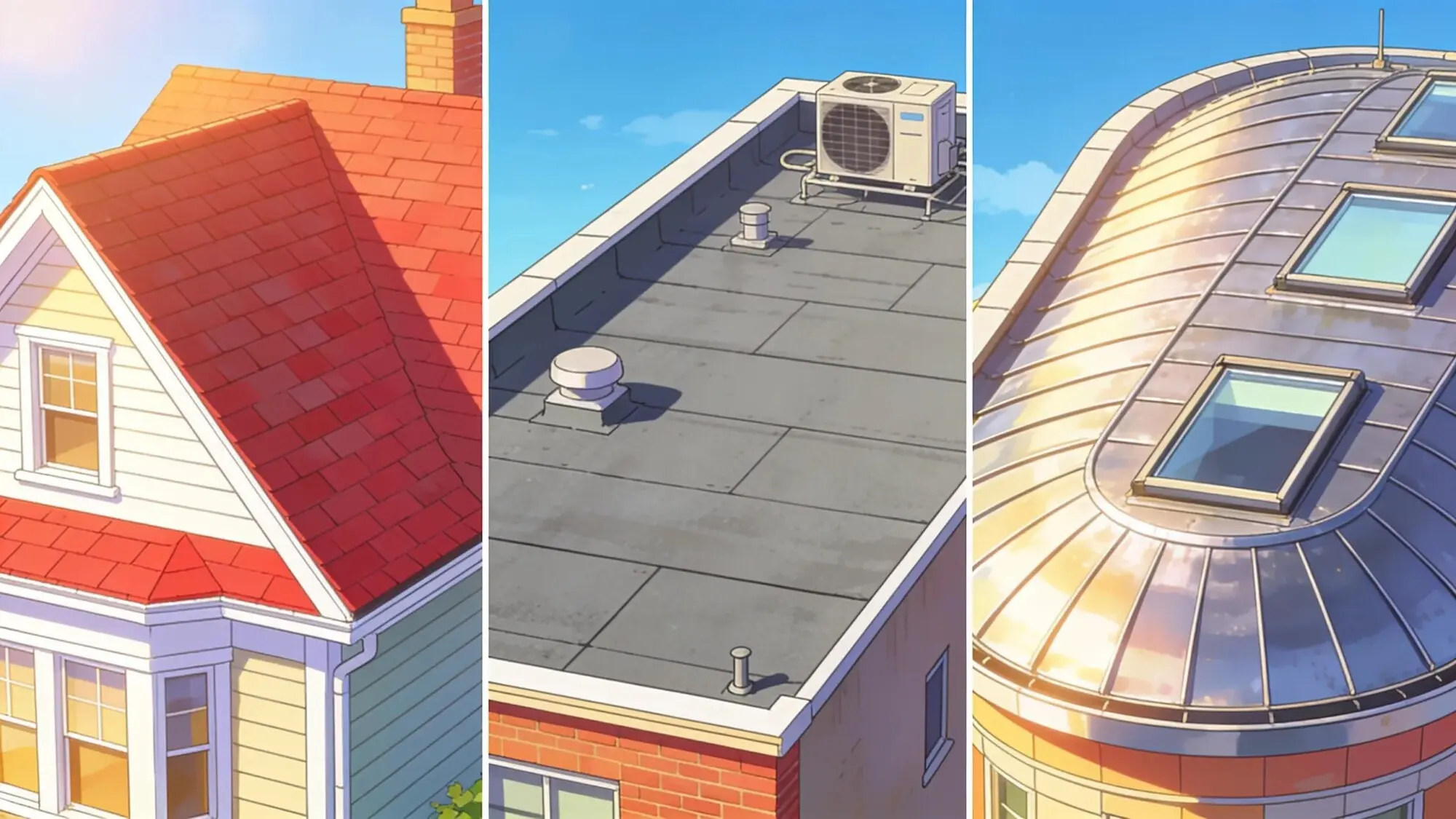
Residential and commercial roof inspections differ significantly in their processes and standards due to the varying complexities of the properties. Residential inspections typically focus on evaluating common roofing materials and designs, whereas commercial inspections may require specialized knowledge regarding industrial roofing systems, which often involve multi-layered structures and different material specifications.

In addition to the type of materials used, the intended usage of the building significantly influences the inspection criteria. For instance, commercial roofs might require more rigorous safety protocols to ensure compliance with industry regulations, while residential inspections emphasize immediate threats like leaks or structural integrity.

What Is Included in Roof Leak Detection and Damage Inspection?

Roof leak detection and damage inspections are critical in assessing the integrity of roofing systems. These inspections typically include an evaluation of visible damages, such as missing shingles or damaged flashing, and the use of various tools to identify underlying issues. Inspectors may use moisture meters and thermal imaging cameras to determine the presence of undiscovered leaks and assess water damage. Common indicators of roof damage, such as stains on ceilings or walls, mold growth, or sagging areas, are thoroughly investigated.

How Do Certified Roof Inspectors in Houston Ensure Quality and Reliability?

Certified roof inspectors employ systematic assessment methods to ensure the reliability and accuracy of their evaluations. They follow established protocols that typically feature training on recognizing potential issues and detailing inspection outcomes. Certification bodies often require ongoing education to keep inspectors updated on evolving standards and technologies in roofing. Documentation plays an essential role; inspectors provide condition reports that outline findings and recommended action steps. For insight into obtaining such standards, exploring

Frequently Asked Questions

1. How often should I schedule a roof inspection in Houston?

It is generally recommended that property owners schedule a roof inspection at least once a year. Additionally, after severe weather events like heavy storms or hail, an inspection is advisable to catch any issues early. Regular inspections can help identify potential problems before they escalate into costly repairs, ensuring the longevity of your roof and the safety of your property.

2. What qualifications should I look for in a roof inspector?

When selecting a roof inspector, look for certified professionals with experience in both residential and commercial roofing. Certifications from recognized organizations, as well as a proven track record of thorough inspections, are important. Additionally, it’s beneficial if the inspector is familiar with local building codes and industry standards to ensure compliance and safety during the assessment.

3. Are there any DIY methods for assessing roof health?

While some basic visual assessments can be done by homeowners — like checking for missing shingles or debris — thorough roof inspections require professional expertise and equipment. Tools such as thermal imaging and moisture meters are often necessary to detect hidden issues. DIY checks may miss underlying problems that could lead to major repairs if not addressed properly.

4. What are the signs that my roof needs an immediate inspection?

Signs that your roof may need urgent inspection include the presence of water stains on ceilings or walls, visible sagging, or missing shingles. Additionally, if you notice mold growth, increased energy bills, or frequent interior leaks, it is crucial to schedule an inspection right away. Addressing these issues early can prevent further damage and save on costly repairs.

5. Can roof inspections help with insurance claims?

Yes, roof inspections can be vital during the insurance claim process. If your roof suffers damage due to storms or other incidents, having a comprehensive inspection document from a certified inspector can substantiate your claim. Insurers often require detailed reports from licensed professionals to approve claims and provide coverage for repairs. Make sure to document any visible damage and the inspector’s findings to avoid insurance claim mistakes.

6. How long does a typical roof inspection take?

The duration of a roof inspection can vary based on the complexity and size of the roof. A standard residential inspection typically takes about one to two hours, while commercial inspections might take longer due to their intricacy. Factors like roof accessibility and the specific inspection methods used can influence the total time required for a thorough evaluation.

7. What should I do if my roof inspection reveals problems?

If your roof inspection indicates problems, follow the inspector’s recommendations promptly. Depending on the severity, you may need to schedule immediate repairs or plan for future maintenance. It’s important to obtain quotes from qualified roofing contractors to address the issues. Regular maintenance and timely repairs, including scheduled roof tune-up preventive maintenance, can extend the life of your roof and prevent more extensive damage in the future.