My Website

Comprehensive Metal Roof Repair and Coating Services: Cost, Maintenance, and Commercial Solutions in Houston

By Usslyes Logan, Roof Fix Houston

Metal roofing is revered for its durability and energy efficiency, making it a popular choice for both residential and commercial properties. However, even the most robust metal roofs may require repair and maintenance over time. This article serves as a comprehensive guide to metal roof repair and coating services offered in Houston, providing insights into costs, maintenance requirements, and available commercial solutions. Readers will learn how to address common issues, understand the factors influencing repair costs, and explore the benefits of professional coating services. Whether you are a property owner seeking preventative tips or looking to alleviate specific concerns about your metal roof, this guide delivers practical information. We will explore essential maintenance insights, effective rust treatment methods, and the significance of choosing the right coatings to prolong the life of your roof.

Metal Roof Repair and Coating Services in Houston

Metal roof repair and coating services in Houston are crucial for ensuring the longevity of your roofing investment. These services include addressing leaks, rust treatment, and the application of protective coatings that enhance the roof’s resistance to harsh weather conditions. Experienced providers, such as Roof Fix Houston, specialize in these services, delivering tailored solutions that meet the specific needs of each client. Professional help not only extends the life of your metal roof but also enhances its aesthetic appeal, working to prevent issues before they escalate.

Commercial and residential metal roofs require specialized coatings and sealing techniques to prevent rust and thermal expansion leaks. If you are noticing minor leaks or structural wear, our team offers dedicated The Woodlands roof repair services to restore your metal roofing system to peak efficiency without the cost of a full replacement.

Costs:

Understanding the costs associated with metal roof repair and coating services is essential for homeowners planning maintenance or restoration. The average cost for installation of a metal roof can begin at around $9.00 per square foot. When it comes to repairs, costs generally range from $300 to $1,800, depending on the extent of the damage. Emergency repair situations may incur additional charges, reflecting the urgency and labor involved. Proper budgeting ensures that homeowners can address necessary repairs without undue financial stress.

Maintenance Requirements:

Regular maintenance is vital for the performance and durability of metal roofs. To keep your roof in optimal condition, it’s recommended to schedule periodic inspections and cleaning sessions. Essential maintenance practices include:

  1. Regular Inspections: Identifying potential issues such as rust, debris buildup, and seal integrity early on is crucial.
  2. Cleaning: Preventive cleaning can mitigate corrosion and rusting caused by dirt and moisture accumulation.
  3. Professional Maintenance: Engaging skilled professionals can ensure thorough care and identify underlying problems before they lead to costly repairs.

Incorporating these practices into your routine can significantly improve the lifespan of your metal roof, reducing maintenance costs in the long run.

Available Commercial Solutions:

Metal roofing solutions for commercial properties encompass various systems tailored to meet specific operational needs. This includes emergency repair services and products designed to enhance energy efficiency. Metal roofs are often regarded for their sustainability and longevity, making them an ideal choice for business facilities looking to reduce operating costs over time. Understanding the available options can aid business owners in making informed decisions about roofing investments.

What Factors Determine Metal Roof Leak Repair Cost in Houston?

Several factors influence the cost of leak repairs for metal roofs. The complexity of the damage, the roof size, and the difficulty of access contribute to the overall pricing. Typically, labor rates vary based on geographical location, affecting how much you’ll spend on repairs. Additionally, the materials used for repairs can impact the cost; for instance, higher quality sealants and coatings might incur a greater initial investment but may save money over time due to enhanced durability.

How Are Leak Severity and Roof Size Influencing Repair Expenses?

When it comes to repairing a metal roof, the severity of the leaks and the size of the roof play critical roles in determining repair expenses. Minor leaks are generally less costly to repair, while extensive damage might necessitate a more comprehensive approach, potentially leading to significant expenses. Additionally, larger roofs typically require more materials and labor time, increasing the overall cost. Therefore, assessing the condition and scale of the roof can provide better insights into potential expenses.

What Role Do Materials and Labor Rates Play in Pricing?

The choice of materials and the associated labor rates are pivotal in shaping the overall costs of metal roof repairs. Quality materials are essential for effective repairs; for instance, using high-grade sealants and coatings ensures better adhesion and longevity. Conversely, opting for subpar materials may lead to recurrent issues and additional expenses down the line. Labor rates are also influenced by local market conditions and the expertise of the workers performing the repairs. Thus, diligent selection of both materials and contractors significantly impacts total project costs.

How Does Metal Roof Rust Prevention Enhance Longevity and Performance?

Rust prevention is integral to maintaining the integrity and performance of metal roofs. Effective rust treatment methodologies safeguard metal surfaces from corrosion, thereby extending the roof’s lifespan. Treatments may include applying rust-inhibiting primers and coatings that form a protective barrier against environmental elements, ultimately enhancing the roof’s performance and reducing the likelihood of costly repairs.

What Are Effective Rust Treatment Methods for Metal Roofs?

Several methods are effective for treating rust on metal roofs, including:

  1. Rust Converter Applications: These convert rust into a stable material that can be painted over, preventing further corrosion.
  2. Galvanization: Hot-dip galvanization adds a protective zinc layer to steel components, shielding them from rust.
  3. Protective Coatings: Utilizing high-quality coatings can seal the metal surface, preventing moisture from causing rust formation.

Implementing these methods can significantly prolong the life of a metal roof by addressing rust before it can compromise structural integrity.

Which Coating Products Provide Superior Rust Resistance in Houston’s Climate?

In the Houston climate, selecting the right roofing coatings can greatly improve a roof’s performance. Some of the most effective coating options include:

  • Acrylic Coatings: Excellent for UV protection and durability, acrylics resist fading and provide a waterproof barrier.
  • Elastomeric Coatings: These flexible coatings expand and contract with temperature changes, reducing cracking and improving weather resistance.
  • Silicone Coatings: Known for their outstanding moisture resistance, silicone coatings are ideal for roofs prone to ponding water.

Choosing the appropriate roofing coating isn’t just about aesthetics; it plays a crucial role in the prevention of rust and the enhancement of roofing longevity.

What Are the Best Commercial Metal Roof Coating Solutions Available?

Many commercial metal roof coating solutions can enhance energy efficiency and protect against environmental elements:

  1. Acrylic Pamphlet Solutions: These coatings offer a range of benefits, including UV protection and energy efficiency credits.
  2. Silicone Solutions: Perfect for managing water pooling and providing a robust waterproof barrier.
  3. Polyurethane Coatings: Featuring excellent chemical resistance, they are ideal for industrial settings where exposure to harsh materials is common.

Investing in the right commercial metal roof coating solution can ensure long-term performance and savings.

How Do Elastomeric, Acrylic, and Silicone Coatings Compare in Commercial Use?

When comparing elastomeric, acrylic, and silicone coatings, each has unique benefits that can cater to various roofing needs:

  • Elastomeric Coatings: Noted for their elasticity, these coatings can stretch and contract, making them ideal for dynamic, changing climates.
  • Acrylic Coatings: Often favored due to their lightweight nature and affordability, they are effective at reducing interior temperatures.
  • Silicone Coatings: Known for their robust water resistance and UV protection, these are a popular choice in areas prone to heavy rainfall.

Homeowners and business operators should evaluate these options based on specific weather demands and usability for best results.

What Are Warranty and Durability Considerations for Commercial Coatings?

Warranties and durability are critical aspects to consider when selecting commercial coatings for metal roofs. Many roofing manufacturers offer warranties that can range from 5 to 20 years, depending on product lifespan and performance expectations. It’s vital for facility managers to align their coating choice with long-term performance promises to prevent premature failures. Understanding warranty details can provide insights into maintenance needs and encourage proper product selection to match Houston’s unique climate challenges.

What Should a Metal Roof Maintenance Checklist Include for Optimal Performance?
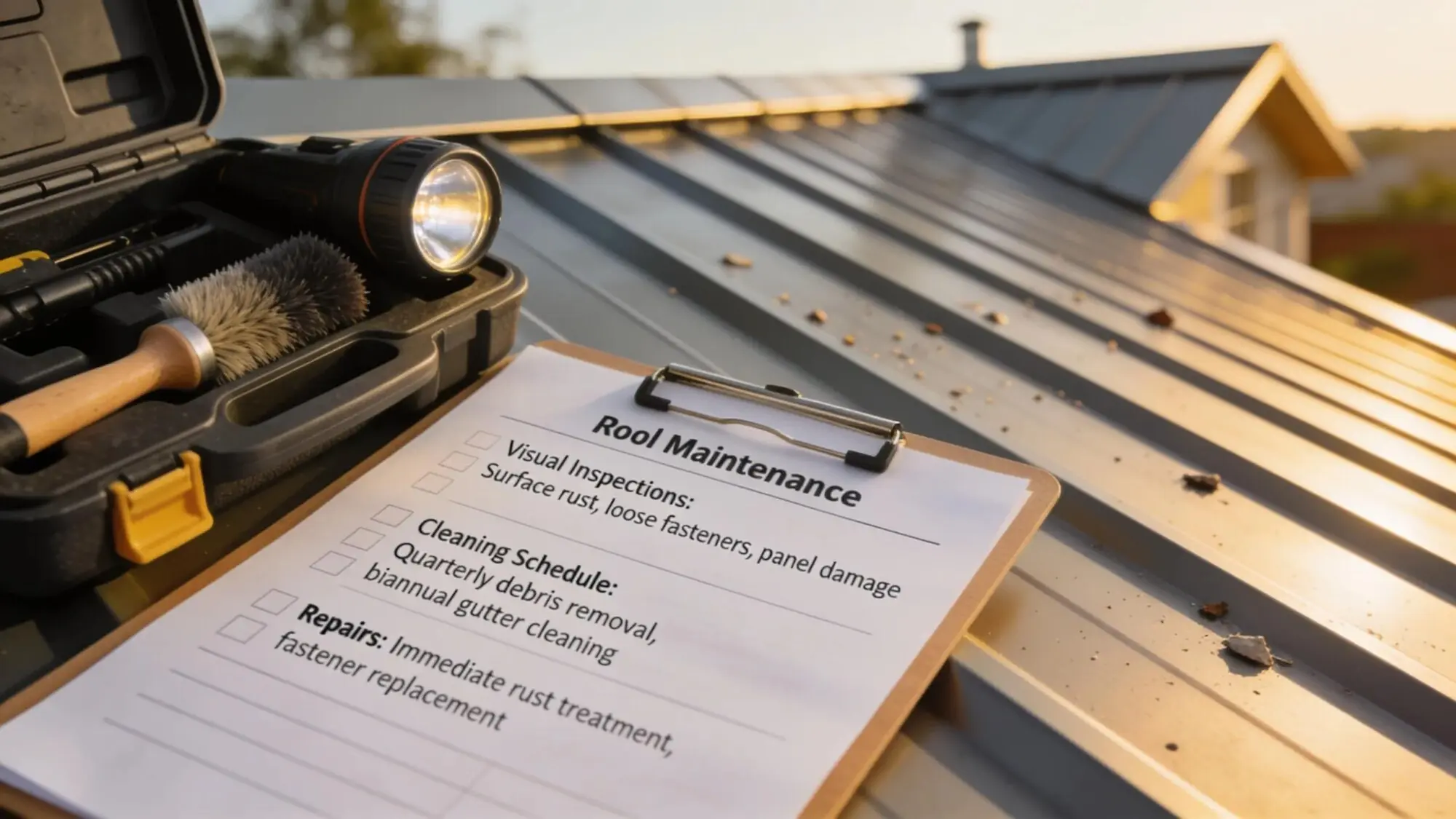
Creating a maintenance checklist is key to ensuring the longevity of your metal roof. Essential checklist items include:

  • Visual Inspections: Regular checks for rust, loose panels, and discoloration.
  • Cleaning Schedule: Timed cleanings to remove debris that could lead to corrosion.
  • Sealing and Repairs: Prompt attention to any identified issues to prevent escalation.

Timely adherence to this checklist fosters preventive management, ultimately reducing long-term costs.

Which Regular Inspections Identify Leaks and Rust Early?

Regular inspections are essential for detecting leaks and rust before they escalate into major issues. Recommended inspection practices include:

  1. Visual Checks: Look for discolorations and rust formations.
  2. Seal Integrity Tests: Ensure that all seals and flashings are intact and effective.
  3. Gutter and Drain Checks: Clear gutters and drains to prevent water accumulation on the roof.

These simple checks embrace proactive management, allowing property owners to mitigate risks significantly.

What Are Recommended Cleaning and Sealing Procedures?

Proper cleaning and sealing of metal roofs enhance their durability. Recommended practices include:

  • Using Non-Abrasive Cleaners: Avoid acidic or abrasive substances that can damage the roofing material.
  • Sealing Joints and Flashings: Ensuring all joints and flashings are sealed to prevent water ingress.
  • Routine Maintenance: Cleaning should be done monthly during high pollen seasons, and repairs should follow visually detected damage.

Effective cleaning and sealing preserve the structural integrity of the roof and promote extended service life.

How Do Metal Roof Sealing Products Complement Repair and Coating Efforts?

Metal roof sealing products play a significant role in repairing and maintaining roofing integrity. They contribute to repairs by providing robust barriers that seal joints and cracks, preventing water from entering vulnerable areas. This complements coating efforts by enhancing waterproofing capability, which is essential for avoiding rust and other damage over time. Selecting high-performance sealants ensures that coatings remain effective longer, yielding better overall performance.

What Types of Sealants Enhance Leak Repair Effectiveness?

A variety of sealants can significantly improve leak repair effectiveness:

  1. Polyurethane Sealants: Flexible and durable, suitable for dynamic surfaces.
  2. Silicone Sealants: Known for their moisture resistance, ideal for permanent applications.
  3. Acrylic Sealants: Cost-effective sealants for general purposes, with good adhesion properties.

Choosing the right type of sealant will enhance the efficacy of repairs, prolonging the roof’s service life.

How Does Sealant Application Integrate with Overall Roof Coating Systems?

Sealant application is a critical component of comprehensive roof maintenance. To optimize repair effectiveness, sealants should be carefully applied prior to the installation of coating systems. This sequential methodology ensures that the coating adheres properly and creates a unified protective barrier. For best practices, it’s essential to maintain a clean bonding surface for the sealant, leading to improved resilience against the elements. Therefore, proper integration of sealants with roof coatings is fundamental to achieving long-term protective effects against environmental conditions.

Frequently Asked Questions

1. What are the benefits of using elastomeric coatings for metal roofs?

Elastomeric coatings offer significant advantages, primarily their flexibility and waterproof properties. They are designed to expand and contract with temperature changes, reducing the risk of cracking and maintaining a tight seal. Additionally, they provide excellent UV resistance, helping to lower interior temperatures, which can lead to energy savings. Their ability to withstand harsh weather conditions, combined with a relatively low maintenance requirement, makes them a popular choice for both residential and commercial applications.

2. How often should a metal roof be inspected?

Regular inspections of a metal roof are crucial for optimal maintenance. It is generally recommended to inspect your roof at least twice a year, ideally in the spring and fall. Additionally, following severe weather events, such as storms or heavy winds, more frequent inspections may be necessary. These checks should focus on identifying signs of rust, damage, or loose panels, ensuring prompt addressing of any emerging issues before they lead to costly repairs.

3. Are there DIY maintenance tips for metal roofs?

While it’s best to consult professionals for extensive repairs, homeowners can perform basic maintenance themselves. Simple tasks include cleaning gutters and downspouts, removing debris from the roof surface, and visually inspecting for damage or rust. Additionally, homeowners can ensure that overhanging branches are trimmed back to prevent abrasion on the roof. Always prioritize safety when accessing the roof and consider hiring professionals for any structural issues or extensive cleaning.

4. How does climate affect the choice of metal roof coatings?

The local climate significantly influences the choice of coatings for metal roofs. In humid and rainy areas like Houston, moisture-resistant coatings such as silicone are recommended as they prevent water pooling and rust. In hot climates, reflective coatings like elastomerics can help reduce heat absorption and lower energy bills. Understanding the specific climatic conditions allows property owners to select coatings that enhance durability and performance while minimizing damage risks.

5. Can I paint over existing metal roof coatings?

Yes, you can paint over existing metal roof coatings, but it is essential to consider the type of coating already applied. Before painting, ensure the surface is thoroughly cleaned and free from rust, dirt, or other debris. Additionally, check compatibility between the current and new paint types. It’s advisable to use high-quality coatings designed for metal surfaces to achieve the best results and ensure long-lasting protection against environmental elements.

6. What warranties are typically available for metal roof coatings?

Warranties for metal roof coatings can vary significantly by manufacturer and product type, typically ranging from 5 to 20 years. These warranties often cover defects in material and application but may exclude damages due to lack of maintenance or severe weather. It’s important for property owners to carefully read warranty details, including conditions and maintenance requirements, to ensure they maintain their coverage and avoid unexpected costs over time.

7. What should I know about hiring a contractor for metal roof repairs?

When hiring a contractor for metal roof repairs, it’s essential to consider their experience and reputation. Look for contractors who specialize in metal roofing and have good reviews. Verify their credentials, including insurance and licensing, to protect yourself from liability. Obtaining multiple estimates can provide insight into fair pricing. Lastly, ensure that they offer a detailed contract outlining the scope of work, materials used, and warranty to avoid any misunderstandings during the project.