My Website

Comprehensive Roof Tune-Up and Preventive Maintenance Guide for Houston Property Owners

By Usslyes Logan, Roof Fix Houston

Maintaining the integrity of your roof is crucial for protecting your home or business from the elements. Roof tune-ups and preventive maintenance play a vital role in extending the lifespan of your roofing system, ultimately saving you from costly repairs in the future. In this guide, we will explore essential practices for roof maintenance, the benefits of regular tune-ups, cost considerations, common issues property owners face, and actionable tips for successful upkeep. Homeowners and business owners alike will discover practical advice for ensuring their roofs stand strong against Houston’s unique climate challenges.

Essential Maintenance Practices:

Regular maintenance is key to extending the life of your roof. Here are three essential practices homeowners should implement to maintain their roofs:

  1. Routine Inspections: Schedule inspections at least twice a year, ideally in spring and fall, to catch early signs of wear and tear.
  2. Debris Removal: Keep your roof clear of leaves, branches, and other debris, as accumulation can lead to drainage issues.
  3. Engaging Professionals for Maintenance: Consider hiring a qualified roofing contractor for specialized maintenance tasks to ensure safety and effectiveness.

Incorporating these practices will help maintain the integrity of your roofing system while preventing potential issues from escalating.

Benefits of Roof Tune-Ups:

Regular roof tune-ups provide several advantages that contribute to the overall health of your roofing system:

  1. Cost Savings: Early detection of minor issues through tune-ups can prevent them from escalating into major repairs, ultimately saving you money.
  2. Increased Property Value: A well-maintained roof enhances the overall appearance and value of your property, making it more appealing to potential buyers.
  3. Enhanced Energy Efficiency: Regular maintenance can optimize your roof's ability to insulate your home, reducing energy costs.

By investing in regular roof tune-ups, property owners can protect their investment and ensure their roofs are functioning at their best.

Roof Fix Houston specializes in roofing and remodeling services in the Houston area. They can assist in providing comprehensive roof maintenance solutions that cater to both homeowners and businesses.

Regular maintenance is the key to extending your roof’s lifespan and avoiding costly emergency repairs. Our comprehensive Houston roofing services include seasonal tune-ups and proactive care. For homeowners in the northern suburbs, we also provide dedicated roof replacement in Spring TX to address severe wear before storm season arrives.

Cost Considerations:

When considering roof maintenance, understanding the costs involved is essential. Here are some average costs associated with basic roof tune-up services:

ServiceAverage CostBenefits
Basic Inspection$100 - $200Identifies potential issues early
Minor Repairs$200 - $500Addresses small problems before they escalate
Complete Tune-Up$400 - $800Comprehensive maintenance covering multiple aspects

This breakdown provides insight into how these services can be cost-effective in the long run as they reduce the potential for significant repairs necessitated by neglect. Additionally, homeowners should consider exploring financing options if needed.

Common Issues to Address:

Houston’s climate poses various challenges for homeowners, leading to common roofing issues. Property owners should watch for:

  1. Visible Signs of Wear: Look for cracked or curling shingles that can compromise your roof's integrity.
  2. Gutter Maintenance: Ensure gutters are clear to prevent water backup, which can damage the roof and the underlying structure.
  3. Shingle Repairs: Address any missing or damaged shingles promptly to prevent leaks.

Awareness of these common issues can help property owners take proactive measures early on.

What Are the Essential Steps in a Professional Roof Tune-Up?

A professional roof tune-up involves several critical steps that ensure your roofing system is thoroughly checked and maintained:

  1. Scheduling an Inspection: Coordinate with a licensed roofer for a comprehensive assessment.
  2. Thorough Assessment of Roof Components: Check all roofing components, including shingles, flashing, and gutters, for potential issues.
  3. Documentation and Recommendations: After the inspection, receive a detailed report with recommendations for repairs or maintenance.

Following these essential steps will help ensure that your roof remains in optimal condition, preventing costly repairs down the line.

How Does a Roof Inspection Checklist Enhance Preventive Maintenance?

Utilizing a roof inspection checklist is invaluable for preventive maintenance. It allows homeowners to:

  1. Enhance Early Problem Detection: A structured approach allows for systematic identification of issues.
  2. Increase Property Value: Regular inspections contribute to maintaining the property's value by ensuring the roof is in good condition.
  3. Improve Energy Efficiency: Maintaining a well-inspected roof enhances insulation and energy efficiency, leading to lower utility bills.

A checklist provides a clear framework for ensuring all elements are reviewed, which can lead to more comprehensive maintenance.

Which Roofing Materials and Components Are Evaluated During Tune-Up?

During a professional roof tune-up, various roofing materials and components are thoroughly evaluated. Important components include:

  1. Shingles: Assess for damage, curling, or missing pieces to determine if replacement is necessary.
  2. Flashing: Check the integrity of flashing around chimneys, vents, and skylights to avoid leaks.
  3. Gutters: Ensure gutters are clear and structurally sound to facilitate proper water drainage.

A comprehensive evaluation of these key areas ensures that potential problems are addressed before they lead to more significant issues.

How Can Property Owners Identify Signs of Roof Damage Early?

Identifying signs of roof damage early can save property owners significant time and money. Key indicators to watch for include:

  1. Water Stains: Interior leaks often present as water stains on ceilings or walls, indicating potential roof issues.
  2. Mold or Mildew: The presence of mold can signify moisture problems that need immediate attention.
  3. Missing Shingles: Observing missing shingles from the ground stage is an important early warning sign of roof damage.

Understanding these signs empowers property owners to address issues proactively.

What Are Common Roof Repair Signs Relevant to Houston’s Climate?
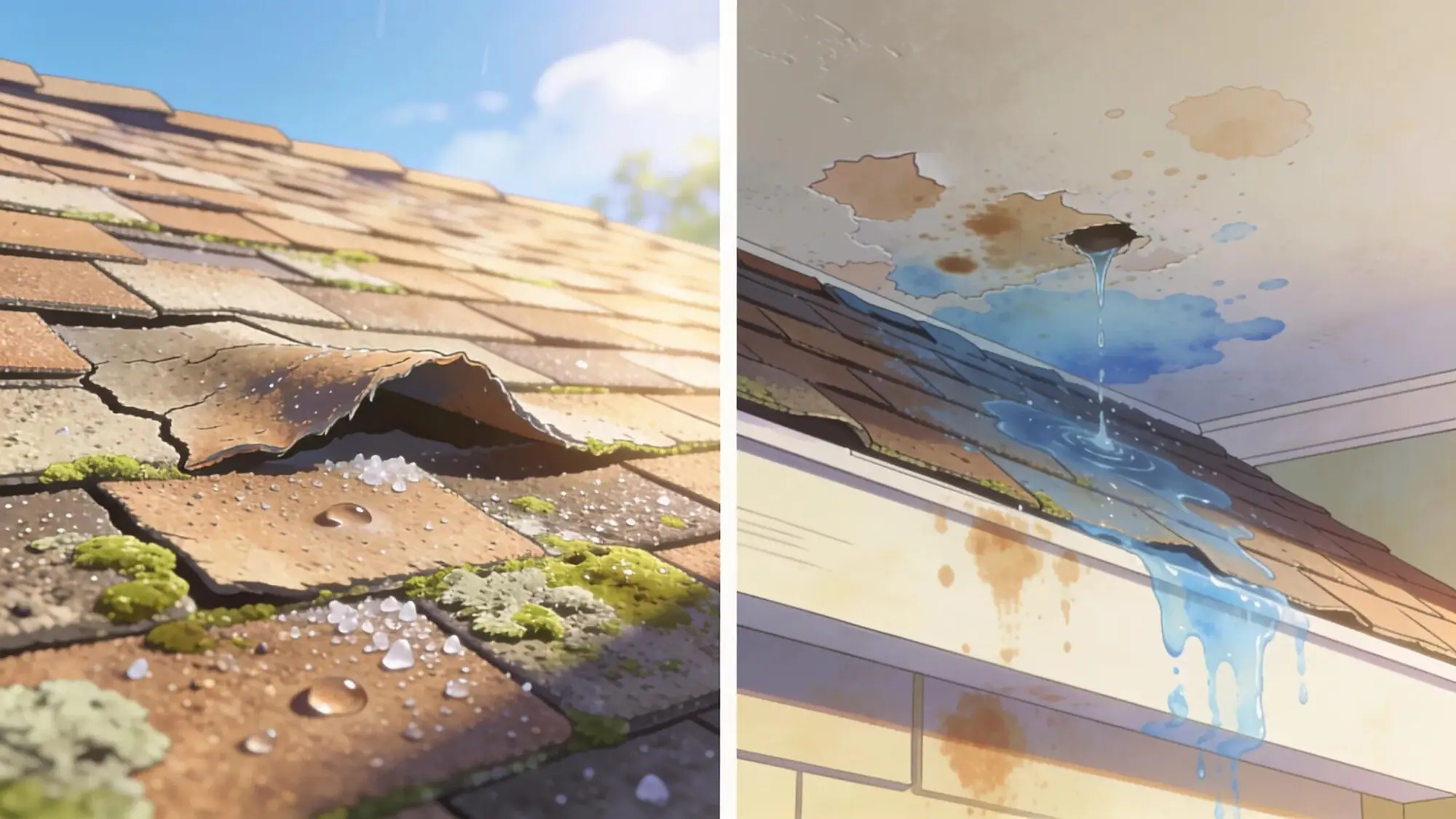
In Houston, heat and humidity can exacerbate roofing problems. Common signs of roof repair needs include:

  1. Cracked Shingles: Excessive heat can lead to shingle cracking, compromising waterproofing.
  2. Blistering: Hot conditions can cause blistering on shingles, signaling potential leaks.
  3. Sagging Roof: A sagging roof can indicate underlying structural issues that require immediate attention.

Being aware of these climate-specific signs helps property owners anticipate necessary repair actions.

How to Distinguish Between Minor Issues and Urgent Roof Repairs?

Knowing the difference between minor roofing issues and those that require urgent attention is essential. Minor issues may include:

  1. Small Leaks: Easily repairable with sealant if addressed promptly.
  2. Shingle Damage: Can often be remedied by replacing a few shingles.

Conversely, urgent repairs are indicated by issues such as:

  1. Extensive Water Damage: Signs of major leaks inside the home, requiring immediate intervention.
  2. Significant Structural Damage: Roof sagging or other signs that indicate a compromised structure.

Understanding these distinctions aids homeowners in efficient decision-making regarding their repairs.

What Is the Typical Cost Breakdown for Roof Tune-Up and Maintenance in Houston?

The costs associated with roof maintenance can vary widely depending on the extent of services provided. Below is a typical cost breakdown:

ServiceAverage CostBenefits
Roof Tune-Up$200 - $500Comprehensive inspection and maintenance
Leak Repairs$150 - $400Immediate attention to prevent further damage
Gutter Cleaning$75 - $150Preventative measure against water damage

This breakdown highlights potential expenses, guiding homeowners in budgeting for roof maintenance.

Which Factors Influence Preventive Roof Maintenance Pricing?

Several factors can influence the pricing of preventive roof maintenance in Houston:

  1. Roof Size and Pitch: Larger roofs or those with steep pitches may incur higher service costs.
  2. Material Type: Different roofing materials require varying levels of care and maintenance.
  3. Scope of Work: Comprehensive service packages will generally cost more than basic services.

Considering these factors can help homeowners have realistic expectations regarding maintenance expenses.

How Does Preventive Maintenance Reduce Long-Term Repair Expenses?

Investing in preventive maintenance can significantly reduce long-term repair costs through:

  1. Early Issue Detection: Finding problems early helps prevent significant damage and costly repairs later.
  2. Extended Roof Lifespan: Regular upkeep can prolong the lifespan of roofing materials, avoiding premature replacement.
  3. Enhanced Energy Efficiency: Keeping roofing systems well-maintained results in improved insulation, contributing to lower energy costs.

These benefits highlight the value of preventive maintenance as a wise financial strategy.

What Preventive Roofing Maintenance Tips Can Extend Roof Lifespan?

Homeowners can follow these preventive maintenance tips to extend the lifespan of their roofs:

  1. Conduct Regular Inspections: Stay vigilant with biannual inspections to catch and address issues promptly.
  2. Keep Roof Clean: Regularly remove debris to prevent blockages and water buildup.
  3. Repair Minor Issues Quickly: Attend to minor repairs immediately before they escalate into larger problems.

Implementing these practices helps maintain the structural integrity of roofs and ensures longevity.

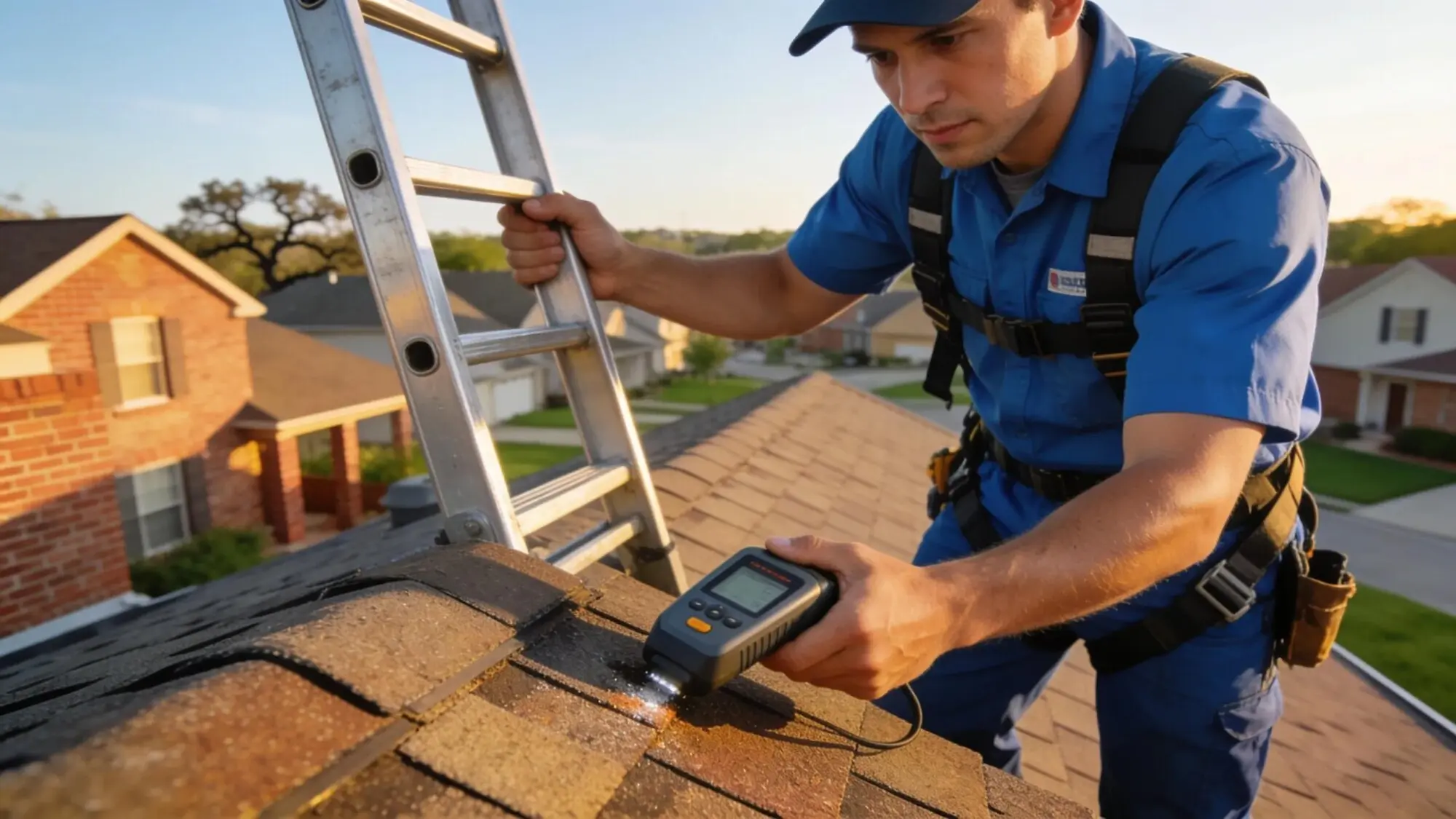
How to Perform Safe DIY Roof Maintenance Checks?

While DIY checks can be beneficial, safety is paramount. Here are steps for performing safe roof maintenance checks:

  1. Use Proper Equipment: Wear appropriate safety gear, including a harness and non-slip footwear.
  2. Utilize a Sturdy Ladder: Ensure your ladder is stable and extendable to reach your roof.
  3. Have a Buddy System: Always perform work with a partner to assist in case of emergency.

Following these guidelines can mitigate risks associated with home roof maintenance.

When Should Professional Roof Tune-Up Services Be Scheduled?

It’s advisable to schedule professional roof tune-up services at specific intervals:

  1. Spring and Fall: Ideal times for inspections due to weather conditions conducive to thorough examinations.
  2. Post-Storm Assessments: After severe weather events, assessing for any damage is essential.
  3. Before Major Purchases or Sales: Ensuring roof integrity is critical when considering selling or buying property.

Regularly scheduling these appointments ensures proactive management of roofing systems.

How Does Seasonal Roof Care Impact Maintenance Effectiveness in Houston?

Seasonal roof care plays a significant role in the effectiveness of maintenance efforts. In Houston, changing seasons bring variable weather conditions that require specific care approaches:

  1. Summer Heat: Emphasize inspections during summer months to check for heat-related damage.
  2. Rainy Seasons: Ensure gutters and drainage systems are clear before the rainy season to prevent leaks.
  3. Winter Preparations: Inspect for potential vulnerabilities that could be exacerbated by cold snaps or winter storms.

By aligning maintenance efforts with seasonal trends, homeowners can enhance the efficacy of their roofing systems.

What Are Key Items on the Seasonal Roof Care Checklist?

Homeowners should keep in mind the following vital elements for their seasonal roof care checklist:

  1. Inspect Shingles: Check for curling or missing pieces.
  2. Clear Gutters: Ensure gutters are free of obstructions to facilitate proper drainage.
  3. Seal Vulnerable Areas: Apply sealant to any areas that may be prone to leaks or damage.

Regularly attending to these key items ensures roofs remain protected through seasonal changes.

How Does Houston’s Weather Influence Preventive Maintenance Strategies?

The unique weather conditions in Houston significantly influence preventive maintenance strategies. Key aspects include:

  1. Humidity: High humidity levels require strict monitoring for mold and moss growth that can damage roofing materials.
  2. Rainfall: Regular cleaning of gutters and drainage systems helps mitigate water damage.
  3. Temperature Fluctuations: Be aware of temperature extremes that can lead to material expansion and contraction.

By adapting maintenance strategies to account for these environmental factors, property owners can ensure that their roofs remain resilient and functional.

What Are Best Practices for Commercial Roof Tune-Up and Preventive Maintenance?

For commercial properties, best practices for roof tune-ups and maintenance include:

  1. Regular Professional Inspections: Schedule inspections by qualified contractors who specialize in commercial roofing systems.
  2. Comprehensive Maintenance Plans: Establish maintenance plans that follow the unique needs of commercial buildings.
  3. Employee Awareness Training: Educate employees about signs of roof damage to encourage timely reporting.

Implementing these practices enhances the reliability of commercial roofs, ensuring they withstand operational demands.

Which Roof Inspection Criteria Differ for Commercial Buildings?

Commercial buildings may require different inspection criteria compared to residential structures, such as:

  1. Roof Material Types: Commercial roofs may consist of membrane systems that require unique evaluation standards.
  2. Drainage Systems: Complex drainage systems are more prevalent in commercial buildings, necessitating detailed inspections.
  3. Environmental Impact: Considerations for energy efficiency and sustainability play a significant role.

Professional inspection criteria must be tailored to address these distinct characteristics effectively.

How Can Maintenance Plans Be Tailored for Houston Commercial Properties?

Tailoring maintenance plans for Houston commercial properties can ensure optimal care through:

  1. Weather Adaptation: Incorporate strategies that respond to Houston’s heat and rainfall challenges.
  2. Material Specificity: Select materials known for longevity in humid conditions.
  3. Budget Considerations: Ensure maintenance plans align with operational budgets for ongoing viability.

By customizing maintenance strategies to fit local environmental challenges, businesses can safeguard their properties effectively.

Frequently Asked Questions

1. What is the best time of year to schedule a roof inspection in Houston?

The optimal times for scheduling roof inspections in Houston are during the spring and fall. These seasons typically bring moderate weather, allowing for a thorough evaluation of roof conditions without the extreme heat or rain that can hinder visibility and access. Additionally, after significant weather events or storms, it’s advisable to conduct an inspection to check for damage. Regular inspections during these seasons help identify potential issues before they escalate into costly repairs.

2. What should I do if I discover roof damage during my inspection?

If you find roof damage during your inspection, such as missing shingles, leaks, or structural issues, it’s important to address these concerns immediately. Start by documenting the damage with photos and notes. Then, contact a licensed roofing professional to evaluate the situation further and provide necessary repairs. Timely action can prevent more extensive damage and costly repairs down the line, ensuring your roof remains in good condition.

3. How can I maintain my roof myself between professional inspections?

To maintain your roof between professional inspections, regularly check for debris, such as leaves and branches, and remove them to prevent drainage issues. Inspect your roof visually for any signs of damage, such as missing or curled shingles, and clean the gutters to ensure water drains properly. It’s also beneficial to trim overhanging branches that could damage the roof during storms. This proactive approach can help prolong your roof’s lifespan and maintain its effectiveness.

4. Are there specific roofing materials that are better suited for Houston's climate?

In Houston’s humid climate, it’s advisable to choose roofing materials that are resistant to moisture and heat. Metal roofing, for instance, is durable and reflects heat, while asphalt shingles can be treated for increased mildew resistance. Tiles, particularly clay or concrete, are also excellent due to their longevity and ability to withstand heavy rainfall. Selecting the right material will promote durability and reduce the need for frequent repairs.

5. How often should I perform DIY checks on my roof?

Homeowners should conduct DIY roof checks at least twice a year, preferably in spring and fall. In addition to these seasonal checks, it’s wise to inspect your roof after severe weather events, such as heavy rains or storms. Regular checks enable you to identify minor issues early, such as debris buildup or shingle damage, and address them before they turn into significant problems, safeguarding your roof’s integrity.

6. What are the benefits of investing in a comprehensive roof maintenance plan?

Investing in a comprehensive roof maintenance plan provides various benefits, including extended roof lifespan and reduced repair costs. Regular maintenance helps identify and address minor issues before they escalate into major problems, leading to significant savings. Additionally, a well-maintained roof enhances energy efficiency by ensuring proper insulation and ventilation, ultimately leading to lower utility bills. These factors combined make it a smart investment for homeowners and commercial property owners alike.

7. Can regular roof maintenance improve energy efficiency?

Yes, regular roof maintenance significantly enhances energy efficiency. Keeping your roof in optimal condition ensures that insulation remains effective, reducing heat loss and cooling demands. This is especially important in Houston’s climate, where high temperatures lead to increased air conditioning usage. By addressing issues such as leaks and ensuring proper ventilation, regular maintenance can lead to lower energy costs and a more comfortable living environment.