My Website

Navigating the process of obtaining WPI-8 certification for roofing can be complex, especially for homeowners in Houston. This certification, enforced by the **Texas Windstorm Insurance Association** (TWIA), plays a crucial role in ensuring that roofs meet windstorm insurance compliance standards. In this guide, we will delve into the essential requirements, the procedural steps for certification, and tips for working with approved roofing contractors. By understanding these aspects, you can make informed decisions for your home, ensuring that your roofing meets safety standards while also protecting your investment. From key inspection criteria to the types of materials approved, this article covers everything you need to successfully navigate the WPI-8 certification process.

What Is WPI-8 Certification and Why Is It Required for Houston Roofs?

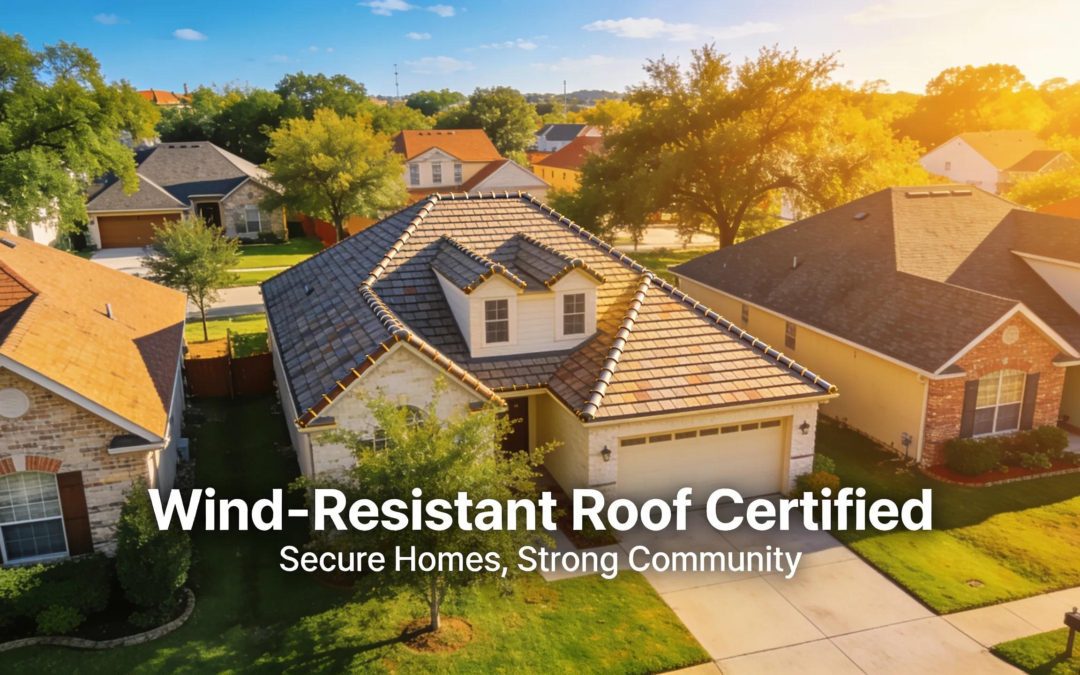
WPI-8 certification is a crucial document that verifies roofs are built to withstand windstorm conditions, particularly in coastal regions like Houston. This certification is mandatory for properties in designated areas to secure **windstorm insurance**, protecting homeowners from financial loss due to storm damage. The WPI-8 ensures that roofs comply with durability standards and are constructed using approved materials, providing peace of mind to homeowners whose properties face severe weather.

What Does the Texas Windstorm Insurance Association Require for Roof Certification?

The Texas Windstorm Insurance Association outlines several key criteria for WPI-8 certification, including:

  1. Materials Used: Roofing materials must be resilient and rated for high winds.
  2. Design Standards: Roof designs must adhere to strict engineering criteria for wind resistance.
  3. Inspection Process: A thorough inspection by a qualified professional is required to ensure compliance with all specifications.

These requirements ensure roofs are capable of enduring the challenges posed by Texas storms.

How Does WPI-8 Certification Impact Windstorm Insurance Coverage in Houston?

Obtaining WPI-8 certification is directly linked to securing windstorm insurance coverage in Houston. Insurers typically require this certification before providing policies to homeowners in high-risk areas. The certification helps homeowners qualify for lower premiums and ensures better coverage terms. By meeting TWIA standards, homeowners can protect against potential financial losses caused by windstorm damage, making WPI-8 certification a significant asset for those living in vulnerable regions.

How to Complete the TWIA WPI-8 Roof Certification Process in Houston?

Successfully obtaining WPI-8 certification involves several steps that ensure compliance with local regulations. The certification process includes not only inspections but also the submission of relevant documentation. Understanding each phase can help streamline the overall certification journey.

What Are the Key Inspection Requirements for WPI-8 Certification in Texas?
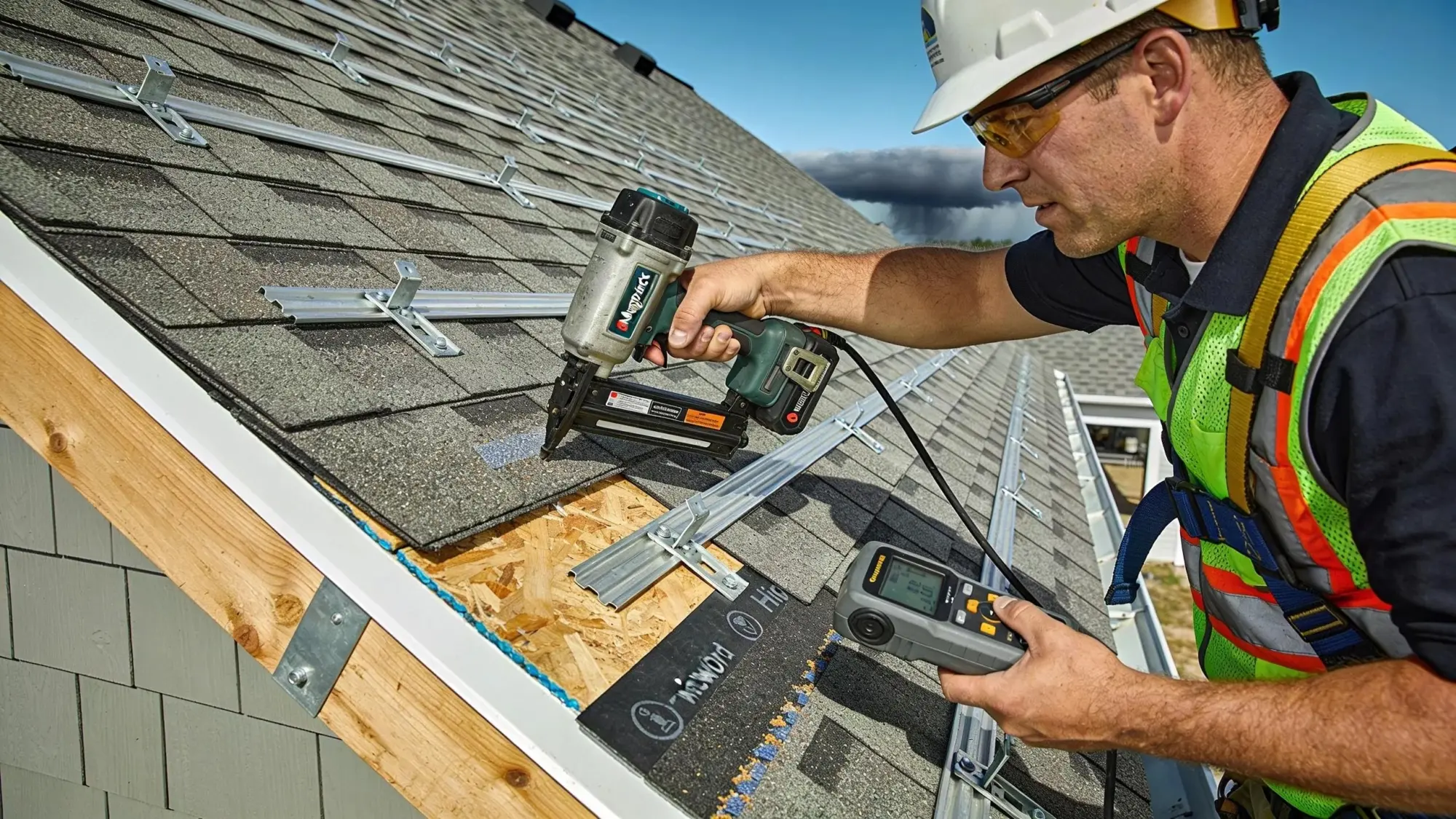
Key inspection requirements for WPI-8 certification in Texas include:

  • Visual and Structural Assessment: Inspectors examine the roof's integrity, ensuring that it meets specified design and construction standards.
  • Material Verification: Confirming that all materials used are TWIA approved and compliant with "windstorm regulations".
  • Documentation Review: Ensuring that all necessary paperwork is submitted correctly and detailing the roof's specifications and materials.

These inspections are critical in establishing that a roof is perfectly equipped to handle severe weather conditions.

Which Documents and Forms Are Needed for WPI-8 Submission?

To complete the WPI-8 submission process, homeowners must prepare several important documents, including:

  • Building Plans: Detailed drawings showcasing the roof structure and materials used.
  • Material Certifications: Proof that roofing materials meet TWIA's standards.
  • Inspection Reports: Documentation from licensed inspectors validating compliance with all requirements.

Having these documents ready can accelerate the certification process and help ensure a smooth approval.

What Roofing Materials and Construction Standards Are Approved for TWIA Certification?

Choosing the right roofing materials is vital for securing WPI-8 certification. TWIA has specific standards that roofing materials must meet to ensure durability and performance against windstorms.

Which Roofing Materials Meet Houston Windstorm Compliance Standards?

Various materials are recognized as compliant under the TWIA guidelines, including:

  • Impact-Resistant Shingles: These materials are designed to withstand severe weather impacts without cracking or breaking.
  • Metal Roofing: Known for its strength and durability, metal sheeting is highly effective against wind uplift.
  • Tile and Slate: Recognized for their longevity and ability to resist wind damage when properly installed.

Opting for these approved materials significantly enhances a roof‘s resistance to wind and rain.

How Do Sustainable and Resilient Roofing Options Affect WPI-8 Approval?

Sustainable and resilient roofing options such as green roofs and solar panels can also meet WPI-8 certification requirements if they are engineered correctly. These materials not only provide energy-saving benefits but also enhance roof durability. By aligning with TWIA guidelines, homeowners can create environmentally friendly solutions that do not compromise safety. Embracing resilient materials can potentially lead to overall efficiency and sustainability in roofing practices while still securing the necessary certifications.

How to Choose and Work With TWIA-Approved Roofing Contractors in Houston?
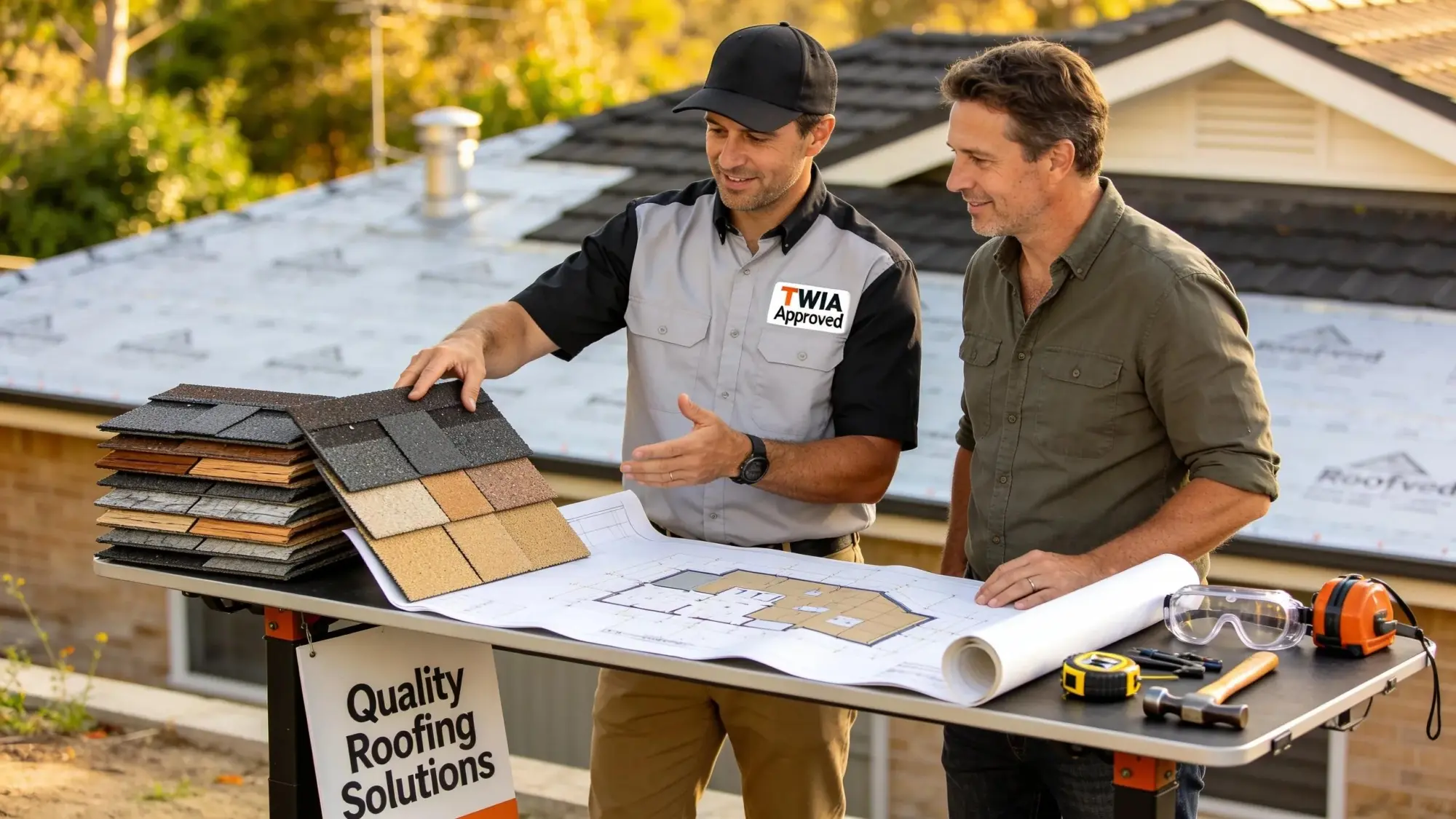
Selecting a reputable roofing contractor who is familiar with TWIA certification requirements is essential for ensuring a smooth certification process. Proper collaboration with qualified professionals can simplify the certification journey.

What Qualifies a Roofing Contractor for TWIA WPI-8 Inspections?

To qualify for WPI-8 inspections, roofing contractors must possess:

  • TWIA Approval: Contractors must have the necessary certifications recognizing them as TWIA-approved.
  • Relevant Experience: They should have a proven track record of completing similar projects in windstorm areas.
  • Proper Licenses and Insurance: Contractors must hold the necessary business licenses and carry sufficient liability insurance.

These credentials are vital for ensuring that the contractor can competently handle inspections and adhere to TWIA standards.

Where to Find Certified Roofing Inspectors and Contractors in Houston?

Homeowners can find certified roofing contractors and inspectors through:

  • TWIA's Official Website: A directory of approved contractors and inspectors is available here.
  • Local Homeowner Recommendations: Seeking referrals from local associations or online community boards can provide valuable insights on reputable professionals.
  • Industry Associations: Membership in industry organizations often signifies a contractor’s commitment to quality and compliance with TWIA standards.

Using these resources helps homeowners connect with professionals who have the right qualifications and experience.

What Are the Most Common WPI-8 Inspection Failures and How to Avoid Them?

Understanding common inspection failures can help homeowners prepare effectively for successful WPI-8 certification. Many issues can lead to failures, and addressing these concerns proactively is essential.

Which Roof Elements Are Frequently Cited During TWIA WPI-8 Inspections?

Frequent inspection failures often involve:

  • Improperly Installed Flashing: Inadequate sealing at joints can lead to leaks and structural vulnerabilities.
  • Inadequate Material Specifications: Using non-compliant materials can lead to immediate rejection during inspections.
  • Neglected Maintenance: Roofs that exhibit wear and tear from lack of maintenance can fail to meet inspection standards.

By recognizing these elements, homeowners can address potential issues before inspections occur.

How to Prepare Houston Roofs to Pass WPI-8 Certification Efforts?

Preparation strategies for passing WPI-8 certification inspections include:

  1. Conducting Pre-Inspections: Hiring a qualified inspector for pre-evaluations can identify potential issues before official inspections begin.
  2. Ensuring Proper Material Selection: Verify that all materials meet TWIA compliance.
  3. Maintaining Regular Roof Care: Routine maintenance, including cleaning and repairs, significantly increases chances of passing inspections.

Implementing these strategies not only prepares roofs for inspections but also enhances their longevity and performance.

How Long Is WPI-8 Certification Valid and How to Renew It for Houston Properties?

Understanding the validity and renewal process of your WPI-8 certification is essential in maintaining compliance with local insurance requirements.

What Is the Validity Period of a TWIA WPI-8 Roof Certification?

WPI-8 roof certifications are typically valid for five years. This duration requires property owners to stay vigilant regarding roof conditions and any necessary inspections. Homeowners should ensure that their roofs remain compliant with current standards to avoid lapses in certification.

What Are the Steps for Renewing or Updating WPI-8 Certification in Houston?

To renew or update WPI-8 certification, homeowners should take the following steps:

  1. Schedule a New Inspection: A qualified inspector must evaluate the roof periodically.
  2. Submit Required Documentation: Just like the initial certification, all relevant documents must be provided during the renewal process.
  3. Address Any Compliance Issues: Homeowners should ensure that any deficiencies noted during inspections are resolved before starting the renewal process.

Following these steps can simplify the renewal experience and guarantee that homes maintain certification, which is essential for keeping insurance coverage valid.

Frequently Asked Questions

What should I do if my roof fails the WPI-8 inspection?

If your roof fails the WPI-8 inspection, it’s important to address the identified issues promptly. Start by reviewing the inspector’s report to understand the specific areas of non-compliance. Engage a qualified roofing contractor to rectify the problems, ensuring all repairs or modifications adhere to TWIA standards. After the necessary adjustments are made, you can schedule a re-inspection to obtain your certification. Regular maintenance checks can also help prevent future issues.

Can I apply for WPI-8 certification myself?

While it’s possible to gather necessary documentation and prepare for the WPI-8 certification application independently, it’s highly advised to work with licensed roofing contractors and inspectors. They have the expertise to ensure that roofing meets all TWIA requirements and can provide accurate documentation. Moreover, their knowledge can be invaluable in navigating complex regulations and improving your chances of successful certification.

How do I verify a contractor's WPI-8 approval?

You can verify a contractor’s TWIA WPI-8 approval status by checking the Texas Windstorm Insurance Association‘s official website, which maintains a list of certified professionals. Additionally, ask contractors for their certification number and relevant documentation during consultations. This verification is crucial, as working with a qualified, approved contractor is essential for meeting TWIA standards and ensuring compliance with inspection processes.

What are the potential penalties for not obtaining WPI-8 certification?

Failing to obtain WPI-8 certification when required could impact your ability to secure windstorm insurance, leaving your property financially vulnerable in the event of storm damage. Additionally, without proper certification, you may face compliance issues with local building codes, which could result in fines or refusal of claims by insurers. It is vital to prioritize obtaining and maintaining WPI-8 certification to protect your investment.

What are common myths about WPI-8 certification?

Common myths about WPI-8 certification include the belief that all roofs automatically qualify, regardless of materials, or that once certified, no further maintenance is necessary. In reality, certification requires specific materials and compliance with strict standards. Furthermore, certification is valid for only five years, necessitating regular inspections and possible updates to maintain compliance.

How can I ensure my roof complies with the latest TWIA standards?

To ensure your roof complies with the latest TWIA standards, stay informed about any updates or changes by visiting the TWIA website regularly. Work closely with certified roofing contractors who are knowledgeable about current requirements. Conduct routine inspections and maintenance to promptly address wear and damages. Also, consider using the latest materials that meet or exceed TWIA guidelines for optimal performance against windstorms.