My Website

Managing “roof replacements” for multi-family properties and HOAs in Houston requires a strategic approach due to the unique challenges this market presents. Property managers must understand the nuances of contractor selection, budgeting, regulatory compliance, and effective project management. This guide aims to provide comprehensive insights into these critical aspects, empowering property managers to ensure successful roof replacement projects. As the Houston climate can impact construction processes and materials, knowing how to navigate these factors is essential for maintaining property value and resident satisfaction. The following sections will cover how to select suitable contractors, typical costs associated with roof replacements, inspection schedules, compliance requirements, project management strategies, and the best material options for Houston’s distinct weather conditions.

How to Select Houston Multifamily Roofing Contractors for Your HOA Roof Replacement

Choosing the right roofing contractor for multi-family and HOA properties is essential to ensure the quality and longevity of a roof replacement project. When selecting contractors, property managers should consider various criteria, including local expertise, licensing, and the contractor’s track record. A well-chosen contractor not only meets the immediate needs but can also offer long-term benefits through quality work and reliable service.

What Credentials and Licensing Should Houston Roofing Contractors Have?

When engaging roofing contractors in Houston, it’s crucial to verify their credentials and licenses. Contractors should hold a valid Texas roofing contractor license, which signifies compliance with state regulations and standards. Additionally, they should have appropriate insurance coverage to protect against potential liabilities during the project. Manufacturer certifications are also important, as they indicate that the contractor has received training and authorization to install specific roofing materials and technologies, ensuring quality and serviceability.

How to Compare Contractor Services and Reviews Effectively

Evaluating contractor services involves establishing clear comparisons based on several key factors. Property managers should evaluate contractors based on their previous work portfolios and customer reviews. Reliable review sources, such as independent review sites and word-of-mouth recommendations, serve as valuable tools for assessing a contractor’s reputation. Consideration of customer feedback interpretation can highlight potential pitfalls and strengths, guiding property managers toward making informed decisions.

What Are the Typical HOA Roof Replacement Costs in Houston?

Understanding the typical costs associated with roofing replacements for HOAs in Houston is vital for budgetary planning. Factors such as materials used, labor costs, and the complexity of the project play significant roles in determining overall expenses. On average, property managers can expect “roof replacement costs” to vary based on these elements, making it essential to conduct thorough market research and potentially consult with local contractors to obtain accurate estimates.

Which Roofing Materials Impact Houston Multi-Family Roof Replacement Costs?

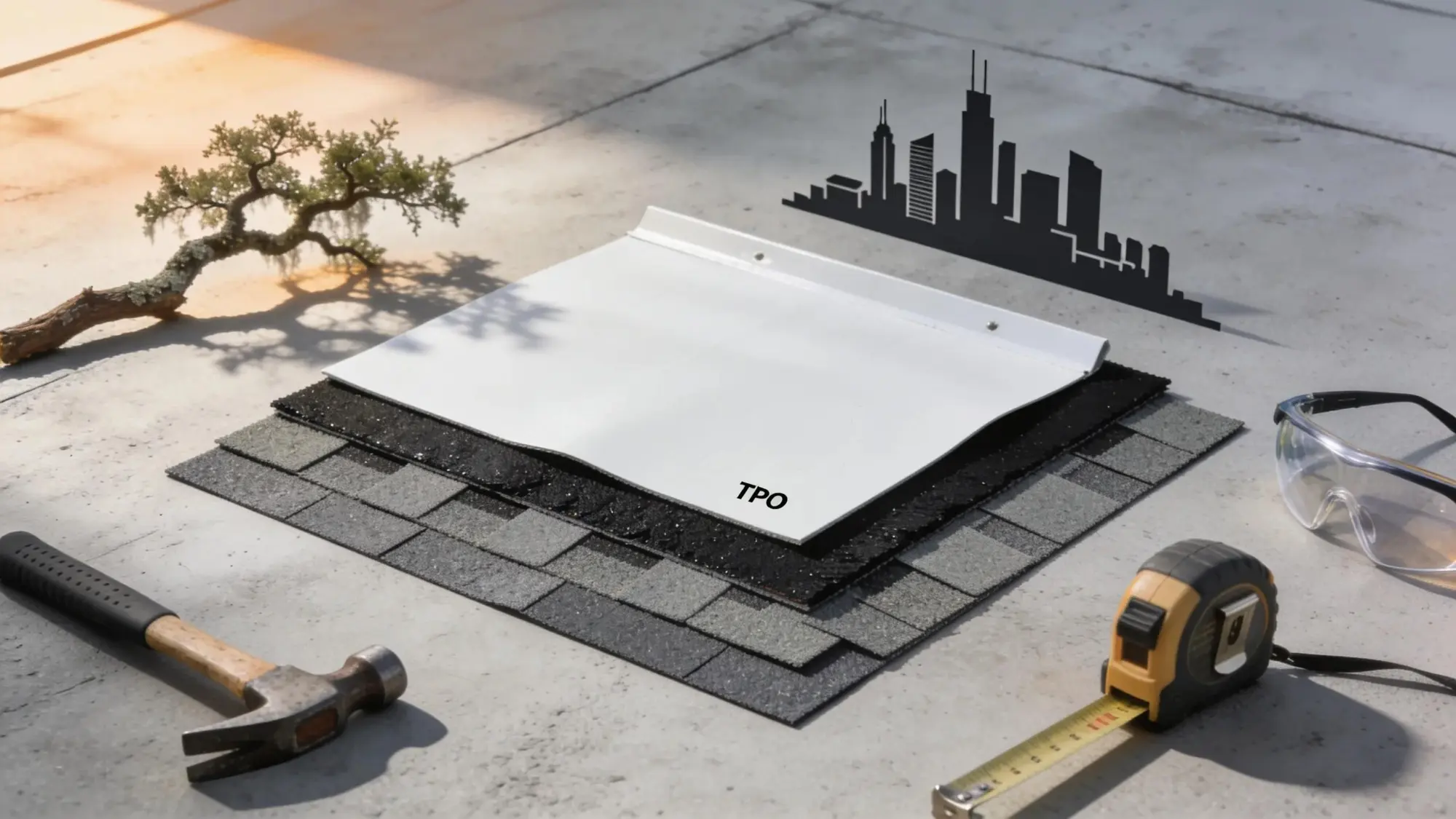
In Houston, the choice of roofing materials significantly influences replacement costs. Common materials include asphalt shingles, metal roofing, and TPO (Thermoplastic Olefin) membranes. Each material has distinct durability, aesthetic appeal, and price points that should be weighed against the specific needs of the property and environmental considerations. For instance, metal roofing offers excellent longevity and resistance to Houston’s humid climate, whereas traditional asphalt shingles may present lower initial costs but have a shorter lifespan compared to other options.

How Does Houston Climate Affect Roof Replacement Budgets?

Houston’s climate, characterized by its heat and humidity, necessitates careful budgeting for roofing projects. Factors like prolonged heat exposure can affect material longevity and the frequency of required maintenance. Consequently, property managers may need to allocate additional funds for more resilient materials or frequent inspections and repairs to mitigate potential damages caused by the climate. Incorporating climate considerations into the budgeting process helps ensure that the chosen roofing solution will withstand local weather patterns over time.

How to Conduct Commercial Roof Inspections for Multi-Family Properties in Houston

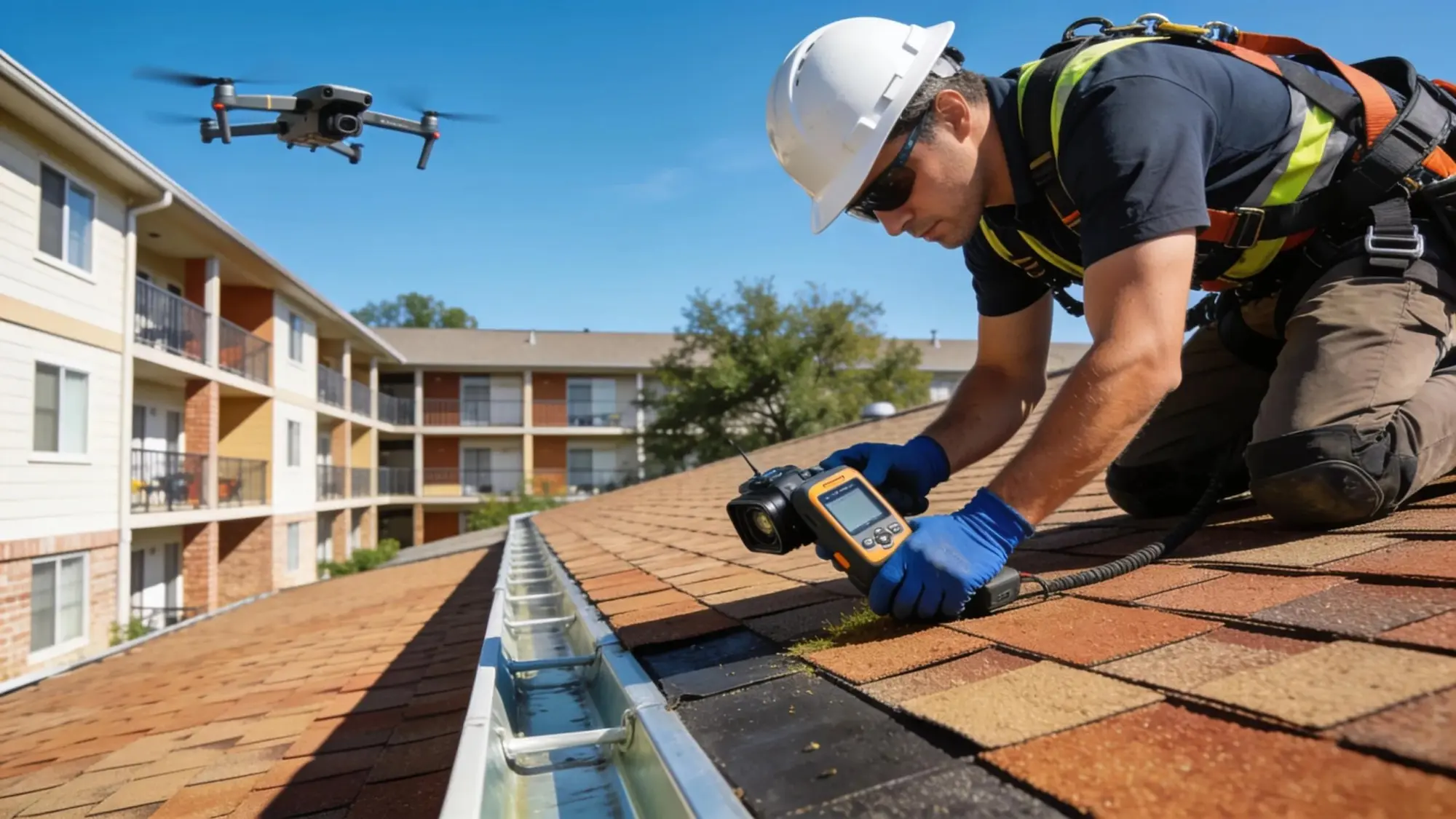
Regular commercial roof inspections Houston property managers schedule form the foundation of effective maintenance strategies for multi-family properties. Property managers should engage in comprehensive evaluation protocols to identify potential issues before they escalate into costly repairs. The inspection process typically includes assessing for wear and tear, checking for potential leaks, and examining the condition of flashing and drainage systems.

What Are the Key Project Phases in Multi-Family Roof Replacement Management?

Several critical phases exist in managing a roof replacement project. Initially, project planning involves defining scope, budget, and timelines, which sets the stage for successful execution. Subsequently, contractor selection and material procurement are carried out, ensuring that the right resources are in place. During the project, regular communication between property managers and contractors is essential to maintain transparency and address any arising issues.

When to Schedule Roof Inspections and Maintenance for Houston HOAs?

The frequency of inspections and maintenance for roofs in Houston should be determined by environmental factors and property usage. It’s advisable to conduct detailed inspections before and after hurricane seasons to ensure roofs can withstand extreme weather implications. Regular “semi-annual inspections” can also help identify slow-developing issues before they lead to major problems, thereby extending the lifespan of the roofing system.

What Are Essential HOA Roofing Regulations and Compliance Requirements in Texas?

Navigating roofing regulations and compliance is an inherent task for property managers. In Texas, HOAs have specific roofing guidelines that must be adhered to, ensuring community aesthetics and safety compliance. Understanding local ordinances, zoning laws, and HOA-specific guidelines is crucial for property managers to avoid penalties and ensure that roofing replacements are compliant with community standards.

How Do Houston HOA Authorities Require Roof Replacement Compliance?

HOA authorities in Houston require property managers to adhere to strict compliance procedures during roof replacements. This includes obtaining necessary permits, following local building codes, and ensuring that chosen materials fit within the community’s aesthetic guidelines. Staying informed of any changes in regulations is necessary for compliance and to maintain positive relations with HOA boards and residents.

What Common HOA Roofing Restrictions Affect Multi-Family Projects?

It is common for HOA guidelines to impose restrictions on materials, color schemes, and designs for roofing projects. Property managers must thoroughly review these restrictions to ensure that the planned replacements align with HOA expectations. Understanding these limitations helps mitigate potential conflicts and ensures a streamlined replacement process.

How to Manage Roof Replacement Projects Efficiently for Houston Multi-Family and HOA Properties

Managing roof replacement projects efficiently involves clear communication, strategic planning, and monitoring project milestones. Property managers should work closely with contractors to establish project timelines and expectations, ensuring that work schedules align with resident needs and community requirements.

What Step-by-Step Planning Guides Enhance Roofing Project Success?

Utilizing step-by-step planning guides aids property managers in monitoring project progress effectively. These guides typically outline stages from initial assessments and contractor selection through subcontractor management and final inspections. Clear documentation and checkpoints allow for the early identification of delays or issues, supporting timely resolutions and overall project success.

How Do Warranties and Maintenance Best Practices Extend Roof Lifespan?

Implementation of warranties and comprehensive maintenance practices can significantly extend the lifespan of roofing systems. Property managers should ensure that contractors provide adequate warranties, covering workmanship and materials. Regular maintenance checks, along with adherence to manufacturer’s maintenance guidelines, help preserve the integrity of roofs in a climate like Houston’s, ultimately leading to reduced long-term costs.

What Are Best Roofing Material Options for Houston’s Climate and Multi-Family Needs?

Selecting the best roofing material for Houston’s climate involves evaluating each option’s performance against weather expectations. Certain materials, tailored to withstand high humidity and temperature variations, may provide the most cost-effective solutions for multi-family housing.

How Do TPO, EPDM, and Modified Bitumen Perform in Houston Weather?

TPO roofing Houston property managers rely on, along with EPDM (Ethylene Propylene Diene Monomer) and modified bitumen, are three popular roofing systems that perform well in Houston’s challenging climate.

  • TPO: Known for its reflecting capabilities, TPO is energy-efficient and well-suited for hot weather, reducing cooling costs for building occupants.
  • EPDM: Recognized for its durability, EPDM is ideal for flat roofs and offers excellent resistance against punctures and UV damage.
  • Modified Bitumen: This material possesses flexibility and toughness, combining advantages of asphalt and single-ply membranes. Its performance in humid conditions makes it a viable choice for many commercial applications.

What Are Energy-Efficient and Reflective Roofing Technologies for Houston HOAs?

Energy-efficient roofing technologies, such as reflective coatings and cool roofs, play a significant role in reducing energy consumption in multi-family properties. These innovations help mitigate heat absorption, leading to lower cooling costs and improved comfort for residents. Effective energy-efficient options offer long-term savings while benefiting environmental sustainability—a crucial factor in modern construction practices.

Frequently Asked Questions

What are the signs that a roof needs replacement?

Common signs that a roof may need replacement include visible sagging, cracks, or missing shingles. Water stains on ceilings or walls signify leaks that require immediate attention. If the roof has reached the end of its expected lifespan—typically 20-25 years for standard roofing—replacement should be considered. Additionally, extensive wear from severe weather, such as hail or strong winds, can compromise the roof’s structural integrity, making it essential to reassess its condition.

How often should roofs in Houston be inspected?

Roofs in Houston should ideally be inspected at least twice a year, particularly before and after the hurricane season. Regular inspections help to catch minor issues before they escalate into major repairs. Consider additional inspections after heavy storms or extreme weather events, as these conditions can cause hidden damage. A proactive maintenance schedule significantly extends the roof’s lifespan and helps ensure it remains watertight and structurally sound.

What is the process for filing a warranty claim on roofing work?

To file a warranty claim on roofing work, start by reviewing the warranty documentation to understand coverage limitations and procedures. Generally, property managers need to gather relevant documentation, including receipts, contracts, and photos of the damage. After compiling the necessary information, contact the contractor or roofing material manufacturer to initiate the claim process. It’s important to act promptly, as many warranties have time limits for filing claims after noticing a defect.

What role does insurance play in roof replacement for HOAs?

Insurance plays a critical role in roof replacement for HOAs, as it can cover the costs of damage resulting from unforeseen events like storms or roof collapse. Property managers should ensure adequate coverage, including liability and materials replacement insurance. Understanding policy details will clarify coverage limits and deductible requirements, preventing unexpected expenses. Collaborating with an insurance agent can help HOAs navigate claims efficiently and ensure they are prepared for any necessary roof repairs.

What environmental factors should be considered in roof material selection?

When selecting roofing materials, it is essential to consider environmental factors such as local climate, temperature fluctuations, humidity levels, and typical weather patterns. In humid climates like Houston, materials that resist mold and algae growth, as well as those designed to withstand ultraviolet rays, are crucial. Additionally, energy efficiency can be improved by choosing reflective materials that reduce heat absorption, ultimately lowering cooling costs and enhancing building performance over time.

Are there any grants or financial assistance for roof replacement in Houston?

Yes, there are various grants and financial assistance programs available for roof replacements in Houston, often aimed at helping low-income families or dilapidated properties. Programs through local government agencies or nonprofit organizations may provide financial aid for necessary improvements. It is advisable for property managers to research options such as HUD grants or state-funded assistance programs dedicated to housing repairs. Consulting with local housing authorities can streamline the identification of available resources.

How can effective communication improve roofing project outcomes?

Effective communication is vital in ensuring roofing project success, as it fosters transparency and collaboration among property managers, contractors, and stakeholders. Regular updates and meetings enable timely discussions on project status, problem resolution, and budget tracking. Clear expectations and guidelines can prevent misunderstandings and delays. Utilizing project management tools to streamline communication can further enhance coordination, ensuring that all parties remain aligned on project goals and timelines throughout the replacement process.