Navigating the “roofing regulations” set forth by Houston’s Homeowners Associations (HOAs) within master-planned communities can be a complicated process for homeowners. These regulations are essential as they ensure uniformity and compliance with community standards, contributing to the overall aesthetics and safety of neighborhoods. This comprehensive guide provides a clear understanding of the HOA roofing rules, streamlining the compliance and approval process for homeowners looking to make roofing decisions that align with their community guidelines.
Readers will discover the specific compliance requirements and approval processes that need to be followed when undertaking roofing projects in Houston. From the documentation needed to the role of the Architectural Review Committee, this guide covers everything homeowners must know. Homeowners will also learn about suitable roofing materials and how to maintain compliance to avoid common pitfalls. This article serves as an invaluable resource for anyone looking to ensure their roofing decisions are compliant with established HOA standards.
Homeowners must adhere to several compliance requirements when dealing with roofing projects in Houston’s master-planned communities. These requirements typically include adherence to local building codes and submission of necessary documentation to the HOA. Essential documents may involve an application that outlines the proposed roofing materials and styles to ensure they align with community standards.
Documentation requirements often specify the need for detailed plans and designs that reflect the aesthetic values of the community. Additionally, homeowners should initiate an “inspection request” as part of the compliance process to ensure that all aspects of the roofing project adhere to local regulations and HOA stipulations.
Understanding the legal framework behind these requirements is vital for homeowners, as it clarifies why associations hold the authority to enforce specific property restrictions.
Legal Authority of Houston HOAs to Enforce Roofing Restrictions
association is also a proper party where the deed restrictions expressly authorize the association to enforce the restrictions
Land use controls in Houston: what protection for owners of restricted property, A Henderson, 1987
The approval process for roofing projects within Houston’s HOAs follows specific steps that homeowners must navigate. Initially, the review of deed restrictions specific to the community is crucial, as these documents outline what is permissible regarding roofing styles and materials.
Once the homeowner has reviewed the deed restrictions, they need to submit a formal application to the HOA. Following submission, it is important to maintain communication with the HOA to confirm receipt and address any follow-up questions that may arise during the approval process.
Key Considerations for Homeowners
When considering a roofing project, homeowners must weigh several key points to ensure they remain compliant with HOA regulations. First and foremost are material choices; selecting the right roofing materials that align with community aesthetics is vital. Homeowners should also familiarize themselves with common violations associated with roofing projects to avoid penalties.
Proactive management of the roofing project can greatly ease the approval process. This includes having all necessary documentation ready and preparing for potential inquiries from the HOA. Homeowners might also consider reaching out to local contractors who are familiar with the HOA guidelines to facilitate the process.
For homeowners looking to comply with HOA roofing rules, exploring “professional services” for roofing and remodeling can be beneficial. These services can assist with understanding the regulations more thoroughly and ensuring that the chosen materials meet compliance guidelines.
Key Considerations for Associations
HOAs play a critical role in managing roofing issues within their communities. Providing clear guidelines is essential for both homeowners and the association to ensure that all roofing projects maintain community standards.
Enforcement of roofing rules and regulations is another significant responsibility of the HOA. They must ensure that projects align with the approved plans and intervene when violations occur. Support resources, including designated points of contact within the HOA, can help homeowners navigate compliance issues effectively.
Homeowners can find numerous resources and support regarding HOA roofing regulations. Local HOA offices often have staff available to clarify guidelines and requirements.
City planning departments also provide insight into building codes and permit processes, which can be essential when planning roofing projects. Furthermore, online forums can serve as knowledge-sharing platforms where homeowners can seek advice and learn from the experiences of others in similar situations.
What Are Houston Master-Planned Community HOA Roofing Rules and Guidelines?
HOA roofing rules in Houston’s master-planned communities encompass various guidelines designed to maintain a cohesive look within neighborhoods. These rules often include stipulations regarding approved roofing materials, styles, and colors.
Importantly, the purpose of these rules is to ensure that all homes contribute to the aesthetic cohesion and property values within the community. Understanding these guidelines is essential for any homeowner considering roofing renovations, as non-compliance can lead to penalties and required modifications.
How Does Houston Enforce Roofing Compliance in HOAs?
Houston enforces roofing compliance through regular inspections and a clear set of guidelines that homeowners are expected to follow. The frequency of these inspections can vary; however, many HOAs conduct assessments prior to any significant roofing work commencing, as well as follow-up evaluations upon completion to ensure compliance.
Penalties for non-compliance can include fines, mandated removal of non-conforming materials, or even legal action in extreme cases. Homeowners should understand these enforcement mechanisms to avoid repercussions.
What Role Does the HOA Architectural Review Committee Play in Roof Approvals?
The Architectural Review Committee (ARC) within an HOA plays a pivotal role in the roof approval process. This committee is responsible for reviewing applications submitted by homeowners and ensuring that proposed roofing projects adhere to the established guidelines.
Key criteria that the ARC considers during the review include the style and materials utilized, as well as how the proposed roofing aligns with the aesthetic integrity of the community. A thorough understanding of the committee’s role can assist homeowners in preparing their submissions more effectively.
Which Roofing Materials and Styles Are Approved by Houston HOAs?
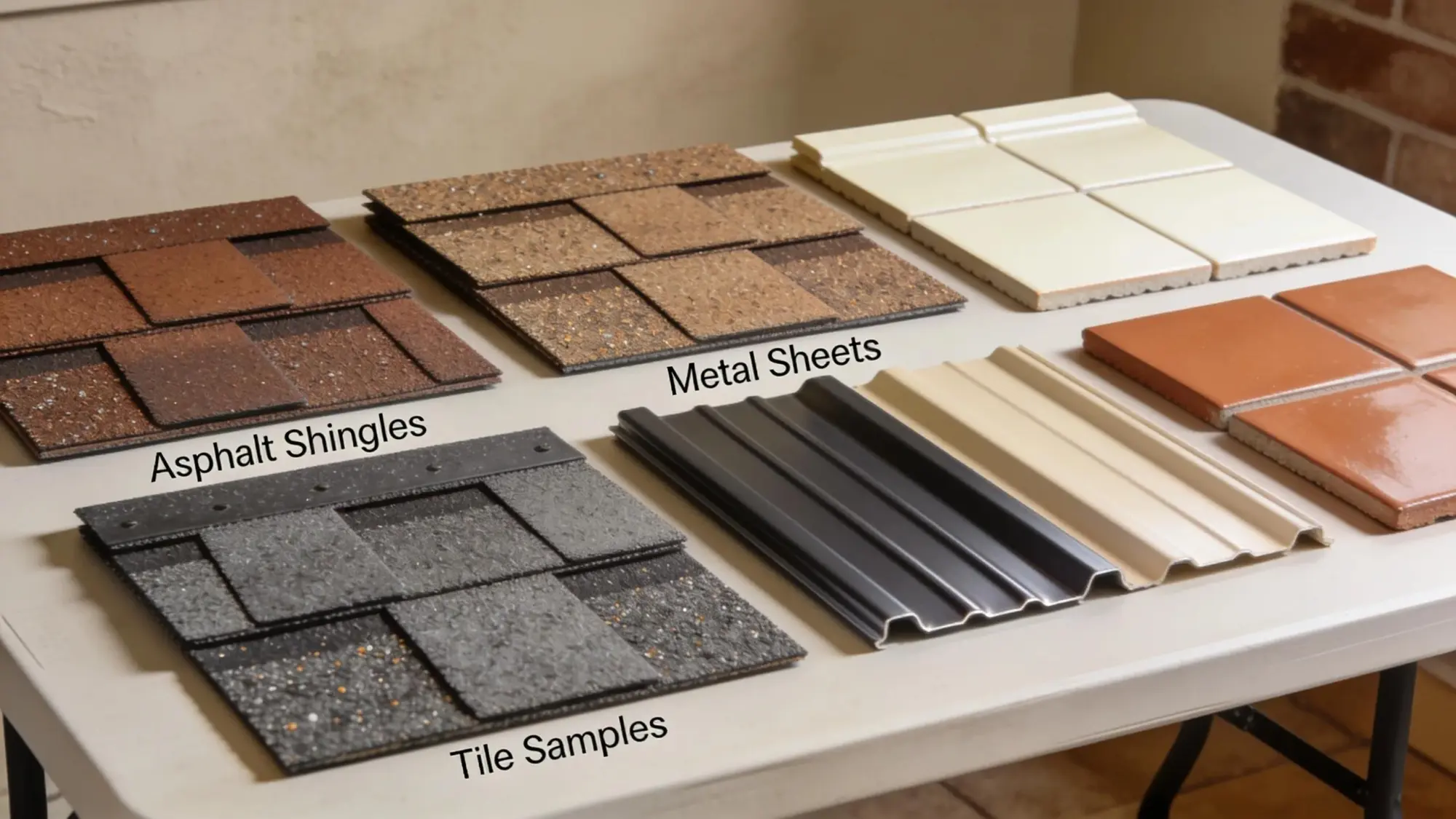
Houston’s HOAs approve specific types of roofing materials and styles that align with their community standards. Commonly acceptable materials may include asphalt shingles, metal roofs, and tile. Each of these materials can vary in their aesthetic appeal and durability, making it crucial for homeowners to select options that fit both their budget and community guidelines.
Aesthetics considerations are also essential; homeowners should ensure that the roofing style complements the overall character of the neighborhood. It is advisable for homeowners to verify the community’s approved materials list before making any purchases to avoid compliance issues.
What Roof Types and Materials Are Compliant in Houston Master-Planned Communities?
This table illustrates common roofing types and their corresponding materials, reinforcing the importance of selecting compliant options.
How Are Material Approval Status and Warranty Periods Determined?
The process for determining the approval status and warranty periods of roofing materials typically involves comprehensive documentation submitted by the homeowner. This includes product specifications, installation details, and warranty statements.
Contractors play a significant role too, as their selection can impact material approval status—some HOAs require that projects be performed by licensed contractors experienced with their guidelines. Understanding these criteria can prevent delays in the approval process.
What Is the Step-by-Step Roof Replacement and Approval Process for Houston HOAs?
The roof replacement process within Houston’s HOAs requires careful adherence to several stages. Initially, homeowners need to prepare all necessary documentation and submit their applications well in advance of the proposed work start date.
Once the application is submitted, homeowners should expect communication from the HOA regarding any questions or potential amendments needed before approval. After the approval, homeowners will be instructed about scheduling inspections during the roofing project.
How Do Homeowners Submit Roof Replacement Requests to the HOA?
Submitting roof replacement requests typically involves filling out an application form and providing detailed information about the proposed materials and work. Homeowners must ensure that all components of the request are complete and accurate to avoid delays.
Clear communication with the HOA is essential during this process, as it offers the homeowner opportunities to address any concerns the ARC may have about the project. Proper documentation can facilitate a smoother approval process.
What Are the Key Steps in HOA Roof Approval and Inspection Workflows?
- Application Submission: Homeowners must submit a detailed application with all necessary documentation.
- Review Process: The ARC reviews the application to ensure compliance with community guidelines.
- Inspections: Inspections are conducted at various stages of the roofing project to verify compliance.
These steps highlight the importance of meticulous planning and coordination with the HOA to ensure a successful roof replacement experience.
How Should Houston Master-Planned Community Roofs Be Maintained and Inspected?
Regular maintenance and inspections are crucial for keeping roofs in compliance with HOA regulations and ensuring long-term durability. Homeowners should establish a routine maintenance schedule that includes inspecting for damages, cleaning gutters, and removing debris.
Documentation of maintenance activities may be required by the HOA to prove compliance. Implementing a structured maintenance plan can prevent issues and verify adherence to HOA standards.
What Maintenance Standards Must Homeowners Follow Under HOA Rules?
- Routine Inspections: Conducting regular inspections for wear and tear.
- Cleaning Requirements: Ensuring that roofs and gutters are properly maintained.
- Maintenance Documentation: Keeping records of all maintenance performed may be necessary for HOA verification.
Fulfilling these requirements ensures that roofs remain compliant with community standards, thus protecting the homeowner’s investment.
When and How Are Roof Inspections Conducted by HOAs or Contractors?
Roof inspections are typically conducted by the HOA or licensed contractors at various stages of the roofing project. These inspections serve to confirm compliance with established guidelines and are important checkpoints for homeowners.
Schedule these inspections in advance to coordinate with contractors effectively. Homeowners should be prepared to address any findings and provide the necessary documentation as required during these evaluations.
What Are Common HOA Roofing Compliance Issues and How Can They Be Resolved?
Homeowners often face several compliance issues related to roofing projects, leading to penalties or necessary modifications. Common issues include using unauthorized materials, failing to obtain prior approval, or neglecting to meet maintenance standards.
Understanding these challenges allows homeowners to proactively address potential issues with their roofing projects. Familiarizing oneself with the community’s requirements and processes can significantly mitigate the risk of violations.
Which Violations Lead to Penalties Under Houston HOA Roofing Rules?
- Unauthorized Material Use: Installing roofing materials not approved by the HOA.
- Project Delays: Failing to adhere to timelines outlined in the project proposals.
- Inadequate Maintenance: Neglecting required maintenance duties.
Recognizing these violations is crucial for homeowners to navigate their projects according to their HOA’s established framework.
How Can Homeowners Address Roof Compliance Disputes Effectively?
Addressing roof compliance disputes often requires a respectful communication strategy with the HOA. Homeowners should begin by reviewing the applicable guidelines, ensuring their actions align with the community’s stance.
Effective strategies may include:
- Documentation: Having a clear record of all communication with HOA representatives.
- Open Communication: Engaging in direct discussions with the HOA to clarify discrepancies.
- Seeking Mediation: Utilizing mediation services when disputes escalate can help reach a resolution.
Employing these strategies can facilitate a more amicable resolution when facing compliance disputes.
What Are the Latest 2024–2026 Updates and Trends in Houston HOA Roofing Standards?
Staying informed about the latest updates and trends in roofing standards is essential for homeowners involved in remodeling or roofing projects. Recent updates in HOA guidelines can impact material choices and project approvals, reflecting evolving architectural trends.
Moreover, homeowner engagement in community discussions can provide insight into how collective decisions shape HOA policies. Being aware of these trends helps homeowners make informed decisions regarding their roofing activities.
How Have Houston HOA Roofing Guidelines Changed Recently?
Recent changes to Houston’s HOA roofing guidelines reflect a growing emphasis on sustainability and energy efficiency. Homeowners might find that roofing materials that align with these principles are increasingly favored in approvals.
Keeping up-to-date with these changes informs homeowners of available options that not only meet regulatory standards but also contribute positively to environmental initiatives within their communities.
What Industry Statistics and Case Studies Highlight Effective Roofing Compliance?
Understanding the statistics surrounding roofing compliance can guide homeowners in making informed choices. For instance, case studies show that communities that emphasize stringent roofing compliance measures often experience increased property values and enhanced community appeal.
Exploring key data and real-world examples can reinforce the importance of adhering to HOA regulations as part of broader community strategies, ultimately benefiting all homeowners involved.
Frequently Asked Questions
What are the potential consequences for failing to comply with HOA roofing regulations?
Failing to comply with HOA roofing regulations can lead to a variety of consequences for homeowners. These may include financial penalties such as fines or forced removal of non-compliant roofing materials. Homeowners may also face increased scrutiny from their HOA regarding future projects, making the approval process more complicated. In extreme cases, persistent violations might even result in legal action taken by the HOA to enforce compliance. Therefore, understanding and adhering to the regulations is crucial to avoid these repercussions.
How can homeowners find out about approved roofing materials for their specific HOA?
Homeowners can find out about approved roofing materials by referring directly to their HOA‘s guidelines, which are usually outlined in governing documents such as bylaws, design guidelines, or community covenants. Many HOAs also have a designated point of contact, such as an architectural review committee member, who can provide information. Additionally, reaching out to neighboring homeowners who have recently completed roofing projects can offer insights into commonly accepted materials. This proactive approach helps ensure compliance and aesthetic alignment with community standards.
Are there any exceptions or variances available for roofing compliance issues?
Yes, many HOAs allow for exceptions or variances regarding roofing compliance under certain conditions. Homeowners facing unique situations may request a variance by submitting a detailed application to the HOA explaining their circumstances and why they are seeking an exception. Factors considered may include environmental concerns, structural requirements, or material availability. Each HOA has its own process for handling these requests, so it’s essential for homeowners to follow the required procedures to increase their chances of approval.
How often should homeowners conduct roof inspections to meet HOA requirements?
Homeowners should conduct roof inspections at least once a year, or more frequently if their roofs are exposed to severe weather conditions. Regular inspections help identify any issues such as leaks, damage, or wear that may violate HOA regulations. Additionally, maintaining a detailed record of inspections can be crucial if the HOA requires proof of upkeep. Following this routine ensures that roofs remain in good condition and compliant with community standards, ultimately protecting the homeowner’s investment.
What steps should homeowners take if they receive a compliance violation notice?
If homeowners receive a compliance violation notice, it’s important to address the issue promptly to avoid further penalties. First, they should carefully review the notice to understand the specific violation. Next, homeowners should gather any necessary documentation, such as proof of compliance or maintenance records, and communicate directly with their HOA to discuss the violation. Open dialog and cooperation can help clarify misunderstandings or provide solutions that satisfy both the homeowner and the HOA.
Can homeowners appeal a roofing violation decision made by the HOA?
Yes, homeowners can appeal a roofing violation decision made by the HOA, typically through a formal process outlined in the community’s governing documents. This often involves submitting a written request for appeal, detailing the reasons for the appeal and any supporting evidence. Many HOAs have specific timelines and procedures for filing appeals, so homeowners should ensure they follow these closely. Engaging in the appeal process can provide an opportunity to clarify misunderstandings and seek a favorable outcome regarding compliance issues.
What resources are available to help homeowners understand their rights and responsibilities regarding roofing regulations?
Homeowners can access several resources to understand their rights and responsibilities regarding roofing regulations. Community associations often offer online resources, workshops, and informational brochures that outline compliance requirements. Additionally, local government websites may provide insights into building codes and regulations. Homeowners may also benefit from consulting with legal professionals specializing in real estate and HOA laws to clarify complex issues. Engaging with neighbors and community forums can further enhance understanding of shared experiences and solutions pertaining to roofing regulations.