My Website

In Houston‘s humid climate, effective “attic ventilation” is crucial to prevent mold growth and maintain energy efficiency. Homeowners often face the dilemma of choosing between ridge vents and solar attic fans, each having its unique benefits and operational mechanisms. By understanding how these ventilation systems work and their impact on energy savings and mold prevention, you can make an informed decision for your home. This article explores the effectiveness of both systems, their energy efficiency, and their overall capacity to inhibit mold growth in typical Houston homes.

We will discuss the detailed functions of ridge vents, the innovative approach of solar attic fans, and how each option aligns with the specific challenges posed by Houston‘s climate conditions. Additionally, we’ll provide insights on installation costs, return on investment, and essential maintenance steps to ensure your chosen system provides long-lasting benefits.

Effectiveness:

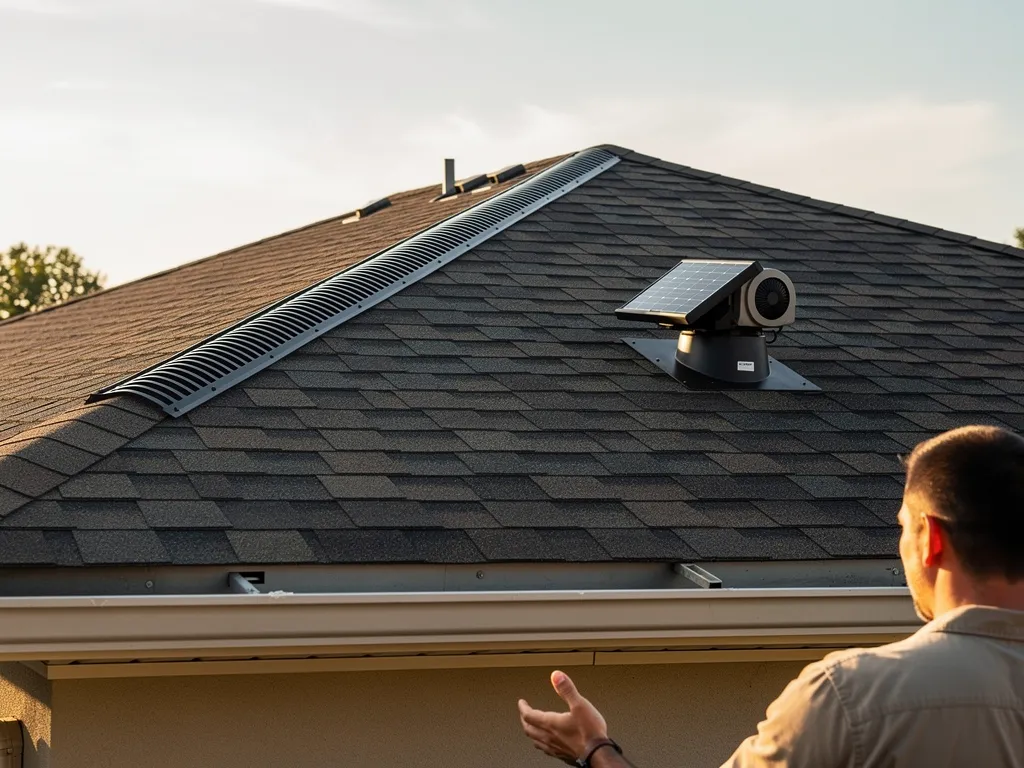
Both ridge vents and solar attic fans are designed to enhance attic ventilation, but they operate through different mechanisms. Ridge vents utilize a passive ventilation system that allows hot air to escape from the top of the attic, thus creating a natural airflow that pulls fresh air in through soffit vents. This method relies on the natural buoyancy of warm air rising and exiting the roof apex.

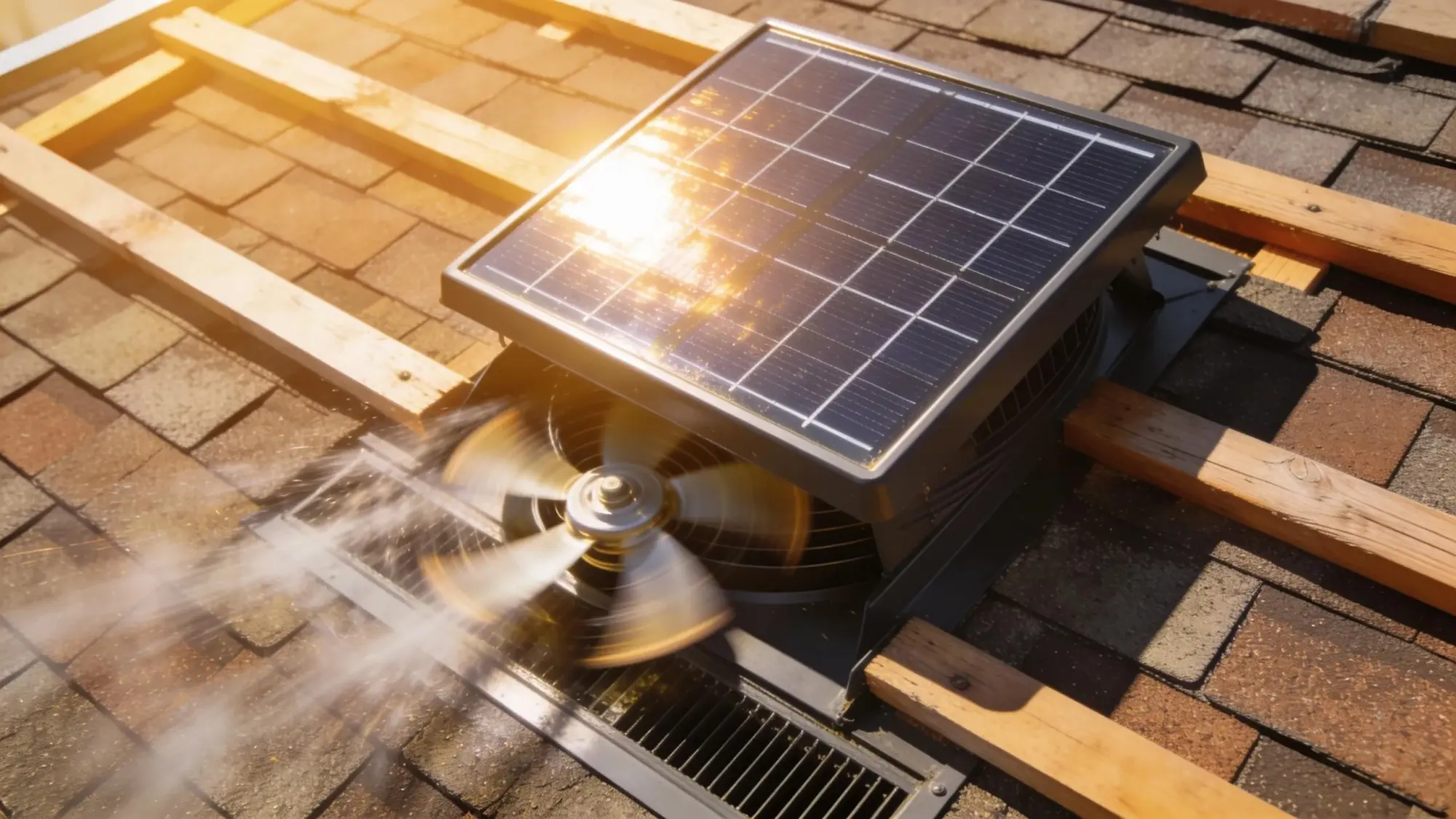
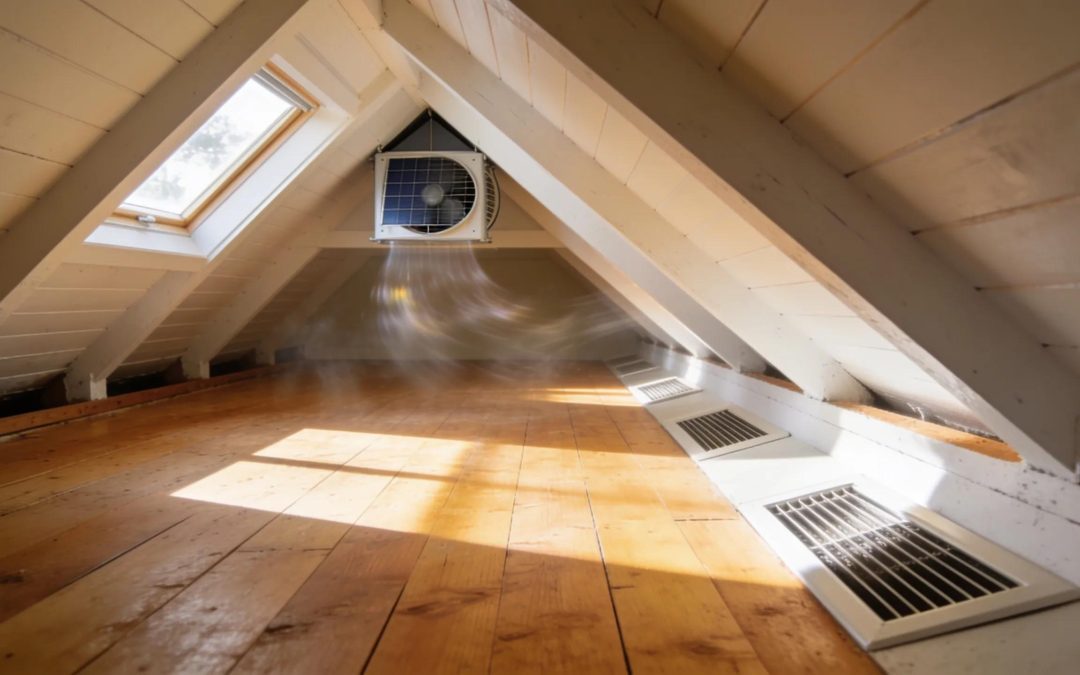
Conversely, solar attic fans work actively by using solar energy to power a fan that actively pulls hot air out of the attic space. This allows for increased airflow and can be particularly effective during the hottest parts of the day. By mechanically elevating the air exchange rate in the attic, “solar attic fans” can reduce heat buildup more efficiently compared to passive systems.

The efficacy of each option can vary based on your home’s specific circumstances, including roof design and local climate patterns.

Energy Efficiency:

Choosing an energy efficient attic ventilation system is a significant consideration since it directly impacts electricity costs and overall home performance. While ridge vents utilize a passive system and require no electricity to operate, solar attic fans run on solar power, effectively minimizing energy expenses.

What Are the Energy Efficiency Benefits of Ridge Vents?

Ridge vents provide numerous energy efficiency advantages:

  1. Zero Energy Usage: They function without electricity, thereby eliminating any operational costs.
  2. Integration with Soffit Vents: Together, they create a balanced airflow, enhancing the overall effectiveness of your ventilation system.
  3. Impact on Energy Bills: Proper ventilation can lower cooling costs by reducing heat buildup in the attic, improving home comfort.

On the other hand, while ridge vents provide a no-cost solution, the introduction of solar attic fans adds value by offering more control over attic temperatures during peak sun hours.

To illustrate the energy efficiency of both systems, we can compare their operational metrics.

The choice between these two systems ultimately depends on whether homeowners prioritize a passive versus an active ventilation approach. Research into residential ventilation performance helps clarify the relationship between airflow, energy consumption, and moisture mitigation in attics.

Impact of Attic Ventilation on Energy Use and Moisture Control The Florida Department of Community Affairs (DCA) is seeking to examine the impact and necessity of residential attic ventilation in Florida homes. Here, we provide technical support by examining existing data sources on the impacts of attic ventilation both on cooling and heating energy use as well as to attic and home moisture levels. Literature Review of the Impact and Need for Attic Ventilation in Florida Homes, 2005

Overall Impact on Preventing Mold Growth:
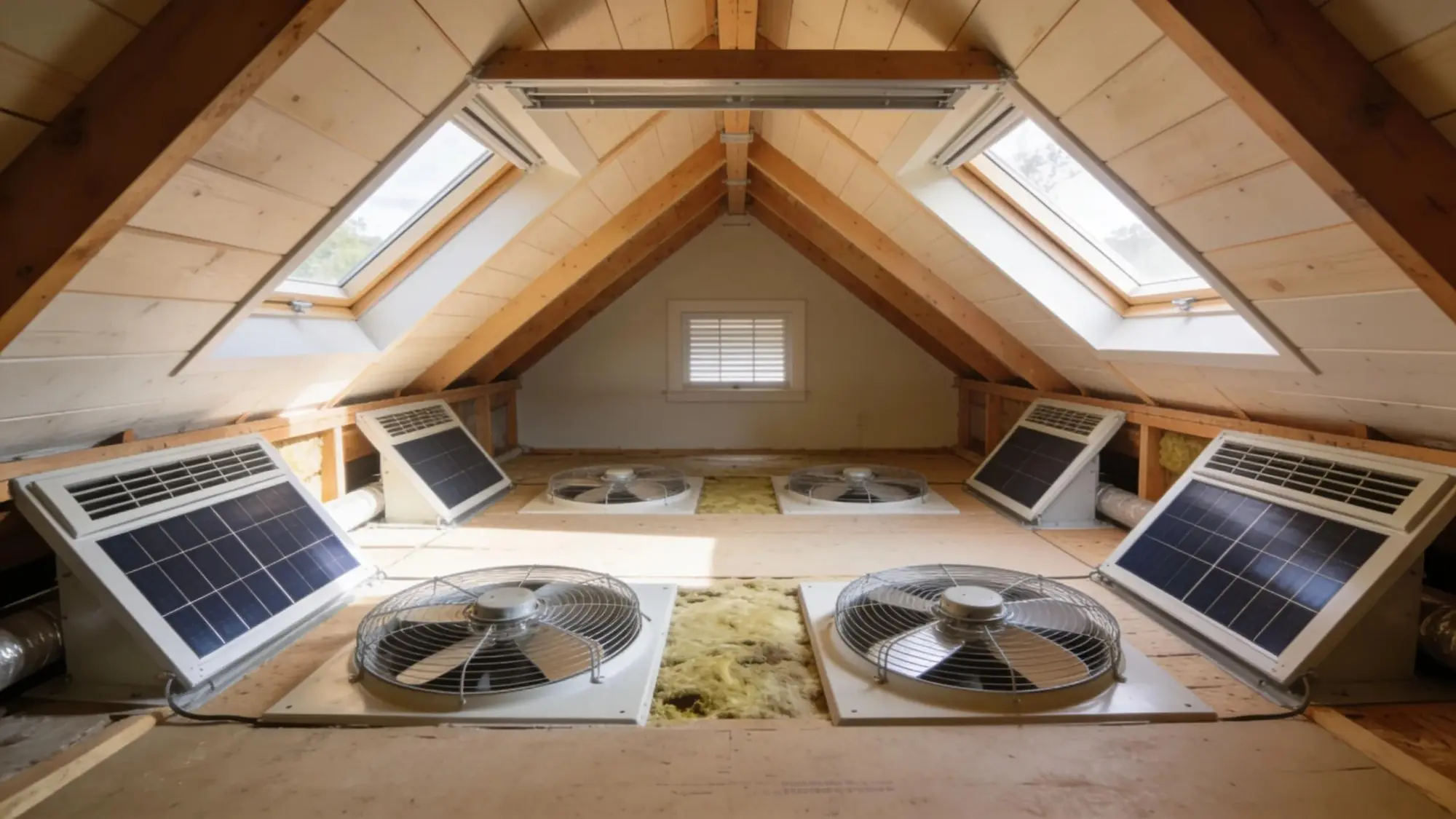
In Houston, high humidity levels significantly contribute to mold growth in attics. Both ridge vents and solar attic fans play important roles in mold prevention by promoting consistent airflow, which helps maintain lower humidity levels.

Ridge vents reduce moisture by facilitating passive air exchange, while solar attic fans actively lower attic temperatures and expel humid air. This can be particularly beneficial during the hot summer months when humidity peaks affect indoor air quality and comfort.

By understanding how each ventilation system promotes a drier environment in your attic, you can better choose a solution that aligns with your “mold prevention” goals.

What Are Ridge Vents and How Do They Help Prevent Mold in Houston Attics?
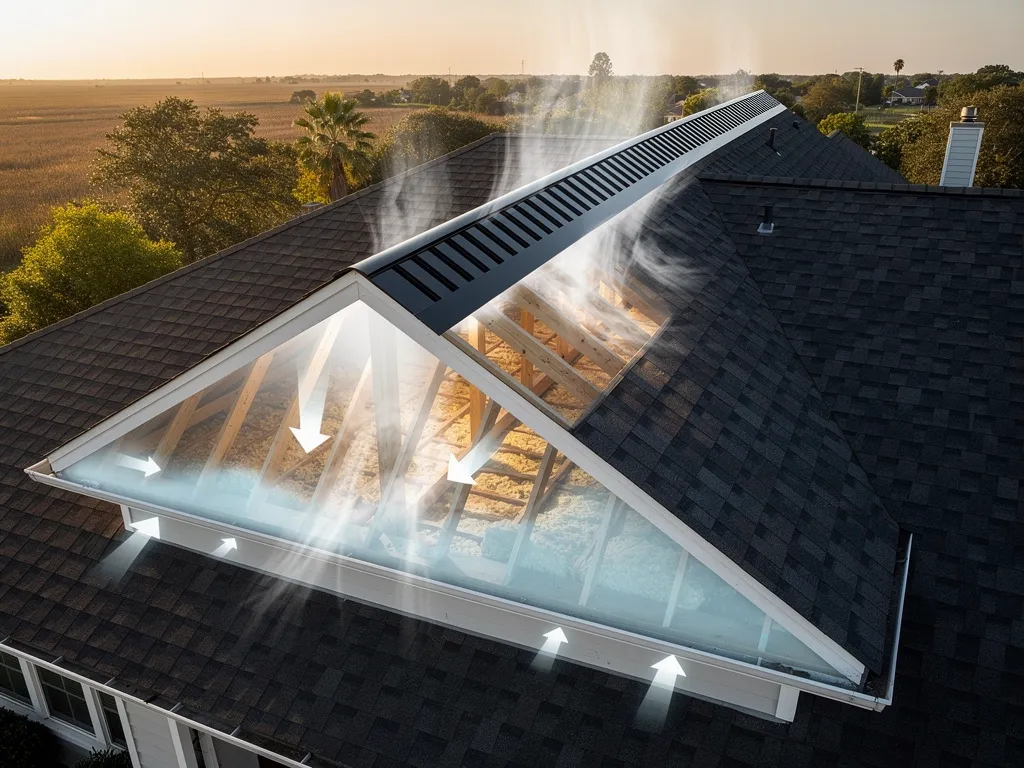
Ridge vents are critical components of roof ventilation designed to expel warm, stale air from the attic space. Their design is unobtrusive, blending seamlessly into the roofline, which enhances both functionality and aesthetics. Ridge vents act passively, meaning they rely on natural air movement; as hot air rises and escapes, cooler outside air is drawn in through soffit vents.

What Are the Energy Efficiency Benefits of Ridge Vents?

Homeowners can enjoy energy efficiency benefits from ridge vents that help mitigate costs.

  1. Cost-effectiveness: Ridge vents do not require electricity, thus eliminating any long-term operational costs.
  2. Simplicity: Their passive design makes them low-maintenance and easy to install without major roof adjustments.
  3. Enhanced Overall Home Efficiency: By ensuring a consistent airflow, ridge vents help maintain a cooler attic that contributes to reducing cooling costs, especially in warmer months.

How Do Solar Attic Fans Work and What Are Their Benefits in Houston's Climate?
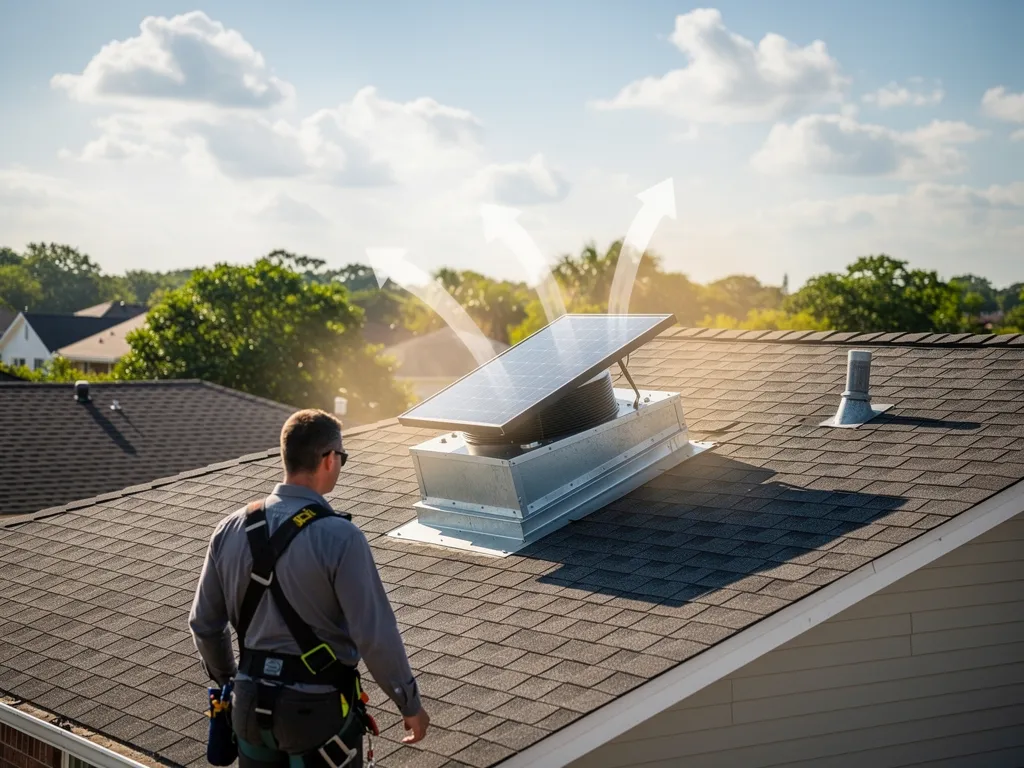
Solar attic fans harness solar energy to power a fan that actively regulates attic air temperature. This method is particularly advantageous in Houston‘s climate, where prolonged periods of high heat and humidity can lead to excessive attic temperatures. By forcing hot air out of the attic and creating a significant airflow change, solar attic fans help maintain optimal conditions.

How Does Solar Power Enhance Mold Prevention in Houston Attics?

The active operation of solar attic fans gives them an edge in controlling humidity levels, particularly during peak heat times throughout the day. By lowering attic temperatures and expelling humid air efficiently, these fans contribute significantly to reducing the conditions that foster mold growth. This capability is especially important in the humid Houston climate, where mold threats are prevalent.

Which Attic Ventilation Method Is Best for Mold Prevention in Houston?
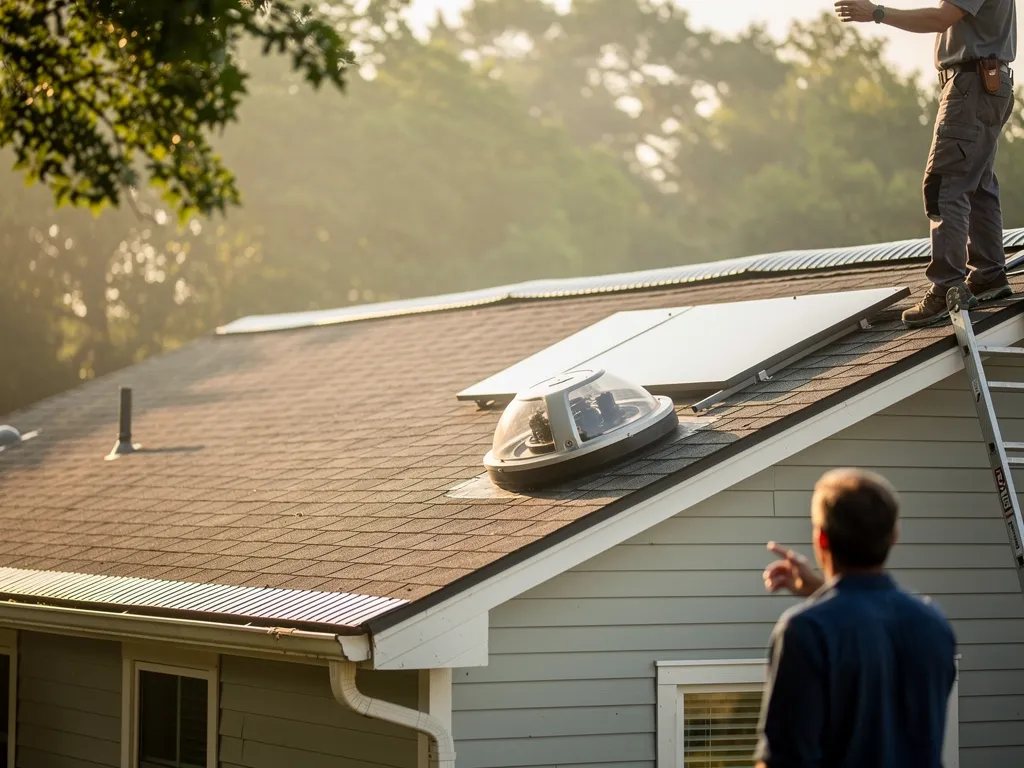
Choosing the most suitable attic ventilation method for mold prevention depends on several factors including your roof type, budget, and desired energy efficiency. While both ridge vents and solar attic fans contribute to reducing attic humidity, solar attic fans may offer superior effectiveness due to their active airflow capabilities.

How Does Houston’s Humid Climate Influence Ventilation Choice?

Houston‘s climate necessitates strategic ventilation solutions that can counter many moisture-related issues. The persistent heat and humidity can strain passive systems like ridge vents, making active solutions such as solar attic fans an appealing option for many homeowners seeking to mitigate mold risks.

Understanding local climate challenges can guide homeowners in making informed decisions about which ventilation systems will best serve their needs.

What Are the Installation Costs and Return on Investment for Ridge Vents vs. Solar Attic Fans in Houston?
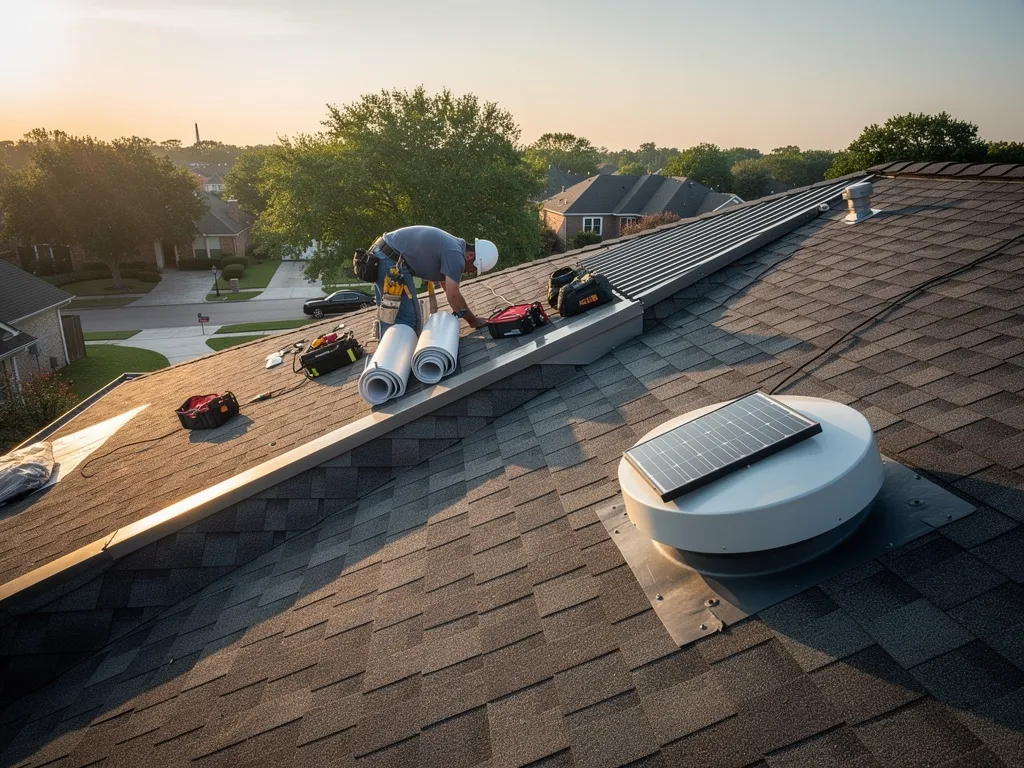
When considering attic ventilation, installation costs are a key factor. Ridge vents typically range from $300 to $600 for standard installations, dependent upon roof slope and design. Conversely, solar attic fans can range from $200 to $700, depending on the model and complexity of the installation.

What Energy Savings Contribute to ROI in Houston Homes?

Investing in either ridge vents or solar attic fans can lead to considerable energy savings over time. Homeowners can expect to see a reduction in cooling costs associated with efficient attic ventilation:

  1. Energy Savings: Many users report decreases in air conditioning costs of 15-20% with well-implemented ventilation systems.
  2. Diminished Repair Costs: Preventing mold can save substantial amounts in potential home damage and health-related expenses.

This financial analysis reveals the long-term benefits of both systems, positioning them as prudent investments for homeowners.

How to Choose a Qualified Contractor for Attic Ventilation Installation in Houston?
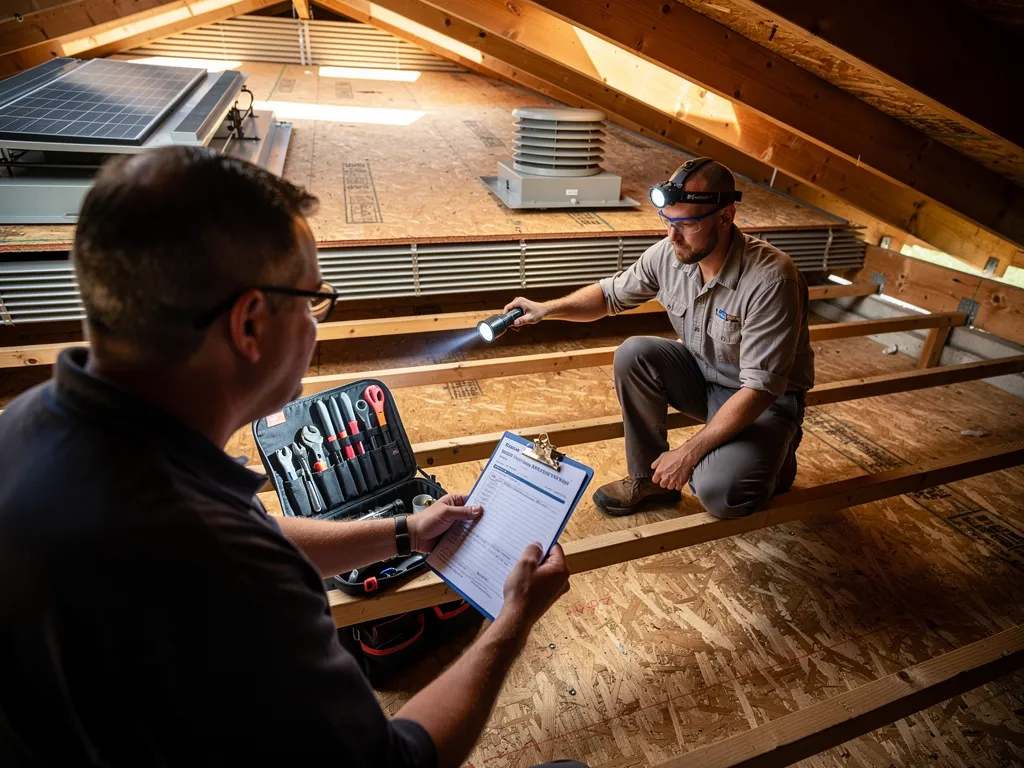
When installing attic ventilation systems, selecting a qualified contractor is essential to ensure proper installation and effectiveness of the system chosen. Key factors to consider include:

  1. Experience: Look for contractors with proven experience in attic ventilation and mold prevention solutions.
  2. Licensing and Insurance: Ensure your contractor is licensed and insured to safeguard against potential liabilities.
  3. Customer Reviews and Testimonials: Checking reviews can provide insight into a contractor’s reliability and quality of work.

By doing thorough research, homeowners can ensure they engage qualified professionals who can provide adequate guidance and service.

Where to Find Trusted Houston Attic Ventilation Professionals?

Finding reliable contractors involves leveraging local networks. Recommendations from friends, family, or neighborhood associations can yield trustworthy contacts. Additionally, local home improvement stores may offer referrals that help guide your decision.

What Maintenance Steps Maximize the Lifespan and Mold Prevention of Attic Ventilation Systems?
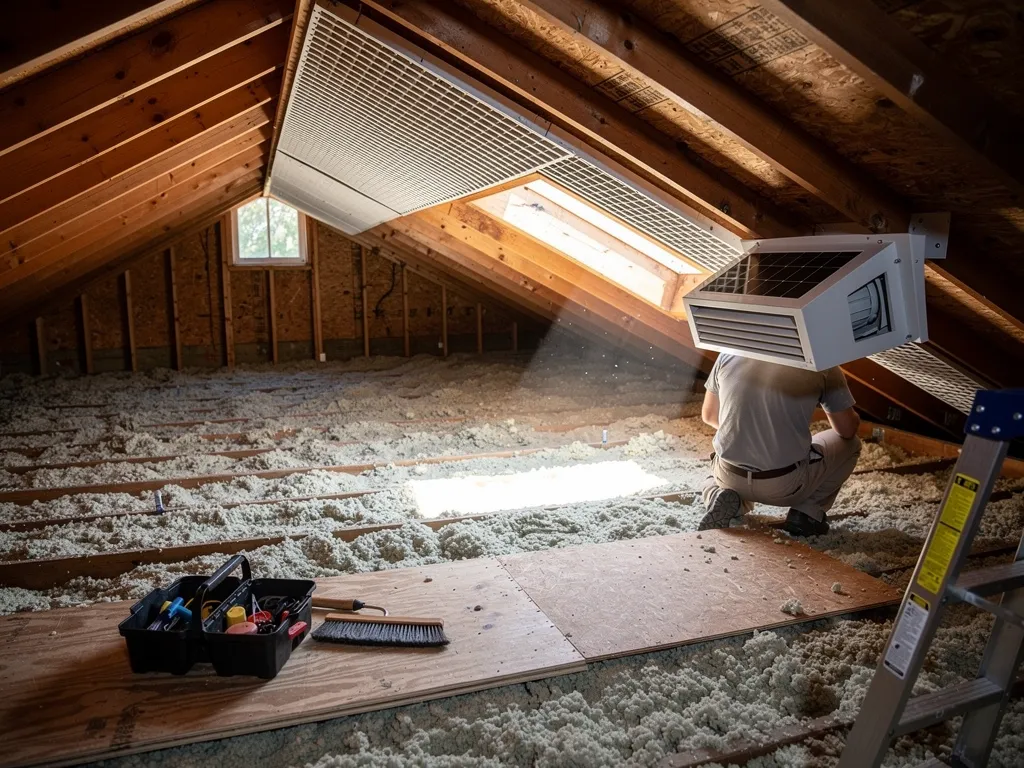
Maintaining attic ventilation systems is crucial to maximizing their lifespan and effectiveness in preventing mold growth. Regular checks ensure that both ridge vents and solar attic fans function optimally under various conditions.

  1. Routine Inspections: Check both systems bi-annually; inspect for obstructions, damage, or debris buildup around vents and fans.
  2. Cleaning and Upkeep: Clear any debris that may block airflow from the vents or fans to maintain maximum efficiency.
  3. Monitoring Performance: Regularly assess any changes in attic temperatures to determine if the ventilation system adequately meets your needs.

What Are Routine Checks for Ridge Vents and Solar Fans?

Specific checks can be paramount. For ridge vents, ensure that no-eave condensation or blocked air passages occur; for solar fans, monitor the effectiveness of the solar panel and the functionality of fan blades. A proactive approach ensures mold prevention remains effective for years to come.

Frequently Asked Questions

What are the environmental benefits of using solar attic fans?

Solar attic fans provide several environmental benefits, primarily through their use of renewable energy. By operating on solar power, they reduce reliance on fossil fuels and lower greenhouse gas emissions associated with traditional electricity usage. These fans also enhance energy efficiency in homes by minimizing heat build-up and decreasing the need for air conditioning. This not only contributes to lower energy production demands but also promotes a more sustainable living environment, helping homeowners reduce their carbon footprint.

How do temperature fluctuations in Houston affect attic ventilation systems?

Temperature fluctuations in Houston can significantly impact attic ventilation systems. During the hotter months, extreme heat can lead to higher humidity levels within the attic, making effective ventilation crucial to prevent mold growth and damage. Ridge vents may struggle to handle substantial temperature differences due to their passive nature. In contrast, solar attic fans actively expel hot air, making them particularly beneficial during Houston‘s intense heat waves. Understanding these fluctuations can help homeowners select the most effective ventilation strategy for their needs.

Can an attic ventilation system increase home resale value?

An effective attic ventilation system can potentially increase a home’s resale value. Prospective buyers often appreciate features that indicate lower energy costs and better indoor air quality. Homes equipped with efficient ventilation systems, such as ridge vents or solar attic fans, are seen as more desirable, particularly in humid climates like Houston‘s. Additionally, proper ventilation helps to prevent mold and structural damage, enhancing the overall appeal and longevity of a property, which can be a strong selling point.

What signs indicate insufficient attic ventilation?

Several indicators suggest that your attic may have insufficient ventilation. Homeowners should watch for signs such as excessive humidity in the attic, which can lead to mold growth, or noticeably higher energy bills due to increased cooling requirements. Additionally, warped or discolored roof materials, particularly shingles, can signify heat build-up from poor ventilation. Finally, condensation forming on attic fixtures or ductwork indicates moisture problems that could be ratified with improved ventilation solutions.

Are there any drawbacks to ridge vents compared to solar attic fans?

While ridge vents are effective for passive ventilation, they do have some drawbacks compared to solar attic fans. One major limitation is that ridge vents rely on natural air movement, which may be insufficient during periods of stagnant air or extreme heat. Additionally, ridge vents can be less efficient in homes with complex roof designs or where airflow may be obstructed. Solar attic fans actively draw hot air out of the attic, offering a more forceful solution to temperature and humidity control, particularly in challenging climates like Houston‘s.

How often should attic ventilation systems be inspected?

It is recommended that attic ventilation systems be inspected at least twice a year, ideally in spring and fall. This routine allows homeowners to check for any obstructions, accumulated debris, or physical damage that might hinder airflow. Regular maintenance helps ensure that ventilation systems operate efficiently throughout the year, particularly before the peak heat seasons that can exacerbate humidity issues. Timely inspections can also prevent more extensive repairs and enhance the longevity of your ventilation system.

What additional benefits do ridge vents provide apart from ventilation?

Beyond providing ventilation, ridge vents can also contribute to improved attic aesthetics and structural integrity. By blending seamlessly into the roofline, they maintain the visual appeal of a home while preventing the need for unsightly mechanical systems. Additionally, proper ventilation reduces the risk of ice dams in cooler months, protecting the roof from damage. Ridge vents also combat moisture issues that can deteriorate roofing materials, ultimately extending the lifespan of your roof and decreasing potential repair costs.