
My Website

Asphalt Shingles vs. Metal Roofing in Houston: Expert Guide for Your Home Replacement Decision

When it comes to replacing your roof, choosing the right material is crucial for both aesthetics and functionality. Asphalt shingles and metal roofing are two popular options, each with distinct characteristics that can significantly impact your home. This article will provide a comprehensive comparison of asphalt shingles and metal roofing, focusing on their key differences, advantages, disadvantages, and considerations for homeowners in Houston. By understanding these factors, you can make an informed decision that aligns with your budget, climate, and personal preferences.

In this guide, we will explore the essential aspects of both roofing materials, including their costs, durability, energy efficiency, installation processes, and maintenance requirements. Additionally, we will highlight the importance of consulting with a professional roofing service, such as Roof Fix Houston, to ensure you choose the best option for your home.

Key Differences

Asphalt shingles and metal roofing differ significantly in several key areas, including material composition, lifespan, and cost. Understanding these differences can help homeowners make an informed choice that suits their needs.

  1. Material Composition: Asphalt shingles are made from a base of fiberglass or organic materials coated with asphalt and granules. In contrast, metal roofing is typically composed of galvanized steel, aluminum, or copper, providing a more durable and long-lasting option.
  2. Lifespan: Asphalt shingles generally last between 15 to 30 years, depending on the quality and maintenance. Metal roofing, on the other hand, can last 40 to 70 years, making it a more durable investment in the long run.
  3. Cost: The initial cost of asphalt shingles is lower, typically ranging from $90 to $100 per square, while metal roofing can cost between $300 to $900 per square. However, the long-term savings associated with metal roofing can offset the higher upfront costs.

These differences highlight the importance of considering both short-term and long-term factors when selecting roofing materials.

Advantages

Both asphalt shingles and metal roofing offer unique advantages that cater to different homeowner needs.

  1. Cost-Effectiveness of Asphalt Shingles: Asphalt shingles are generally more affordable upfront, making them an attractive option for budget-conscious homeowners. Their ease of installation also contributes to lower labor costs.
  2. Durability of Metal Roofing: Metal roofing is known for its exceptional durability and resistance to harsh weather conditions, including high winds and heavy rain. This makes it an ideal choice for homeowners in areas prone to severe weather.
  3. Energy Efficiency: Metal roofing reflects solar heat, which can lead to lower energy bills during hot Houston summers. Asphalt shingles, while less energy-efficient, can still provide adequate insulation when properly installed.

These advantages can significantly influence your decision based on your specific needs and circumstances.

Disadvantages

While both roofing materials have their benefits, they also come with drawbacks that homeowners should consider.

  1. Shorter Lifespan of Asphalt Shingles: The relatively short lifespan of asphalt shingles means homeowners may need to replace their roofs more frequently, leading to higher long-term costs.
  2. Higher Initial Cost of Metal Roofing: The upfront investment for metal roofing can be a barrier for some homeowners, despite its long-term savings potential.
  3. Noise Concerns: Metal roofing can be noisier during rain or hail compared to asphalt shingles, which may be a consideration for some homeowners.

Understanding these disadvantages can help you weigh the pros and cons of each material effectively.

Considerations for Homeowners

When choosing between asphalt shingles and metal roofing, several factors should be taken into account.

  1. Climate Impact: Houston's hot and humid climate can affect the performance of roofing materials. Metal roofing's reflective properties can help keep homes cooler, while asphalt shingles may require more frequent replacement due to heat damage.
  2. Budget Considerations: Homeowners should evaluate their budget not only for the initial installation but also for long-term maintenance and replacement costs.
  3. Aesthetic Preferences: The appearance of your roof can significantly impact your home's curb appeal. Asphalt shingles come in various colors and styles, while metal roofing offers a sleek, modern look.

By considering these factors, homeowners can make a more informed decision that aligns with their lifestyle and preferences.

What Are the Cost Differences Between Metal Roofing and Asphalt Shingles in Houston?

Understanding the cost differences between metal roofing and asphalt shingles is essential for homeowners planning a roof replacement.

How Does Metal Roofing Cost Compare to Asphalt Shingles for Houston Homes?

The cost of roofing materials can vary significantly based on quality and installation. Asphalt shingles typically range from $90 to $100 per square, while metal roofing can range from $300 to $900 per square. Although asphalt shingles are more affordable initially, metal roofing’s longevity and energy efficiency can lead to savings over time.

What Financing Options Are Available for Roof Replacement in Houston?

Homeowners in Houston have several financing options for roof replacement, including personal loans, home equity loans, and financing plans offered by roofing contractors. It’s essential to explore these options to find a solution that fits your budget and financial situation.

How Do Asphalt Shingles and Metal Roofing Differ in Durability and Lifespan in Houston's Climate?
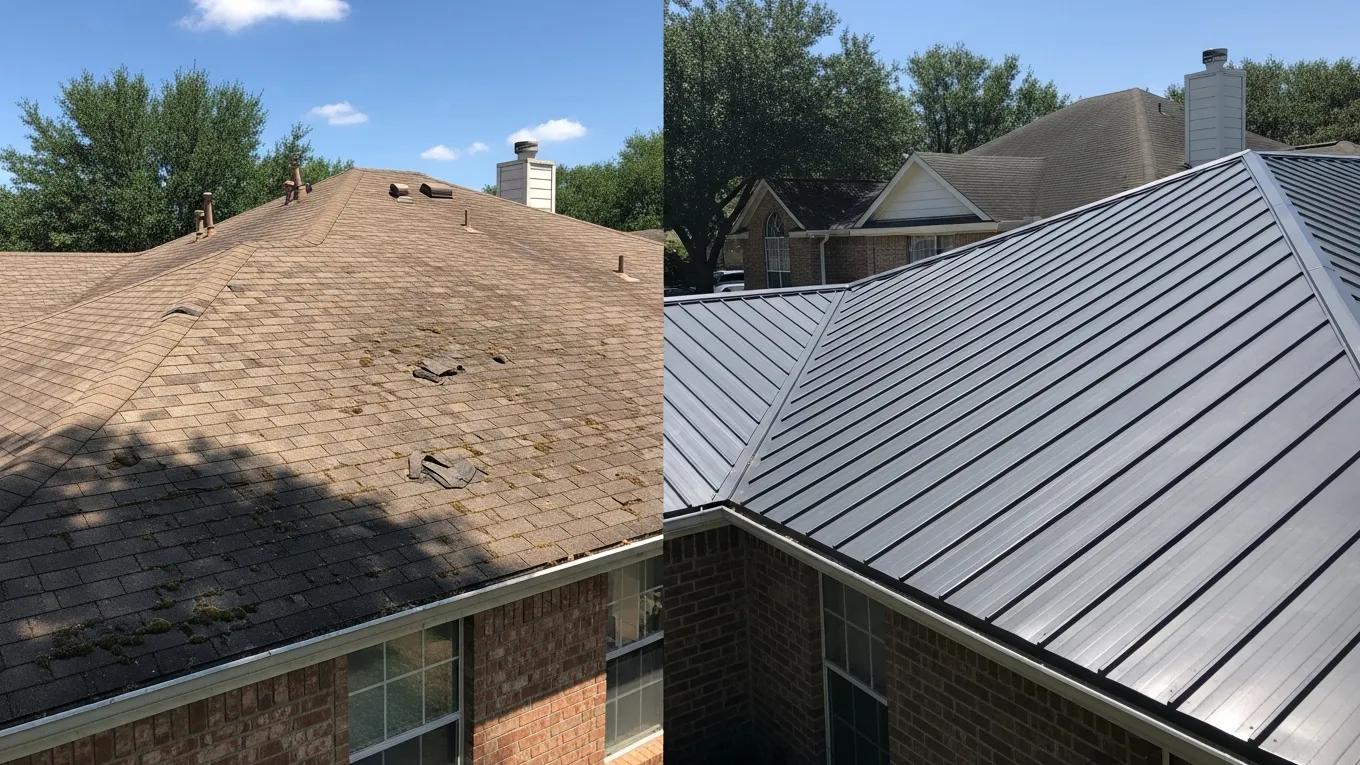
Durability and lifespan are critical factors when choosing roofing materials, especially in Houston’s climate.

Asphalt shingles typically last between 15 to 30 years, while metal roofing can last 40 to 70 years. The harsh weather conditions in Houston, including high humidity and intense heat, can impact the lifespan of both materials. Metal roofing’s resistance to rust and corrosion makes it a more durable option for homeowners in this region.

What Is the Expected Lifespan of Asphalt Shingles vs. Metal Roofing in Houston?

The expected lifespan of asphalt shingles is generally shorter than that of metal roofing. Homeowners can expect asphalt shingles to last around 20 years on average, while metal roofing can last up to 50 years or more with proper maintenance. This significant difference in lifespan can influence your decision based on how long you plan to stay in your home.

How Does Houston's Weather Impact Roofing Material Durability?

Houston’s weather can be challenging for roofing materials. High humidity levels can lead to mold and mildew growth on asphalt shingles, while metal roofing is less susceptible to these issues. Additionally, the intense heat can cause asphalt shingles to deteriorate faster, making metal roofing a more reliable choice for long-term durability.

What Are the Energy Efficiency and Environmental Benefits of Metal Roofing Compared to Asphalt Shingles?
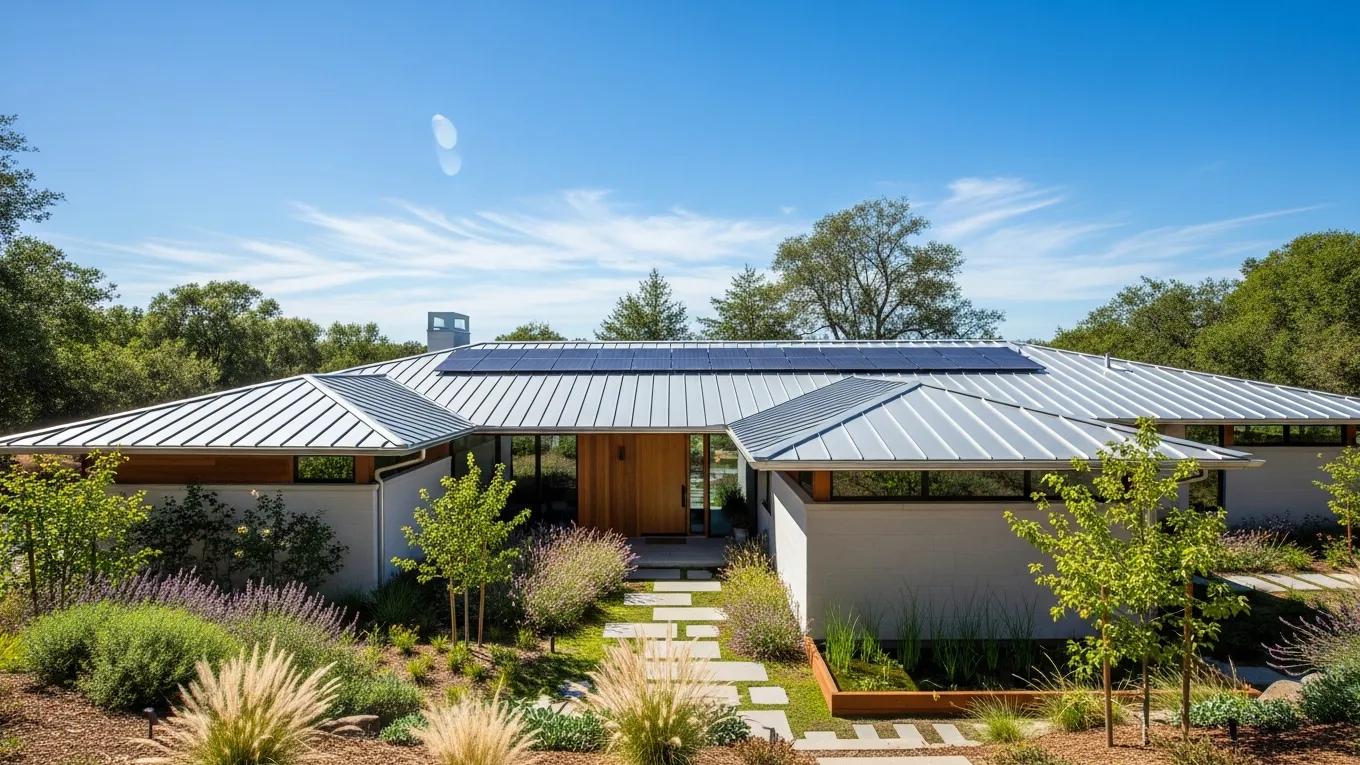
Metal roofing offers several energy efficiency and environmental benefits that can appeal to eco-conscious homeowners.

How Does Metal Roofing Improve Energy Savings for Houston Homes?

Metal roofing reflects solar heat, which can significantly reduce cooling costs during the hot summer months. This energy efficiency can lead to lower utility bills and a reduced carbon footprint, making metal roofing an environmentally friendly choice.

What Environmental Impacts Should Houston Homeowners Consider When Choosing Roofing Materials?

When selecting roofing materials, homeowners should consider the environmental impact of their choices. Metal roofing is often made from recycled materials and is fully recyclable at the end of its lifespan, while asphalt shingles contribute to landfill waste. Choosing metal roofing can be a more sustainable option for environmentally conscious homeowners.

What Is the Installation Process and Timeline for Metal Roofing Versus Asphalt Shingles in Houston?

The installation process and timeline can vary between asphalt shingles and metal roofing.

How Is Metal Roof Installation Conducted by Houston Roofing Contractors?

Metal roof installation typically involves several steps, including preparing the roof deck, installing underlayment, and securing metal panels. This process can take longer than asphalt shingle installation due to the complexity of the materials and techniques used.

What Are the Typical Installation Timelines for Asphalt Shingles and Metal Roofing?

Asphalt shingle installation is generally quicker, often completed within a few days, while metal roofing installation can take a week or more, depending on the roof’s size and complexity. Homeowners should factor in these timelines when planning their roof replacement.

What Maintenance and Repair Considerations Should Houston Homeowners Know for Asphalt Shingles and Metal Roofing?

Maintenance is essential for prolonging the lifespan of both asphalt shingles and metal roofing.

What Are the Maintenance Requirements for Asphalt Shingles in Houston?

Asphalt shingles require regular inspections and maintenance to prevent issues such as curling, cracking, and algae growth. Homeowners should clean gutters and remove debris to ensure proper drainage and extend the life of their roof.

How Does Metal Roofing Maintenance Differ in Houston's Environment?

Metal roofing requires less maintenance than asphalt shingles, as it is less prone to damage from weather elements. However, homeowners should still inspect for rust and ensure that fasteners are secure to maintain the roof’s integrity.

How Do Local Building Codes and Warranty Options Affect Your Roofing Material Choice in Houston?

Local building codes and warranty options can significantly influence your roofing material choice.

What Houston Building Regulations Impact Asphalt Shingles and Metal Roofing Installation?

Houston has specific building codes that govern roofing materials and installation practices. Homeowners should consult with local authorities or a professional roofing contractor to ensure compliance with these regulations.

What Warranty Coverage Should You Expect for Each Roofing Material?

Warranties for asphalt shingles typically range from 20 to 30 years, while metal roofing warranties can extend up to 50 years or more. Understanding the warranty coverage for each material can help homeowners make a more informed decision.