

Avoid Insurance Claim Mistakes for Roofs: Expert Guidance to Maximize Approval and Minimize Denial
Understand Your Coverage
Document Damage Thoroughly
- Clear Photographs and Videos: Capture detailed images and videos of the damage from multiple angles, as visual evidence strongly supports your claim.
- List of Affected Areas: Create a comprehensive list detailing all areas of the roof affected by the damage.
- Maintenance Records: Maintain records of past repairs or maintenance on the roof, which can help substantiate the claim.
Notify Your Insurer Promptly
- Insurers often require that damage be reported as soon as it occurs.
- Delays may lead to complications in claims processing, jeopardizing the claim's success.
- Meeting policy requirements for timely notification ensures compliance and expedites the claims process.
Schedule a Professional Inspection
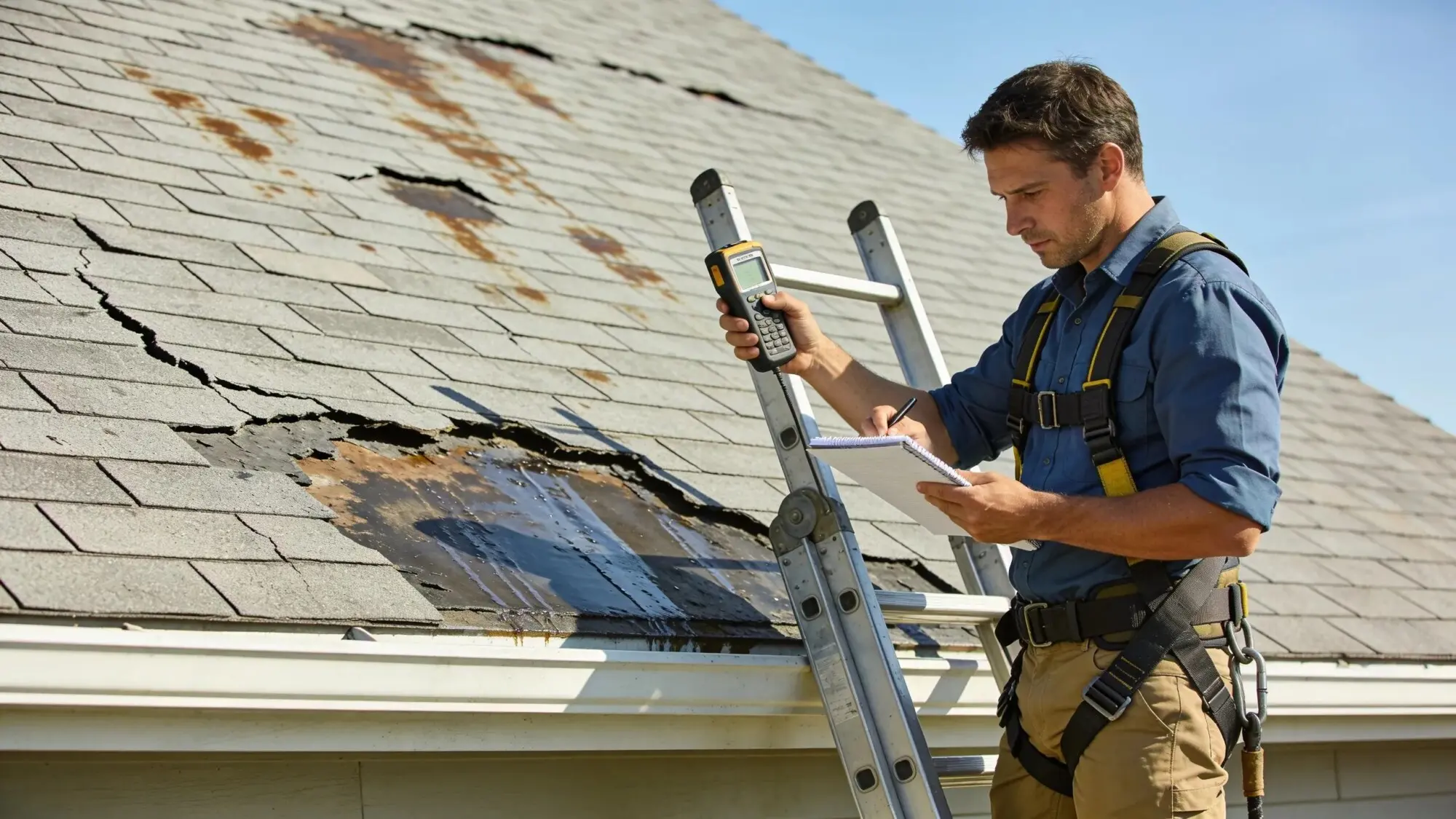
- Choose a Reputable Contractor: Select a contractor known for their integrity and expertise in roof inspections.
- Get Written Reports: Obtain a detailed written report from the contractor that outlines the nature and extent of the damage, which adds credibility to your claim.
- Identify All Types of Damage: Ensure that both visible and potential underlying issues are documented, as unseen damage could affect repair costs.
Gather Required Documentation
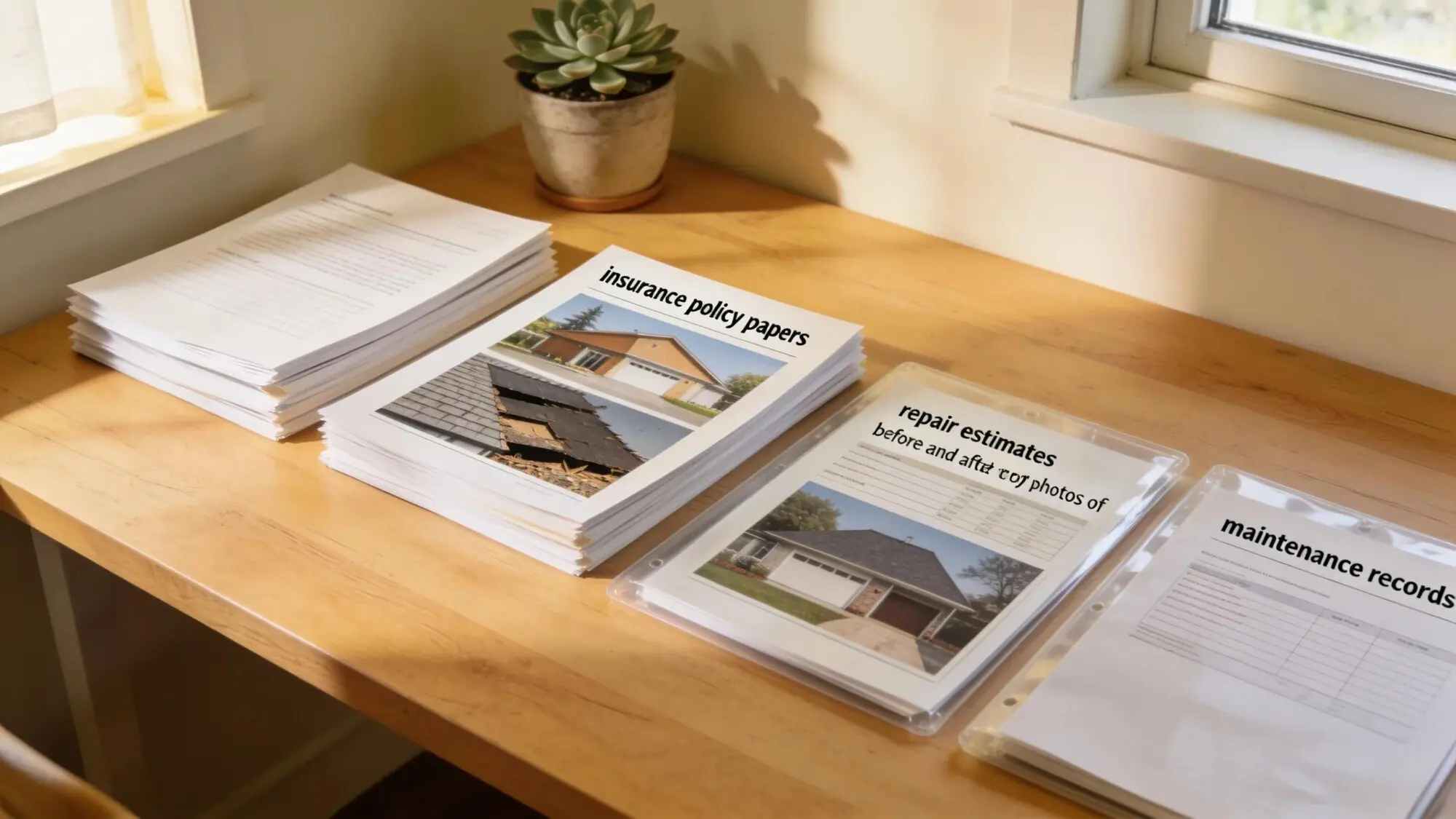
- Insurance Policy Details: Gather your current insurance policy documentation, which outlines coverage specifics.
- Photographs of Damage: Include the documented damage photos that visually represent your claim.
- Repair Estimates and Maintenance Records: Provide any estimates received from contractors along with records of previous maintenance, further establishing your case.
File Your Claim Correctly
- Follow Insurer’s Guidelines: Each insurance company has unique procedures; adhere to these requirements closely when submitting.
- Double-Check All Information: Before submission, verify that all your information is accurate and complete to prevent accidental oversights.
- Include Necessary Documentation: Make sure to attach all required documents to substantiate your claim.
Prepare for the Adjuster’s Inspection
- Be Available: Ensure that you or someone trustworthy is present to guide the adjuster during their assessment.
- Organize Documentation: Have all relevant documentation ready for the adjuster to review, including photos, reports, and repair estimates.
- Point Out All Damage: Clearly indicate all areas of concern and provide context for the damage sustained, ensuring nothing is overlooked.
Maintain Open Communication
- Stay in Touch with the Adjuster: Regularly check in with the insurance adjuster to answer any questions they may have and provide additional information as needed.
- Respond Promptly: Address any inquiries or requests from your insurer in a timely manner to eliminate delays.
- Follow Up on Your Claim Status: Don’t hesitate to proactively follow up to inquire about the progress of your claim.
Beware of Common Pitfalls
- Missing Deadlines: Failing to submit your claim or required documents within deadlines set by insurers can lead to denials.
- Insufficient Documentation: Providing inadequate evidence or failing to document damage thoroughly can weaken your claim.
- Misunderstandings of Policy Terms: Ensure that you fully understand the terms of your policy to avoid disputes with the insurer later.
Consider Hiring a Public Adjuster
- You believe the adjuster's assessment is unfair or insufficient.
- You require help navigating the claims process complexities.
- There is uncertainty regarding document requirements and policy interpretations.
Review Settlement Offers Carefully
- Analyze What the Settlement Covers: Ensure the settlement amount sufficiently addresses repair needs and related damages.
- Consult with Contractors: If necessary, seek contractor advice to understand if the settlement will allow for adequate repairs.
- Verify All Costs: Make sure the settlement covers all necessary repairs and any related costs incurred.
Keep Records of All Communications
- Document All Phone Conversations: Keep a log of details discussed, including dates and names of the representatives you speak with.
- Retain Email Records: Save all email correspondence related to your claim for reference.
- Create a Timeline: Maintain a timeline of events related to your claim submission to track the process effectively.
What Are the Most Common Insurance Claim Errors in Roofing Damage?
- Incomplete Documentation: Submitting claims without thorough supporting documents is a frequent mistake.
- Missing Deadlines: Failing to file claims or required documentation within specified timeframes.
- Policy Misunderstandings: Homeowners often mistakenly assume certain damages are covered when they are not.
How Does Incomplete Documentation Cause Claim Denial?
- Weaken Your Case: Insurers require a full picture of the damage and repairs needed.
- Lead to Delays: The insurer may require you to submit additional documentation, delaying the claims process.
- Result in Denial: Insufficient evidence may cause insurers to deny the claim outright.
What Is the Step-by-Step Process for Filing a Roof Damage Insurance Claim?
- Notify Your Insurer Immediately: Promptly inform them of the damage upon identification.
- Gather Documentation Systematically: Collect all necessary documents, including photos, maintenance records, and repair estimates.
- Follow the Filing Procedures Closely: Adhere to the insurer's specific guidelines when submitting your claim.
What Documentation Should Be Gathered Before Filing a Roof Claim?
- Insurance Policy Details: Ensure you have the current policy at hand for reference.
- Damage Photographs: Use images to visually demonstrate the damage.
- Repair Estimates from Contractors: Include potential expenses necessary for repairs.
How Can Roof Damage Assessment Influence the Claim Outcome?
- Types of Assessments Needed: Understanding what the assessment should cover can impact approval.
- Severity and Extent: The extent of damage noted directly influences what is covered under the policy.
- Documentation Quality: High-quality assessments that document damage thoroughly can lead to favorable outcomes.
Why Are Roof Insurance Claims Denied and How Can Denial Be Prevented?
- Understand Common Errors: Be aware of frequent mistakes that lead to denials.
- Adopt Effective Strategies: Employ proactive measures throughout the claims process to mitigate risks.
- Grasp Policy Terms: Ensure clarity around policy specifications to avoid disputes.
What Are the Leading Causes of Roof Claim Denials in Houston?
- Incomplete Documentation: Insurers frequently receive claims lacking necessary documentation.
- Policy Specifics: Specific terms within policies often result in unexpected denials.
- Communication Issues with Adjusters: Misunderstandings during discussions can further complicate claims.
How Does Expert Assistance Reduce the Risk of Claim Denial?
- Thorough Documentation: Professionals ensure all documentation requirements are met.
- Understanding Policies: Experts can help interpret complex policy language clearly.
- Timely Submission of Claims: Assistance from professionals can lead to prompt action within claim timeframes.
What Are the Best Practices and Tips for Successful Roof Insurance Claims?
- Document Damage Meticulously: Capture all aspects of damage to the property.
- File Claims Promptly: Timely action is key to keeping the process moving smoothly.
- Maintain Regular Communication with Adjusters: Frequent updates can alleviate misunderstandings and delays.
How to Negotiate Effectively with Insurance Adjusters on Roof Claims?
- Prepare for Negotiations: Understand your position and the documentation available to support your claim.
- Follow Up Thoroughly: After discussions, reiterate key points to reinforce your stance.
- Clarify Doubts During Discussions: Never hesitate to ask questions to ensure clarity on the specifics of your claim.
Which Checklist Ensures Completeness Before Claim Submission?
- Immediate Actions After Damage: Document all damage and report it immediately.
- Documentation Readiness: Compile all necessary documents to support your claim.
- Clear Communication with Insurers: Maintain transparency and clarity in your communications with your insurer.
How Do Houston Insurance and Roofing Regulations Affect Roof Insurance Claims?
- Texas Prompt Payment Laws: Familiarize yourself with the laws governing the timely payment of claims.
- Local Building Codes: Comply with local codes when planning repairs or replacements to avoid complications.
- Procedural Requirements: Ensure adherence to all procedural requirements for filing claims.
What Local Codes Must Be Complied With for Roof Repairs and Claims?
- Building Code Compliance Essentials: Ensure that all repairs adhere to local code requirements to validate your claim.
- Permitting Requirements: Verify if permits are necessary for any repair work on your roof.
- Safety Regulations in Roofing: Understand and follow safety regulations that apply to roofing to avoid compliance issues.
How Does Regional Market Data Influence Claim Strategies?
- Understanding Regional Insurance Trends: Awareness of local claims trends can guide filings.
- Impact of Weather on Claims: Leverage data on weather patterns to support claims in storm-prone areas.
- Historical Claim Outcomes: Study previous claim outcomes to better position yourself for success.
Can You Review Case Studies Demonstrating Successful Roof Insurance Claims?
- Highlight Examples of Successful Claims: Review how other homeowners successfully navigated their claims.
- Discuss Methodologies Used: Understand the strategies employed that led to favorable results.
- Outcomes Achieved by Homeowners: Learn about the documentation and efforts that proved most effective.
Which Client Examples Showcase Claim Approval via Correct Documentation?
- Client Testimonials on Claims: Feedback from homeowners who successfully used thorough documentation.
- Success Metrics: Statistics showing the success rate of claims supported by detailed documentation.
- Documentation Used: Examples of documents that played crucial roles in claim approvals.
What Metrics Highlight the Benefits of Professional Insurance Claim Assistance?
- Success Rates with Professionals: High approval rates for claims handled by experts indicate their effectiveness.
- Cost vs. Benefit Analysis: Weighing the cost of hiring professionals against the achieved claim amount.
- Time Savings and Efficiency: Rapid processing times when a professional manages the claims process.
Forensic Evaluations of Storm Damage Insurance Claims
AbstractSevere weather, which is a regular occurrence in the American Southwest, includes more than high temperatures and haboobs (dust storms). Severe thunderstorms, often accompanied by high winds and hail, are regularly experienced and have the potential to cause damage to roofing systems and other exterior building components. Insurance claims for storm damage — both legitimate and unwarranted — have come under increased scrutiny due to indistinct and altered dates of loss, the amending and broadening of damage causes, and the offering of technically unsupportable opinions by individuals who are less than qualified. Further, these claims often end in appraisal hearings that are decided by umpires for whom there are no minimum educational or experiential requirements. Forensic Evaluations of Built-Up Roofing Storm Damage Claims and the Appraisal Process, 2015