
Facing Houston's intense and lengthy summers, homeowners are prioritizing energy efficiency to maintain comfortable indoor climates while reducing utility costs. This consolidated guide details effective strategies involving cool roofing materials, radiant barriers, and reflective solutions that work synergistically to mitigate severe Texas heat impacts. By understanding and implementing these technologies, Houston residents can significantly reduce attic and indoor temperatures, lower energy consumption, and enjoy both environmental and financial benefits. We explore the science behind each approach, installation processes, types of materials suited for Houston's climate, as well as the economic incentives encouraging adoption.

Understanding Cool Roofing Materials and Their Role in Houston’s Climate

Cool roofing materials are engineered to reflect a substantial portion of solar radiation and minimize heat absorption compared to traditional roofing. This is critical in Houston’s hot and humid environment, where solar intensity combines with moisture to increase indoor cooling demands. Reflective surfaces and high-emissivity materials reduce roof temperatures, limiting heat transfer into living spaces. Consequently, these roofs reduce the strain on HVAC systems, improving indoor comfort and lowering electricity usage.

Cool Roofs and Radiant Barriers by Roof Fix Houston

Several roofing options provide effective heat reduction tailored for Houston homes, each with unique benefits:

  1. Metal Roofing: Offers durability and outstanding reflective qualities, effectively lowering roof surface temperatures.
  2. Reflective Coatings: Applied over existing roofs to enhance reflectivity affordably without full replacement.
  3. TPO Roofing (Thermoplastic Olefin): This single-ply membrane is reflective and well-suited for flat or low-slope roofs common in Houston residences.
  4. Light-Colored Asphalt Shingles: Their reflective granules significantly reduce heat absorption compared to traditional darker shingles.

These materials contribute substantially to thermal management strategies by reducing attic heat gain and enhancing overall energy performance.

Solar Reflectance Index (SRI): A Crucial Metric for Houston Roofing Energy Efficiency

The Solar Reflectance Index (SRI) combines a roofing material’s ability to reflect solar heat and emit absorbed energy, with higher values indicating better performance. In Houston, selecting roofs with high SRI ratings is vital for compensating for extended heat exposure and humidity. High SRI roofing minimizes indoor temperature fluctuations and reduces cooling system demands, directly contributing to lower monthly energy bills.

Radiant Barriers: Enhancing Attic Cooling and Energy Savings in Houston Homes

Radiant barriers complement cool roofs by reflecting radiant heat back toward the roof exterior, preventing excessive heat transfer into the attic and living areas. Typically installed beneath roof rafters or atop insulation, radiant barriers significantly reduce attic temperatures, alleviating the HVAC burden during Houston’s peak summer months. Their integration leads to notable energy savings and heightened residential comfort.

Radiant Barrier Installation Process Tailored for Houston's Heat Mitigation
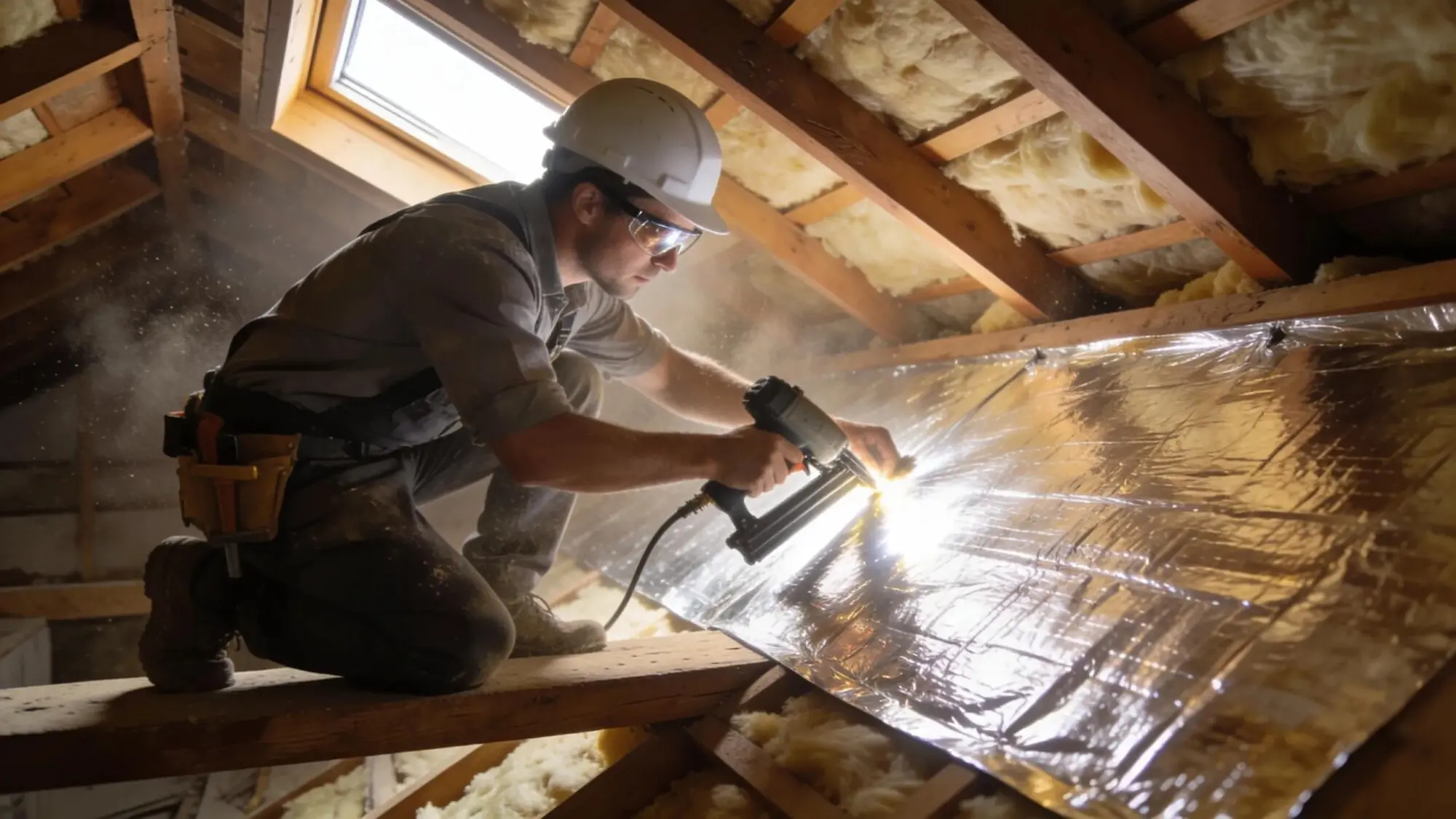
The professional installation process involves several precise steps:

  1. Assessment: Inspecting attic structure and insulation to determine optimal radiant barrier application.
  2. Surface Preparation: Cleaning and clearing attic surfaces to ensure effective adhesion and positioning.
  3. Installation: Securing radiant barrier sheets or foils under roof rafters or atop insulating layers to maximize reflectivity.
  4. Final Inspection: Confirming code compliance and thorough coverage for sustained performance.

Typically completed within one to two days, this installation markedly bolsters attic insulation effectiveness.

Radiant Barrier Effectiveness in Houston's Hot Climate

Research, including data from the U.S. Department of Energy, shows radiant barriers can reduce attic temperatures by 30°F during peak heat periods. This reduction translates into cooling cost savings ranging between 5% and 10% annually, making radiant barriers an effective and economical solution, particularly in Texas’ high-solar-radiation environment.

Maximizing Energy Savings and Cost Benefits with Cool Roofing and Radiant Barriers in Texas

Investment in cool roofs combined with radiant barriers yields substantial energy savings by cutting down air conditioning use. Houston homeowners can realize a noticeable decrease in energy bills, often seeing savings of 20% or more by 2026 as energy costs rise. Over time, these savings offset upfront costs while simultaneously increasing property value by improving home energy ratings.

Local Rebates and Incentives Supporting Energy-Efficient Roofing in Houston

To encourage energy-efficient upgrades, several programs are available:

  • Texas Property Assessed Clean Energy (PACE): Offers financing options for roofing and other energy improvements.
  • Federal Tax Credits: Qualify homeowners for credits by installing approved energy-efficient roofing and insulation systems.

Utilizing these incentives reduces initial expenses and accelerates return on investment.

Essential Climate Adaptation Strategies Complementing Cool Roofing in Houston

For optimal results in combating Houston’s severe heat, homeowners should integrate cool roofing with additional measures:

  • Energy-Efficient Windows: Installing double-pane windows minimizes heat infiltration through glass.
  • Strategic Landscaping: Planting shade trees around roofs and windows lessens solar heat gain.
  • Attic Insulation Upgrades: Enhanced insulation works in tandem with radiant barriers and cool roofs to improve thermal resistance.

These strategies collectively boost comfort and reduce energy consumption.

Combating Houston Summer Heat: Synergistic Effects of Cool Roofs and Radiant Barriers

Cool roofs and radiant barriers together provide a comprehensive defense against rising summer temperatures by effectively reflecting sunlight and preventing radiative heat transfer into homes. Their combined implementation stabilizes indoor climates, lowers cooling loads, reduces greenhouse gas emissions, and helps mitigate urban heat island effects prevalent in Houston.

Additional Home Energy Efficiency Measures to Pair With Cool Roofing

To maximize energy savings, consider the following complementary upgrades:

  • High-Efficiency HVAC Systems: Modern units optimize cooling performance with reduced energy use.
  • Duct Sealing and Insulation: Prevents conditioned air loss, enhancing HVAC efficiency.
  • Solar Power Installation: Renewable energy systems can offset electrical consumption from cooling needs.

Integrating these measures with cool roofs and radiant barriers creates a holistic home energy efficiency approach for Houston residents.

Guidance for Houston Homeowners on Selecting Optimal Reflective Roofing Solutions

Choosing the best reflective roofing involves considering:

  1. Climate Compatibility: Materials suited to Houston’s hot, humid conditions with proven heat-reflective capabilities.
  2. Cost-Benefit Analysis: Balancing upfront investment against long-term energy savings and durability.
  3. Aesthetic Integration: Ensuring roofing complements home architecture and neighborhood character.

Informed decisions aligned with these criteria enhance satisfaction and maximize return on investment.

Comparing Cool Roofing Materials for Houston Homes: Key Factors

When evaluating roofing materials, consider:

  • Durability: Longevity under Houston’s weather extremes including heat, storms, and humidity.
  • Reflectivity: Ability to maintain high solar reflectance over time to ensure continuous energy savings.
  • Cost: Installation expenses alongside maintenance and lifecycle costs.

Understanding these elements supports selecting a roofing solution that delivers optimal performance and value.

Locating Trusted Radiant Barrier and Cool Roof Installation Services in Houston

Reliable installation is critical for achieving performance. Recommendations for finding reputable contractors include:

  • Licensing and Insurance: Confirm credentials and coverage to ensure professional accountability.
  • Experience in Energy-Efficient Roofing: Prioritize installers specializing in cool roofs and radiant barriers.
  • Positive Customer Reviews: Seek feedback and references to gauge quality and satisfaction.

Professional workmanship ensures technologies deliver promised benefits in Houston’s demanding climate.

49 50 57