Commercial Roofing Solutions in Houston: TPO Roofing, Flat Roofs, and Preventive Maintenance for Optimal Performance
Commercial roofing in Houston presents unique challenges and opportunities, particularly in relation to specific materials and maintenance practices. This guide aims to explore effective "commercial roofing solutions", emphasizing the advantages of TPO roofing, common flat roof types, and the vital role of preventive maintenance. Readers will gain insight into how these components contribute to the overall performance and longevity of commercial roofs, ultimately optimizing investment and reducing long-term costs. The article will also discuss the recommended maintenance schedules and how Houston businesses can enhance their roofing solutions with effective strategies.
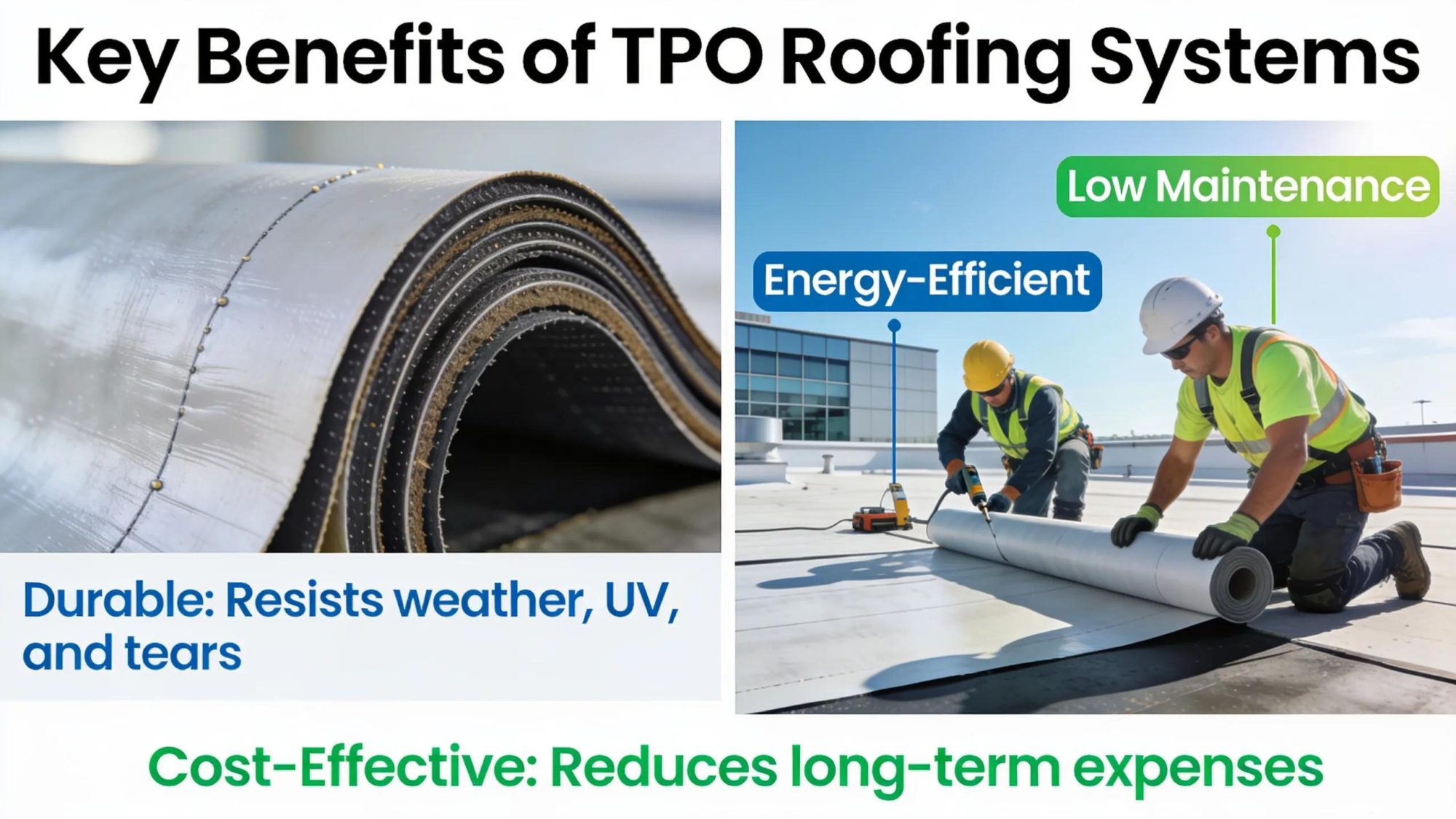
"TPO roofing", or Thermoplastic Olefin, is a popular choice for commercial roofs due to its durability, cost-effectiveness, and energy efficiency. This material is designed to withstand harsh weather, making it ideal for the hot and humid climate of Houston. One of the key benefits of TPO roofing is its reflective properties, helping to reduce indoor temperatures and subsequently lower energy costs. It has grown in popularity due to its versatility and long-lasting performance, presenting an excellent option for commercial roofing properties seeking reliable roofing solutions.
For those considering TPO options, various membranes offer great durability and energy efficiency compared to other roofing materials. When selecting a roofing system, it's important to understand the differences and advantages offered in the market today.
What Are the Key Benefits of TPO Roofing Systems in Houston Commercial Buildings?
The benefits of TPO roofing systems for commercial buildings in Houston include several critical factors:
- Durability: TPO membranes are built to resist punctures, tears, and impact, maintaining their structural integrity over time.
- Cost-Effectiveness: Compared to traditional roofing materials, TPO systems typically involve lower installation and material costs, providing an economical choice for businesses.
- Energy Efficiency: The reflective nature of TPO helps minimize energy consumption by keeping buildings cooler, ultimately leading to significant savings on cooling costs.
Incorporating TPO roofing into commercial buildings not only enhances the overall performance of the structure but also contributes to sustainability through energy savings.
How Does TPO Roofing Improve Energy Efficiency in Houston's Climate?
TPO roofing significantly enhances energy efficiency in Houston due to its high solar reflectance. This feature allows the roofing surface to reflect more sunlight, reducing heat absorption. As a result, buildings tend to remain cooler, thus lessening the workload on air-conditioning systems and reducing energy costs. The performance of TPO roofing makes it a smart choice for minimizing environmental impact while promoting cost savings for commercial enterprises.
What Is the Typical Installation Process for Commercial TPO Roofing?
The installation process for TPO roofing typically follows these key steps:
- Preparation: The existing roof surface is evaluated, and necessary repairs are made.
- Insulation Installation: Insulation may be added to enhance energy efficiency before the TPO membrane is laid.
- TPO Membrane Application: The TPO sheets are mechanically fastened or adhered to the substrate, ensuring a secure installation.
- Edge and Drainage Details: Proper detailing around edges and drains is critical to prevent leaks.
Adhering to these processes ensures a robust TPO roofing system that is designed to last and perform in Houston's unique climate. For more information on its long-term benefits, visit our roof maintenance page.
Flat roofs are a common roofing solution for commercial properties, providing flexibility and ease of use. While they offer substantial advantages, they also come with specific challenges. Common types of flat roofs in Houston include built-up roofing (BUR), modified bitumen, and single-ply systems like TPO. Each roofing type has distinct characteristics that influence maintenance needs and overall performance in a commercial setting.
Understanding the nature of "flat roofs" helps businesses manage their roofing systems effectively, thus maximizing their investment.
Which Flat Roof Types Are Common for Houston Commercial Properties and What Challenges Do They Face?
Key types of flat roofs commonly seen in Houston include:
- Built-Up Roofing (BUR): Comprising layers of asphalt and gravel or cap sheets, these roofs are durable but require regular maintenance to address potential leaks.
- Modified Bitumen: Versatile and resilient, modified bitumen is applied in layers but can be prone to UV damage if not properly maintained.
- Single-Ply Membranes: This includes TPO and EPDM systems, which are lightweight and easy to install but often need regular inspections for potential punctures and weathering.
Each flat roof type faces its own set of challenges, primarily related to water pooling and drainage inefficiencies, which can lead to costly repairs if not managed appropriately.
When Is Flat Roof Replacement Recommended for Commercial Buildings in Houston?
Flat roof replacement is recommended when several critical indicators present themselves: roof replacement
- Severe Damage: If leaks or structural issues become frequent and costly to repair.
- Aging Roof: Roofs typically have a lifespan; reaching beyond this time impacts integrity and performance.
- Energy Efficiency Concerns: Old roofs may no longer provide energy efficiency, leading to higher energy bills.
Being proactive about roof replacement can prevent larger issues and further expenses down the line.
Preventive maintenance is crucial for extending the life of commercial roofs. Regular inspections and timely repairs help identify issues early, ensuring that minor problems do not escalate into significant financial burdens. Creating a preventive maintenance schedule involves guiding principles that are essential for maintaining roof integrity.
Overall, preventive maintenance is an investment that yields substantial long-term benefits.
Property managers can utilize established industry standards to ensure their maintenance protocols cover all critical aspects of building integrity.
Commercial Roofing Preventive Maintenance Guide for Property Managers
This chapter serves as a desk reference of preventive maintenance tasks and procedures, of lubrication theory, commercial roofing maintenance procedures, maintaining HVAC systems Manager's guide to preventive building maintenance, 2020
How Does Preventive Maintenance Extend the Life of Commercial Roofs in Houston?
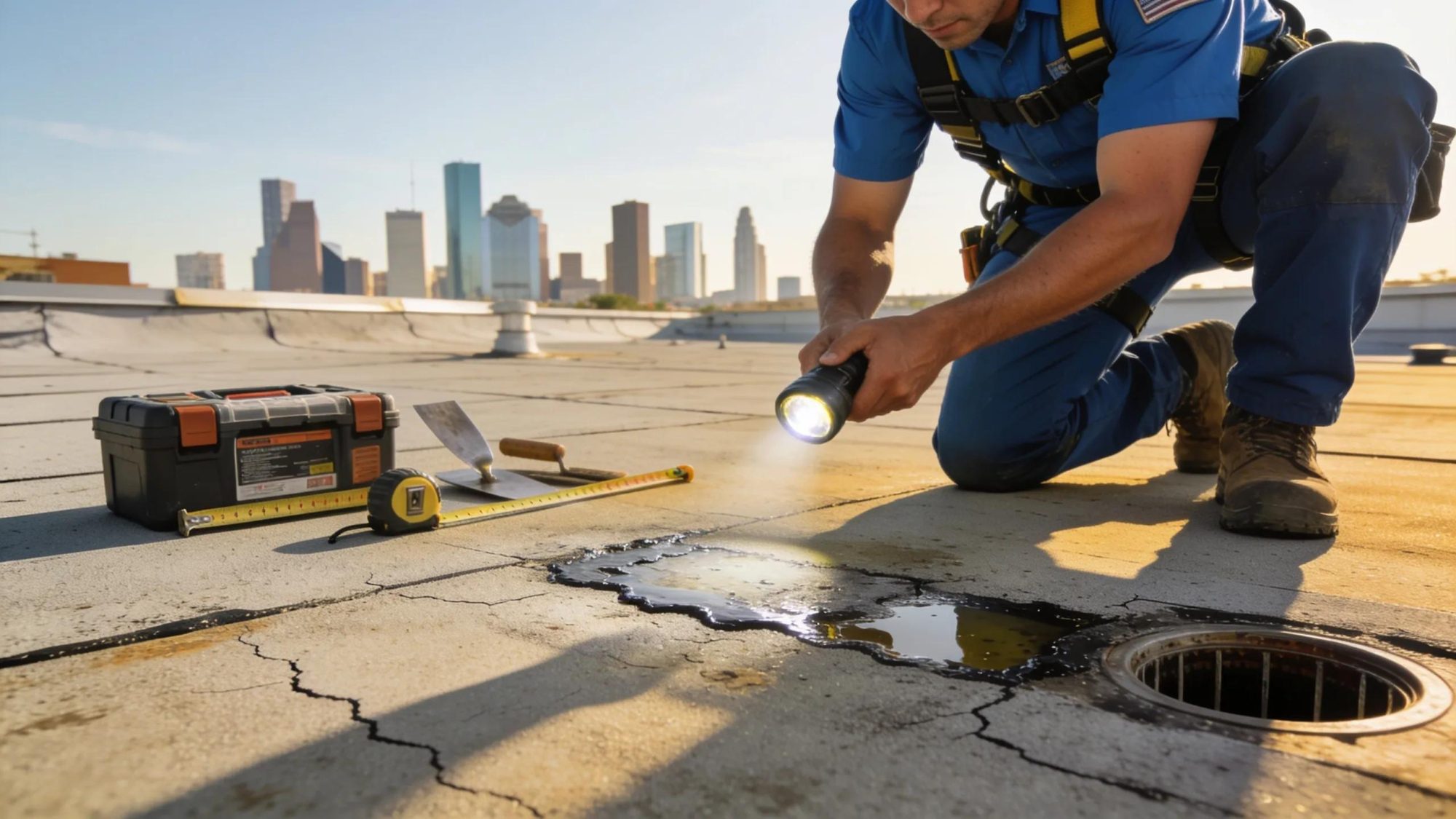
Preventive maintenance extends the lifespan of roofs in Houston through systematic inspections and timely interventions. By actively monitoring the condition of the roof, business owners can catch potential issues such as leaks, ponding water, or membrane damage before they lead to substantial repairs. This proactive approach not only safeguards against unexpected costs but also enhances the overall performance and durability of the roofing system.
What Are the Recommended Commercial Roof Maintenance Schedules in Houston?
Establishing a maintenance schedule is paramount for effective roof management. Regular inspections should be conducted at least twice a year, ideally in spring and fall. Key elements of a maintenance schedule may include:
- Seasonal Inspections: After heavy rainfall or severe weather events.
- Cleaning Debris: Removing leaves and dirt that may hinder drainage.
- Visual Assessments: Checking for signs of wear, loose materials, or water pooling areas.
- Infrared Thermography Moisture Scans: Non-destructive testing to detect subsurface moisture issues before visible damage occurs.
- Core Sampling Analysis: Periodic physical analysis of roof samples to assess material and structural condition.
Implementing these practices can significantly improve the longevity and reliability of the roof while reducing long-term costs.
How Does Preventive Maintenance Help Save Costs on Houston Commercial Roofs?
Preventive maintenance significantly reduces costs for Houston commercial roofs by addressing minor issues before they develop into major problems. Early repairs are less expensive than extensive renovations, and regular upkeep helps maintain energy efficiency, resulting in lower utility bills. Establishing a routine maintenance plan can save businesses hundreds to thousands of dollars each year.
In summary, investing in preventive maintenance is not just about preservation; it's about creating a sustainable financial strategy for managing commercial roofing effectively.
Energy-Efficient Roofing Comparison Matrix for Houston Commercial Buildings
When selecting commercial roofing materials suitable for Houston's challenging environment, including petrochemical exposure near the Ship Channel, it is critical to compare options across multiple technical and economic factors. Below is a detailed evaluation of widely used commercial roofing systems: Single-Ply TPO, EPDM Rubber, PVC membranes, and Multi-Ply Modified Bitumen / Built-Up Roofing (BUR).
Houston Climate Engineering & Ponding Water Solutions
Houston's Gulf Coast climate poses challenges including heavy rainfall, high humidity, and intense heat. To protect commercial roofs and ensure longevity, engineering controls for drainage and moisture management are essential.
Positive Slope Drainage Standards and Insulation
All commercial flat roofs should meet or exceed the minimum positive slope drainage standard of 1/4 inch per foot, as specified by the International Building Code (IBC). Achieving this slope prevents water accumulation that can severely compromise roof integrity.
Custom tapered polyisocyanurate (ISO) insulation systems are designed to create consistent slopes directing water toward drains. These solutions effectively eliminate standing or ponding water, which can accelerate membrane failure and structural degradation.
Drain, Scupper, and Collector Box Design for Torrential Downpours
Properly sized commercial internal drains, scuppers, and collector boxes must be engineered to handle severe Gulf Coast rain events, preventing overflow and water intrusion. Calculations for capacity consider historical storm data to ensure resilience to torrential downpours common in Houston.
Enhanced Preventive Maintenance Protocols & Commercial SLA
Structured maintenance programs ensure roofing assets remain in optimal condition under Houston’s demanding environment. Establishing a Service Level Agreement (SLA) between property managers and contractors fosters accountability and high performance.
Semi-Annual Maintenance Protocols
- Spring Inspection (Pre-Hurricane Season): Comprehensive audit including membrane condition, drainage function, and sealing integrity.
- Autumn Inspection (Post-Storm Season): Post severe weather assessment focusing on identifying damages and water intrusion risks.
Advanced Diagnostic Techniques
- Infrared Thermography Moisture Scans: Non-destructive imaging that detects moisture anomalies within roofing assemblies, enabling timely intervention before visual signs emerge.
- Core Sampling Analysis: Laboratory testing of roof membrane and substrate samples to assess material degradation and underlying issues.
Adopting these protocols significantly mitigates risks, extends roof life, and ensures early problem resolution.
Authority & E-E-A-T Standards in Commercial Roofing
Credibility and compliance in commercial roofing installation and maintenance are paramount. Choose roofing contractors holding professional applicator certifications, including but not limited to GAF Master Select Commercial, Carlisle SynTec Authorized Applicator, and Elevate/Firestone Building Products Certified Installers. Additionally, strict adherence to OSHA compliance standards guarantees safe working conditions and quality workmanship.
Engaging certified professionals who operate under these recognized standards enhances trust, ensures regulatory compliance, and promotes sustained roof system performance.
What Energy Efficient Roofing Solutions Are Available for Houston Commercial Buildings?
Various energy-efficient roofing solutions are available for commercial buildings in Houston. These include advanced membranes such as TPO, which provide both durability and reflective properties. Additionally, integrating green roofing solutions can further enhance energy efficiency by reducing heat absorption and improving insulation.
One specialized option in roof preservation is Houston commercial roof coatings and silicone restoration, which provide an effective barrier against weathering and prolong the lifespan of existing roofing systems.
Ultimately, choosing the right energy-efficient solution ensures that businesses in Houston can optimize their roofing systems for cost savings and sustainability.
Where Can Houston Businesses Find Trusted Commercial Roofing Contractors for Installation and Maintenance?
For Houston businesses seeking reliable commercial roofing contractors, recommendations include seeking professionals who specialize in TPO and flat roofing systems. Trusted contractors often have robust portfolios, positive customer testimonials, and a clear understanding of local building regulations. Engaging with experienced roofing contractors ensures that installation and maintenance align with best practices and industry standards.
By choosing the right partners, businesses can invest confidently in their roofing systems, assuring optimal performance and longevity.
Frequently Asked Questions
What Factors Should Be Considered When Choosing a Commercial Roofing System?
When selecting a commercial roofing system, several factors should be prioritized. First, consider the local climate, as this affects the durability and energy efficiency of materials. Next, evaluate the building's architectural design, as some roofing types may be more compatible than others. Budget constraints are also crucial; it's essential to balance upfront costs with long-term value. Financing can be facilitated through commercial roofing financing options that help manage costs effectively. Finally, look into the roofing system's maintenance needs and warranties offered, which can influence both performance and longevity.
How Do Weather Conditions Impact Commercial Roofing Longevity?
Weather conditions play a significant role in the longevity of commercial roofing systems. In Houston's humid and storm-prone climate, roofs are subjected to heavy rainfall, high temperatures, and potential hurricane conditions. These elements can lead to accelerated wear and increased maintenance needs. To combat this, choose roofing materials designed to withstand these conditions, such as TPO or modified bitumen, and ensure proper installation that adheres to local building codes to enhance durability.
What Are the Common Signs That Commercial Roofing Needs Repair?
There are several signs that indicate a commercial roof may need repair. Look for water stains on ceilings or walls, which signify potential leaks. Punctures, tears, or missing roofing materials are also tell-tale signs of damage. Additionally, any visible sagging or water pooling on the roof surface suggests drainage issues that must be addressed to prevent further complications. Regular inspections can help catch these problems before they escalate.
How Can Businesses Fund Commercial Roofing Projects?
Businesses can fund commercial roofing projects through various means. Options include traditional financing methods, such as bank loans or lines of credit, which provide upfront capital for immediate needs. Additionally, businesses can explore leasing options, allowing them to pay for the roof in installments. Grants and incentives from energy efficiency programs may also be available, particularly for environmentally sustainable installations, thereby easing the financial burden of roofing investments. Access to commercial roofing financing options can assist in budgeting and planning for such projects.
What Are the Benefits of Green Roofing Solutions for Commercial Buildings?
Green roofing solutions offer multiple benefits for commercial buildings, including enhanced thermal performance and energy efficiency. These systems can help lower indoor temperatures, resulting in decreased cooling costs. Additionally, green roofs promote biodiversity by providing habitats for local wildlife. They also improve air quality and can capture rainwater, reducing stormwater runoff. Ultimately, green roofing contributes to sustainability efforts and can elevate a business's public image as an eco-conscious establishment.
What Maintenance Practices Should Be Regularly Followed for Flat Roofs?
Regular maintenance practices are essential for keeping flat roofs in optimal condition. This includes routine inspections at least two times a year, focusing on looking for signs of wear or damage. Cleaning debris is crucial to prevent drainage issues; ensure that gutters and downspouts are clear. Additionally, performing minor repairs immediately can prevent more significant damages down the line. Implementing a documented maintenance plan can significantly extend the life of flat roofing systems.
Get an Instant Roof Estimate in Pasadena
Houston-area businesses can quickly estimate roofing project costs with the user-friendly Pasadena Instant Roof Estimate tool. This convenient resource helps streamline budgeting and planning to support timely commercial roofing decisions.