My Website

Residential roofing is a critical aspect of homeownership in Houston and throughout Texas, where the climate poses unique challenges such as high humidity, extreme heat, intense UV radiation, and hurricane season. This comprehensive guide equips homeowners with essential knowledge about roof replacement, repair, materials, maintenance, and costs specific to the Houston Gulf Coast environment. Understanding these elements helps ensure roofs remain durable, functional, and aesthetically pleasing despite the region's demanding weather conditions.

Residential Roofing in Houston: Climate Considerations

The Houston Gulf Coast climate is characterized by high humidity, frequent rain, hurricanes, extreme heat, and strong UV radiation. These factors significantly affect roofing materials and performance, making careful selection and maintenance vital for longevity and protection.

High Humidity and Rain

Persistent humidity and heavy rainfall increase the risk of mold, mildew, and roof deck deterioration. Proper ventilation and moisture-resistant materials help mitigate these effects.

Hurricane Season

Houston's susceptibility to hurricanes and tropical storms demands roofs that can withstand high winds, water intrusion, and flying debris. Reinforced installation and impact-resistant materials are essential.

Extreme Heat and UV Radiation

Intense summer heat and UV exposure degrade roofing materials over time, causing cracking, warping, and color fading. Heat-reflective and UV-resistant roofing materials reduce heat absorption and prolong roof life.

Steps for Residential Roof Replacement in Houston

Replacing a roof in Houston requires addressing the unique climate challenges while following a systematic process to ensure quality and compliance.

  1. Initial Inspection and Assessment: A thorough inspection by a licensed Houston roofing contractor evaluates existing damage, identifies structural concerns, and considers weather-related vulnerabilities.
  2. Material Selection: Choose materials suitable for Houston's climate, focusing on durability, wind resistance, and heat reflection. Options include impact-resistant shingles, metal roofing, and reflective tiles.
  3. Obtaining Permits: Comply with Houston city codes by acquiring necessary permits from local authorities before starting work.
  4. Roof Removal: Carefully remove old roofing layers to inspect decking and address issues such as rot or mold caused by humidity.
  5. Deck Repair or Replacement: Replace any damaged sheathing or framing to ensure a solid foundation for new materials.
  6. Installation of Underlayment and Flashing: Use moisture barriers and properly sealed flashing to prevent leaks from heavy rains and wind-driven rain typical in hurricane season.
  7. Material Installation: Install the chosen roofing materials following manufacturer specifications with additional reinforcements as recommended for wind uplift resistance.
  8. Final Inspection and Cleanup: Conduct a detailed inspection for quality assurance and clean up debris to comply with local regulations.
  9. Warranty and Maintenance Guidance: Provide homeowners with warranty information and maintenance best practices tailored for Houston’s climate.

Material Selection Criteria for Houston Homes

Selecting the right roofing material is critical to combat Houston's weather challenges and ensure longevity, energy efficiency, and compliance.

Durability and Impact Resistance

Materials must withstand high winds, hail, and debris during hurricanes. Impact-resistant asphalt shingles, metal roofs, and Class 4 hail-rated tiles are recommended.

Moisture and Mold Resistance

Given the high humidity, choose materials and underlayments that resist moisture absorption and inhibit mold and mildew growth.

Heat and UV Reflectivity

Materials with reflective coatings or light colors help reduce heat absorption, lowering cooling costs and mitigating material degradation from UV exposure.

Energy Efficiency

Energy Star-rated roofing materials can improve indoor comfort and reduce utility bills, especially during Houston‘s hot summers.

Local Building Codes and HOA Restrictions

Ensure material choice complies with Houston building codes and, if applicable, homeowners association (HOA) guidelines.

Comprehensive Guide on Residential Roofing for Homeowners in Texas

Residential roofing plays a vital role in protecting homes from the elements, especially in Texas, where extreme weather conditions are common. A well-maintained roof not only enhances the aesthetic appeal of a home but also contributes to its overall value. Homeowners should be aware of the various roofing services available, including installation, repair, and maintenance, to ensure their roofs remain in optimal condition. Understanding the importance of roofing in the Texas climate is crucial for making informed decisions about roofing solutions.

Understanding Roof Replacement and Repair
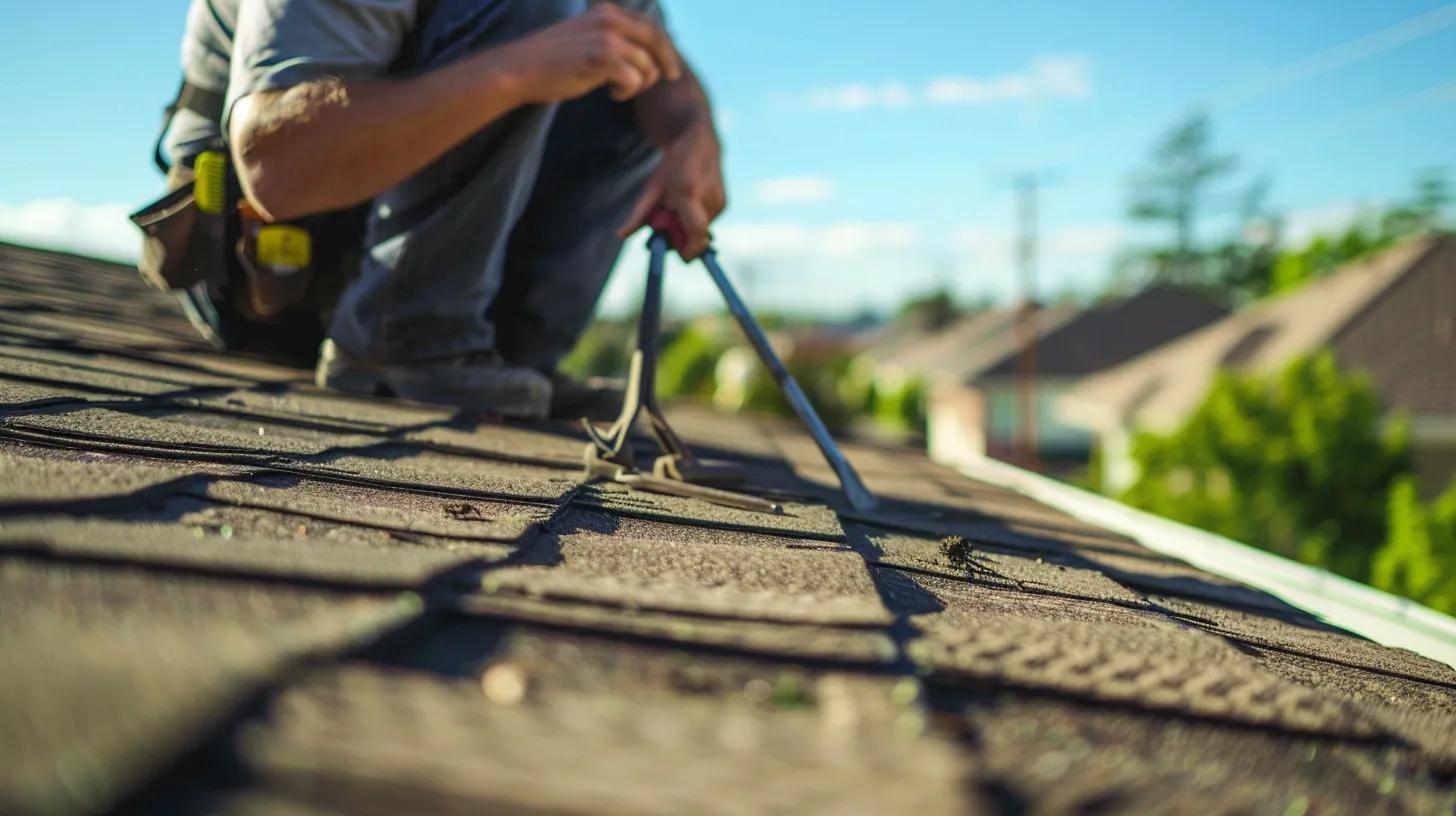
Roof replacement and repair are essential processes that homeowners must consider when maintaining their properties. Signs that indicate a need for roof replacement include damaged shingles, rotted sheathing, and frequent leaks, particularly if the roof is over 20 years old. It is crucial to consult a professional to identify hidden issues and ensure the roof's integrity. Professional help can prevent further damage and costly repairs down the line.

Signs You Need a Roof Replacement

  1. Damaged Shingles: Look for missing, cracked, or curling shingles that compromise the roof's integrity.
  2. Frequent Leaks: If leaks occur regularly, especially during heavy rain, it may indicate underlying issues.
  3. Age of the Roof: Roofs older than 20 years often require replacement due to wear and tear.

Importance of Professional Help

Consulting a roofing professional is essential for accurately assessing the condition of your roof. They can identify hidden problems that may not be visible to the untrained eye, ensuring that necessary repairs or replacements are conducted effectively.

Roofing Materials

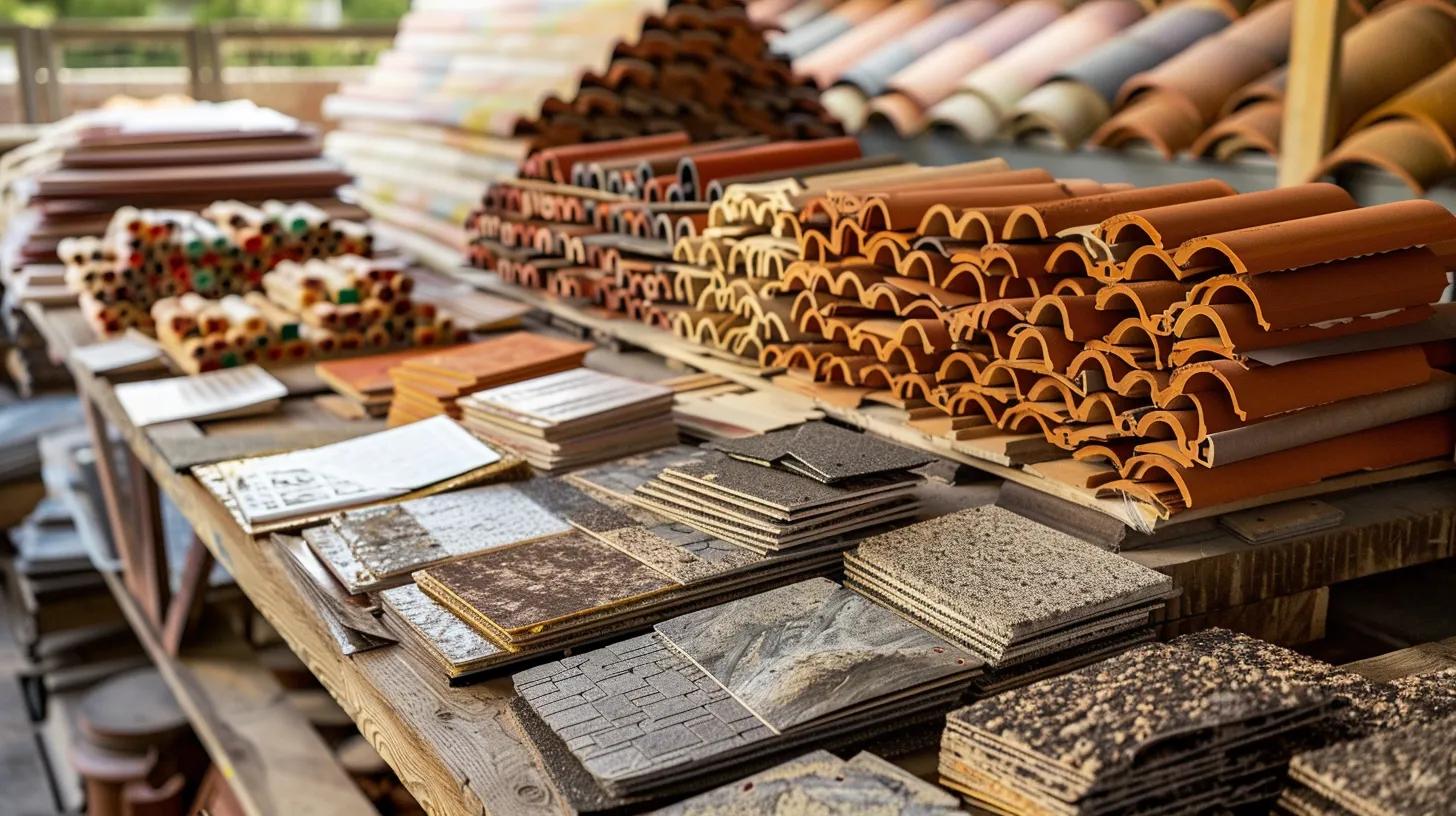
Choosing the right roofing material is crucial for ensuring durability and performance, especially in Texas's diverse climate. Various materials are available, each with its own advantages and disadvantages. Understanding these options can help homeowners make informed decisions that suit their needs and budget.

Types of Roofing Materials

  1. Asphalt Shingles: Affordable and easy to install, making them a popular choice for many homeowners.
  2. Metal Roofing: Known for its durability and energy efficiency, metal roofing can withstand extreme weather conditions.
  3. Tile Roofing: Offers a unique aesthetic appeal and longevity, but can be more expensive than other options.

Material Suitability for Texas Weather

Texas weather demands roofing materials that can withstand intense heat, heavy rains, and hail. Homeowners should consider materials that offer both durability and energy efficiency to reduce cooling costs during the hot summer months.

Maintenance Practices

Regular maintenance is key to extending the lifespan of a roof. Homeowners should adopt best practices to ensure their roofs remain in good condition and to prevent costly repairs.

Routine Inspections

Conducting visual inspections at least twice a year can help identify potential issues before they escalate. Homeowners should check for signs of wear, such as missing shingles or debris accumulation.

Preventative Maintenance Tips

  1. Remove Debris: Regularly clear leaves and branches from the roof to prevent water pooling.
  2. Check for Leaks: Inspect the interior of the home for signs of water damage, which may indicate roof leaks.
  3. Schedule Professional Maintenance: Annual inspections by a roofing professional can help catch issues early.

Cost Considerations

Understanding the factors that influence the cost of roof replacement is essential for homeowners. Various elements can affect pricing, including material choice, labor costs, and the complexity of the installation.

Factors Influencing Costs

  1. Material and Labor Costs: The type of roofing material selected and the labor required for installation significantly impact the overall expense.
  2. Roof Size and Complexity: Larger roofs or those with complex designs may incur higher costs due to increased labor and materials.
  3. Location: Regional differences in labor costs and material availability can also affect pricing.

Financing Options Available

Homeowners may explore various financing options to cover replacement costs, including personal loans, home equity loans, or insurance claims. Understanding these options can help alleviate the financial burden associated with roof replacement.

Material TypeAverage Cost per Square FootLifespanEnergy Efficiency
Asphalt Shingles$3 - $515-30 yearsModerate
Metal Roofing$7 - $1240-70 yearsHigh
Tile Roofing$10 - $2050+ yearsModerate

This table illustrates the cost and longevity of different roofing materials, helping homeowners make informed decisions based on their budget and needs.

Navigating Insurance Claims

Handling insurance claims for roof damage can be a daunting process for homeowners. Understanding the steps involved can simplify the experience and ensure that claims are processed efficiently.

Understanding Your Policy

Familiarizing yourself with your homeowners insurance policy is crucial. Homeowners should know what types of damage are covered, especially for storm-related incidents.

Indeed, severe weather events like hail can lead to substantial insured losses, highlighting the critical need for homeowners to be well-versed in their insurance policies.

Texas Hail Damage: Insurance Claims & Roofing Costs

ABSTRACT: AbstractA series of thunderstorms on 24 May 2011 produced significant hail in the Dallas–Fort Worth (DFW) metroplex, resulting in an estimated $876.8 million (U.S. dollars) in insured losses to property and automobiles, according to the Texas Department of Insurance. Insurance claims and policy-in-force data were obtained from five insurance companies for more than 67 000 residential properties located in 20 ZIP codes. The methodology for selecting the 20 ZIP codes is described. This study evaluates roofing material type with regard to resiliency to hailstone impacts and relative damage costs associated with roofing systems versus wall systems.

Evaluating hail damage using property insurance claims data, 2015

Documenting Damage

Taking detailed photographs and making a list of affected items can support your claim. Proper documentation is essential for a smooth claims process.

Expert Insights

Choosing a qualified roofing contractor is vital for ensuring quality work and customer satisfaction. Homeowners should consider several factors when selecting a contractor.

Choosing a Qualified Contractor

  1. Check Credentials: Ensure the contractor is licensed and insured to protect against liability.
  2. Local Expertise: A contractor familiar with Texas weather conditions will better understand the specific needs of your roof.
  3. Customer Service: Look for a contractor that prioritizes communication and customer satisfaction.

Mr Roof Fix is highlighted for its commitment to quality and customer service, making it a reliable choice for homeowners in Texas seeking roofing solutions.

Importance of Local Expertise

Local contractors are often more familiar with the specific challenges posed by Texas weather, ensuring that they can provide tailored solutions for homeowners.

Customer Service Considerations

Selecting a roofing company that values customer service can lead to a more positive experience. Transparent communication and responsiveness are key factors to consider.

Residential Roofing FAQ for Houston and Texas Homeowners

What is the typical cost of roof replacement in Houston?

The cost varies depending on the roofing material, roof size, and complexity, but generally ranges from $3 to $20 per square foot. Asphalt shingles are the most affordable, while tile roofing tends to be the most expensive.

Do I need a permit to replace my roof in Houston?

Yes, the City of Houston requires permits for roof replacement to ensure compliance with building codes and safety standards. Your contractor often handles this process.

How long does a residential roof last in Houston’s climate?

Lifespan depends on the material; asphalt shingles last about 15-30 years, metal roofing 40-70 years, and tile roofing 50+ years. Proper maintenance and climate considerations can impact longevity.

How does Houston's climate affect my roofing choice?

Materials must resist high humidity, strong UV rays, and hurricane-force winds. Impact resistance, moisture management, and heat reflectivity are critical selection criteria.

Can I make an insurance claim for roof damage after a storm?

Yes, if your policy covers storm damage, you can file a claim. Proper documentation and professional roof inspections will aid the claim process.

What maintenance should I perform to extend my roof’s lifespan?

Regular inspections, debris removal, checking for leaks, and annual professional maintenance will help preserve your roof’s condition in Houston’s climate.

Are there energy-efficient roofing options suitable for Houston?

Yes, options such as metal roofs with reflective coatings or light-colored shingles can improve energy efficiency by reducing heat absorption.

How do I choose a reliable roofing contractor in Houston?

Verify licenses and insurance, ask for local references, ensure familiarity with Houston’s climate challenges, and prioritize contractors with strong customer service records.

49 50 57