My Website
/* Inline styles converted to CSS */ .metasync-inline-1 { border-collapse: collapse; } .metasync-inline-2 { border: 1px solid rgb(193,193,193); padding: 6px; background-color: rgb(233,233,233); text-align: center; } .metasync-inline-3 { border: 1px solid rgb(193,193,193); padding: 6px; background-color: rgb(233,233,233); text-align: center; } .metasync-inline-4 { border: 1px solid rgb(193,193,193); padding: 6px; background-color: rgb(233,233,233); text-align: center; } .metasync-inline-5 { border: 1px solid rgb(193,193,193); padding: 6px; background-color: rgb(233,233,233); text-align: center; } .metasync-inline-6 { border: 1px solid rgb(193,193,193); padding: 6px; background-color: rgb(233,233,233); text-align: center; } .metasync-inline-7 { border: 1px solid rgb(193,193,193); padding: 6px; } .metasync-inline-8 { border: 1px solid rgb(193,193,193); padding: 6px; } .metasync-inline-9 { border: 1px solid rgb(193,193,193); padding: 6px; } .metasync-inline-10 { border: 1px solid rgb(193,193,193); padding: 6px; } .metasync-inline-11 { border: 1px solid rgb(193,193,193); padding: 6px; } .metasync-inline-12 { border: 1px solid rgb(193,193,193); padding: 6px; } .metasync-inline-13 { border: 1px solid rgb(193,193,193); padding: 6px; } .metasync-inline-14 { border: 1px solid rgb(193,193,193); padding: 6px; } .metasync-inline-15 { border: 1px solid rgb(193,193,193); padding: 6px; } .metasync-inline-16 { border: 1px solid rgb(193,193,193); padding: 6px; } .metasync-inline-17 { border: 1px solid rgb(193,193,193); padding: 6px; } .metasync-inline-18 { border: 1px solid rgb(193,193,193); padding: 6px; } .metasync-inline-19 { border: 1px solid rgb(193,193,193); padding: 6px; } .metasync-inline-20 { border: 1px solid rgb(193,193,193); padding: 6px; } .metasync-inline-21 { border: 1px solid rgb(193,193,193); padding: 6px; } .metasync-inline-22 { border: 1px solid rgb(193,193,193); padding: 6px; } .metasync-inline-23 { border: 1px solid rgb(193,193,193); padding: 6px; } .metasync-inline-24 { border: 1px solid rgb(193,193,193); padding: 6px; } .metasync-inline-25 { border: 1px solid rgb(193,193,193); padding: 6px; } .metasync-inline-26 { border: 1px solid rgb(193,193,193); padding: 6px; }

Discover Latest Roofing Materials: Durability and Energy Efficiency Guide for Houston Homes

Selecting the right "roofing materials" for your home in Houston can significantly impact its durability and energy efficiency. Understanding the various options available helps homeowners make informed decisions, ensuring they select materials that withstand the unique climate of the region. This guide delves into modern roofing materials that blend durability and energy efficiency, aiming to aid homeowners in Houston in their selection process. With factors such as Houston's humidity, heat, and the demands of varying weather conditions at play, its essential to evaluate how these materials perform under local circumstances. Well explore different types of roofing materials, their benefits, and how they stack up against each other in terms of longevity and efficiency. Key sections of this article will include the most durable materials, energy efficiency technologies, climate influences, contractor selection, and cost considerations.

Which Are the Most Durable Roofing Materials for Houston Homes?
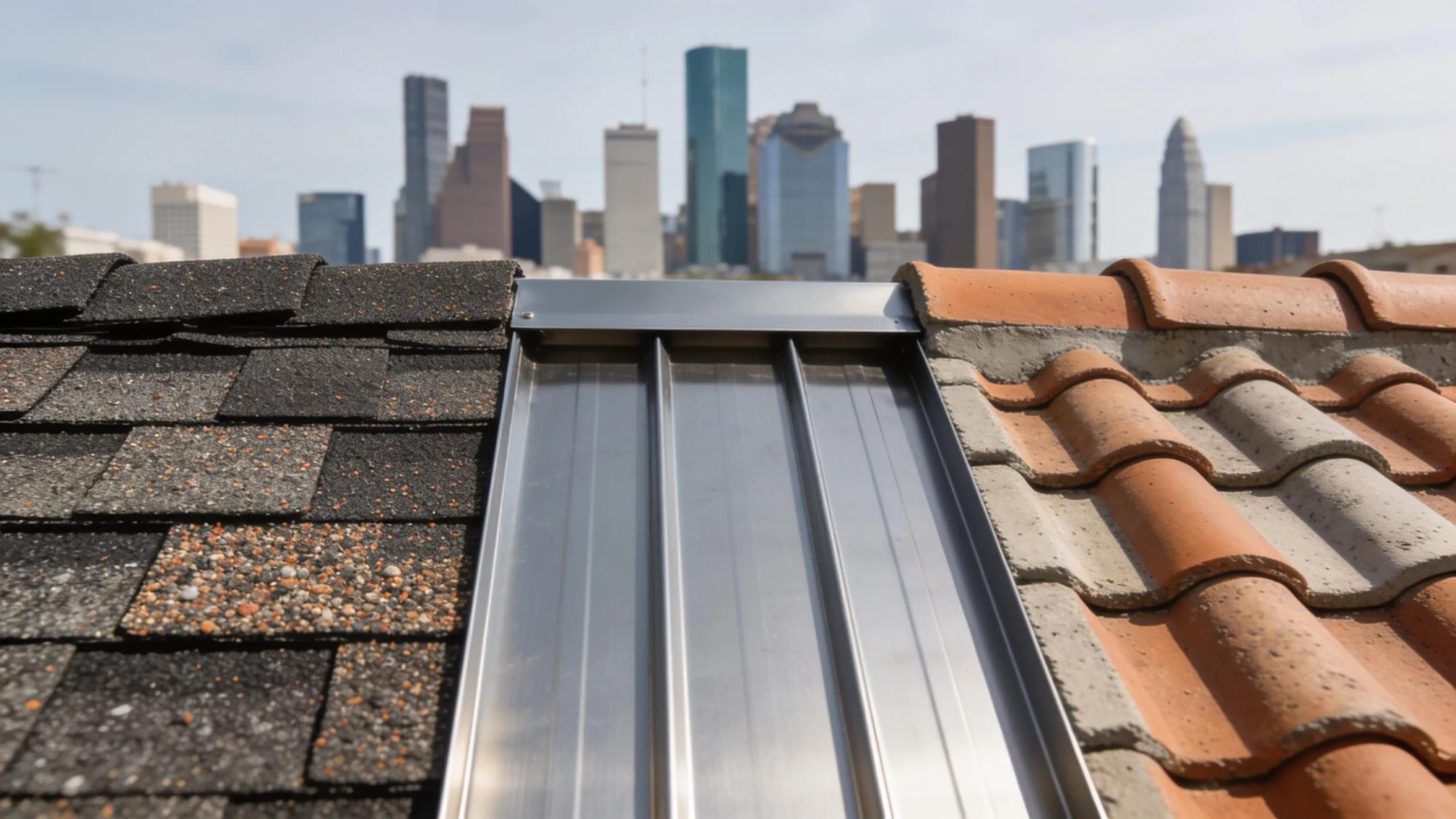
When considering roofing materials, durability is paramount, especially in climates like Houston's where heat and humidity can take their toll. Homeowners should focus on materials known for their excellent service life and adaptability to extreme weather conditions. Asphalt shingles, metal roofing, and tile roofs are among the materials that stand out in terms of longevity and resilience against harsh elements.

How Do Asphalt Shingles Compare in Durability and Lifespan?

Asphalt shingles are one of the most widely used roofing materials due to their cost-effectiveness and variety of styles. They typically have a lifespan of 15-30 years, but factors such as installation quality and climate conditions can affect their longevity. Compared to "metal roofing", which can last up to 50 years, asphalt shingles are generally less durable but still provide decent performance when properly maintained. Newer innovations in asphalt shingles, such as the GAF Timberline CS Cool Series, CertainTeed Landmark Solaris, and Owens Corning Duration Premium Cool lines, offer extended warranties and improved resistance to winds and heat, helping them stand up in Houstons often trying weather conditions.

What Are the Benefits of Metal Roofing in Houston's Climate?

Metal roofing offers remarkable durability, often lasting between 40 to 70 years, making it an excellent investment for homeowners. In Houstons humid climate, metal roofs provide the added advantage of reflecting heat, thereby enhancing energy efficiency and reducing cooling costs. With Solar Reflectance Index (SRI) ratings typically ranging from 28 to 70, standing seam metal roofs reflect a significant portion of solar radiation compared to traditional materials. This reflection can reduce summer cooling loads by an estimated 10-15%, translating into meaningful electricity bill savings. Additionally, metal roofs withstand high winds (some rated for Gulf Coast hurricane winds up to 150 MPH), mold resistance, and often carry Class 4 impact resistance ratings (UL 2218), which can provide homeowners with up to 20-30% discounts on insurance premiums, especially when compliant with Texas Department of Insurance (TDI) Windstorm certification requirements for coastal areas.

What Energy Efficiency Technologies Improve Houston Roof Performance?
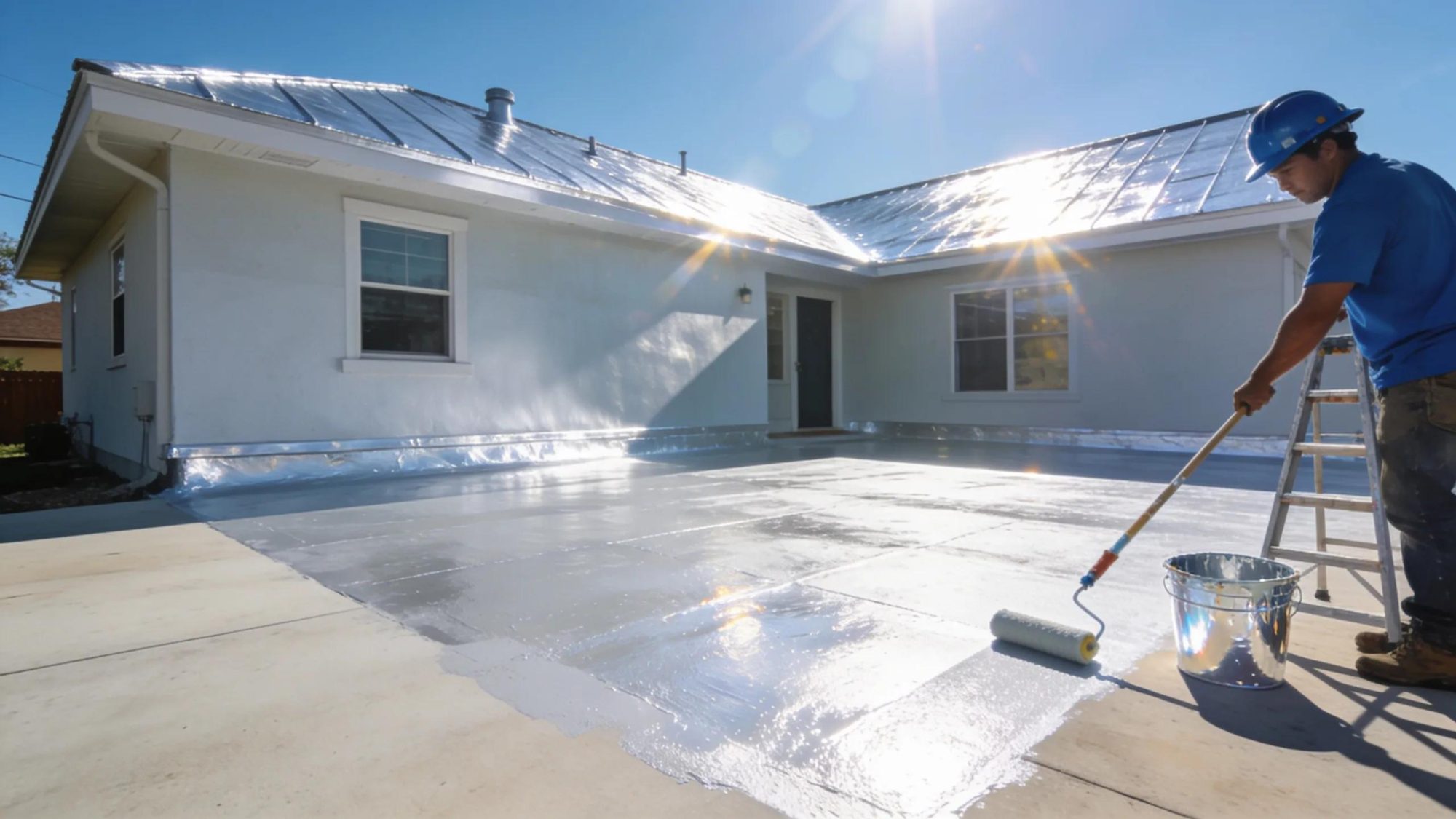
Energy efficiency remains a key concern for homeowners in Houstons climate. Innovative roofing technologies are designed to improve energy performance while providing protection. Solutions like "cool roof coatings" and advanced insulation materials can significantly enhance a roofs thermal performance. Furthermore, integrating radiant barrier OSB roof decking with reflective foil backing combined with balanced attic ventilation en adhering to the 1:300 ventilation rule for soffit and ridge vents optimizes energy efficiency and helps mitigate heat transfer from the roof to the living space.

How Do Cool Roof Coatings Reduce Heat Absorption?

Cool roof coatings utilize reflective materials that limit heat absorption, making buildings more energy efficient. By reflecting sunlight, these coatings can reduce roof surface temperatures significantly, ultimately minimizing the heat transferred into the building. In Houston, where significant cooling expenses arise due to high temperatures, applying a cool roof coating can lead to substantial savings on energy bills and improved indoor comfort levels. Research confirms that specialized cool coatings are among the most effective strategies for maintaining interior comfort in hot and humid environments.

Cool Roof Coatings vs. PV: Thermal Performance in Humid Climates

The results demonstrated that all RMSs outperformed a reference roof in reducing both interior and exterior temperatures, with cool coating roof exhibiting the best thermal performance in summer. The ranking of the internal thermal performance of RMS in summer from best to worst was as follows: cool coating roof, PV cool coating roof and PV roof.

Thermal performance analysis for roofs with heat mitigation strategies in subtropical hot and humid regions, Y He, 2025

Which Insulation Technologies Enhance Roof Thermal Performance?

Insulation plays a crucial role in maintaining a comfortable indoor temperature and reducing energy consumption. Advanced insulation technologies like spray foam insulation or reflective insulation can greatly improve a roofs thermal performance. In Houston, these systems help minimize heat gain during the warmer months, ensuring homes remain cool and reducing reliance on air conditioning.

How Does Houstons Climate Affect Roofing Material Performance and Longevity?

Houstons climate, characterized by high humidity and extreme heat, poses unique challenges for roofing materials. Understanding how these conditions affect material durability can guide homeowners in selecting suitable options.

What Weather Conditions Challenge Roof Durability in Houston?

The combination of high temperatures and moisture can accelerate the deterioration of roofing materials. Rainfall, especially during hurricane season, can lead to issues such as leaks and structural damage if roofs are not appropriately designed to handle the local conditions. Continuous exposure to humidity can also promote mold and algae growth, which can deteriorate materials over time.

How Do Building Regulations Influence Roofing Material Choices?

Local building regulations play a crucial role in determining roofing material choices. These codes are designed to ensure that selected materials can withstand Houstons weather conditions while meeting safety standards. Homeowners should familiarize themselves with these regulations to ensure compliance and enhance their roofss longevity. Particularly, adherence to Texas Department of Insurance (TDI) Windstorm certification requirements is critical for homes located in the coastal tier of the Houston area, ensuring roofing materials meet high wind resistance and impact standards.

How to Choose the Right Roofing Contractor for Houston Homes?

Selecting a qualified roofing contractor is as critical as choosing the right materials. Homeowners should prioritize contractors who specialize in local installations and understand the unique challenges posed by Houstons climate.

What Questions Should You Ask Houston Roofing Contractors?

When interviewing potential contractors, consider asking the following questions:

  1. Experience Level: How long have you been in the roofing business?
  2. Insurance: Do you have liability insurance and workerss compensation?
  3. Warranties Provided: What type of warranty do you offer on your work?
  4. Certification and Compliance: Are you certified to install cool roofing materials like the GAF Timberline CS Cool Series or CertainTeed Landmark Solaris? Do you comply with TDI Windstorm standards?

These questions help ensure that homeowners choose knowledgeable contractors who can provide quality workmanship and meet local climate requirements.

Which Certifications and Services Ensure Quality Roofing Installation?

Choosing a contractor with the right certifications can provide an extra layer of assurance regarding installation quality. Look for contractors who are licensed, insured, and hold certifications from recognized roofing material manufacturers, indicating their capability to perform installations according to industry standards.

What Are the Cost and Maintenance Considerations for Houston Roofing Materials?

Cost and maintenance are significant factors that homeowners must consider when choosing roofing materials. The upfront price will vary depending on the material, but long-term maintenance needs should also be factored into the decision.

How Do Installation Costs Vary Between Asphalt, Metal, and Tile Roofs?

Installation costs vary widely based on the material. Typically, asphalt shingles represent a more budget-friendly option, ranging from $3 to $7 per square foot. Metal roofs can cost between $7 and $14 per square foot, reflecting their durability. Tile roofs, while more aesthetically pleasing, generally come with the highest installation costs, averaging $10 to $20 per square foot, due to the complexity of installation and the weight of the materials.

What Is the Recommended Maintenance Frequency for Different Roofing Types?

Regular maintenance is essential for prolonging the life of any roofing system. For asphalt shingles, a bi-annual inspection is recommended, focusing on checking for curling, missing shingles, or debris accumulation. Metal roofs should also be inspected regularly, with particular attention to seams and sealants. Tile roofs may require less frequent inspections but ensure to check for cracked tiles or debris that can trap moisture.

Cool Roofing Materials Comparison Table

Estimate Your Cool Roof Replacement Cost Today

Houston and Pasadena homeowners seeking to upgrade to energy-efficient, durable cool roofing materials can quickly estimate their replacement costs using our specialized local tool. The Pasadena Instant Roof Estimate tool provides reliable instant pricing tailored to your homes specifications and Houstons climate challenges.

Frequently Asked Questions

1. What impact does humidity have on roofing materials in Houston?

Humidity in Houston can significantly influence the longevity and performance of roofing materials. Excess moisture can lead to mold, algae, and mildew growth, particularly on organic materials like asphalt shingles. These conditions can cause early deterioration and possibly lead to leaks. To combat these issues, homeowners should consider materials that are specially designed for humid environments, such as metal or concrete tiles, which resist such growth and maintain integrity longer.

2. Are there eco-friendly roofing materials suitable for Houston?

Yes, there are several eco-friendly roofing materials that are ideal for Houstons climate. Options include reflective metal roofs, recycled shingles, and green roofs that incorporate vegetation. These materials not only enhance energy efficiency but also contribute to environmental sustainability by reducing heat absorption and promoting insulation. Homeowners interested in eco-friendly choices should also consider materials that are renewable or recyclable to further minimize their ecological footprint.

3. How can I improve the energy efficiency of my existing roof?

Improving the energy efficiency of an existing roof can be achieved through several methods. Adding a cool roof coating can greatly reduce heat absorption, while upgrading insulation helps maintain interior temperatures. Additionally, ensuring proper ventilation prevents heat buildup in the attic, which contributes to energy savings. Homeowners should also consider the installation of energy-efficient skylights, which can enhance natural light while reducing heat buildup.

4. What are the signs of roof damage I should look out for?

Homeowners should regularly check for several key signs of roof damage to ensure longevity. Common indicators include missing or damaged shingles, leaks or water stains on ceilings, and visible sagging between rafters. Additionally, excessive granule loss from shingles can signal deterioration. Its also important to inspect for mold or mildew growth, which can point to moisture retention issues requiring immediate attention to prevent further damage.

5. What warranties should I expect for roofing materials in Houston?

Warranties for roofing materials in Houston can vary widely depending on the type and brand. Generally, asphalt shingles offer warranties ranging from 20 to 50 years, while metal roofs can have warranties lasting up to 40 years or more. Tile roofs typically provide warranties for similar durations, but many come with guarantees for durability against specific climate-related damages. Always review and verify the warranty thoroughly, ensuring it covers defects and installation errors. Learn more about roofing warranties in Houston.

6. How does the slope of my roof affect material choice?

The slope of a roof significantly influences the choice of roofing materials, especially in areas prone to heavy rain like Houston. Steeper roofs can shed water more efficiently and can accommodate a wider range of materials including shingles and tiles. Conversely, low-slope roofs require materials that can withstand water pooling, such as membranes or specially-designed asphalt shingles. Matching the material to the roof slope is vital for ensuring effective drainage and preventing leaks.

7. Is DIY roof installation advisable in Houstons climate?

While some homeowners may consider DIY roof installation to save costs, its generally not advisable, especially in Houstons challenging climate. Roofing requires specialized skills and knowledge to handle unique weather patterns effectively. Improper installation can lead to significant issues such as leaks, poor ventilation, and reduced material life. Its often better to hire licensed contractors familiar with local building codes and climate considerations to ensure durability and compliance with regulations. For those concerned about upfront costs, explore available roofing financing options to make smart and affordable decisions.

49 50 57