

Cost Estimates:
Factors Influencing Flat Roof Costs
- Size of the Roof: Larger roofs will naturally incur higher costs due to the increased materials and labor required.
- Material Selection: Choosing TPO or other roofing materials can impact overall expenditures, as each type has different pricing structures.
- Roof Condition: Existing damage, structural issues, or the need for additional repairs can significantly affect the cost of replacement.
Benefits of TPO Roofing:
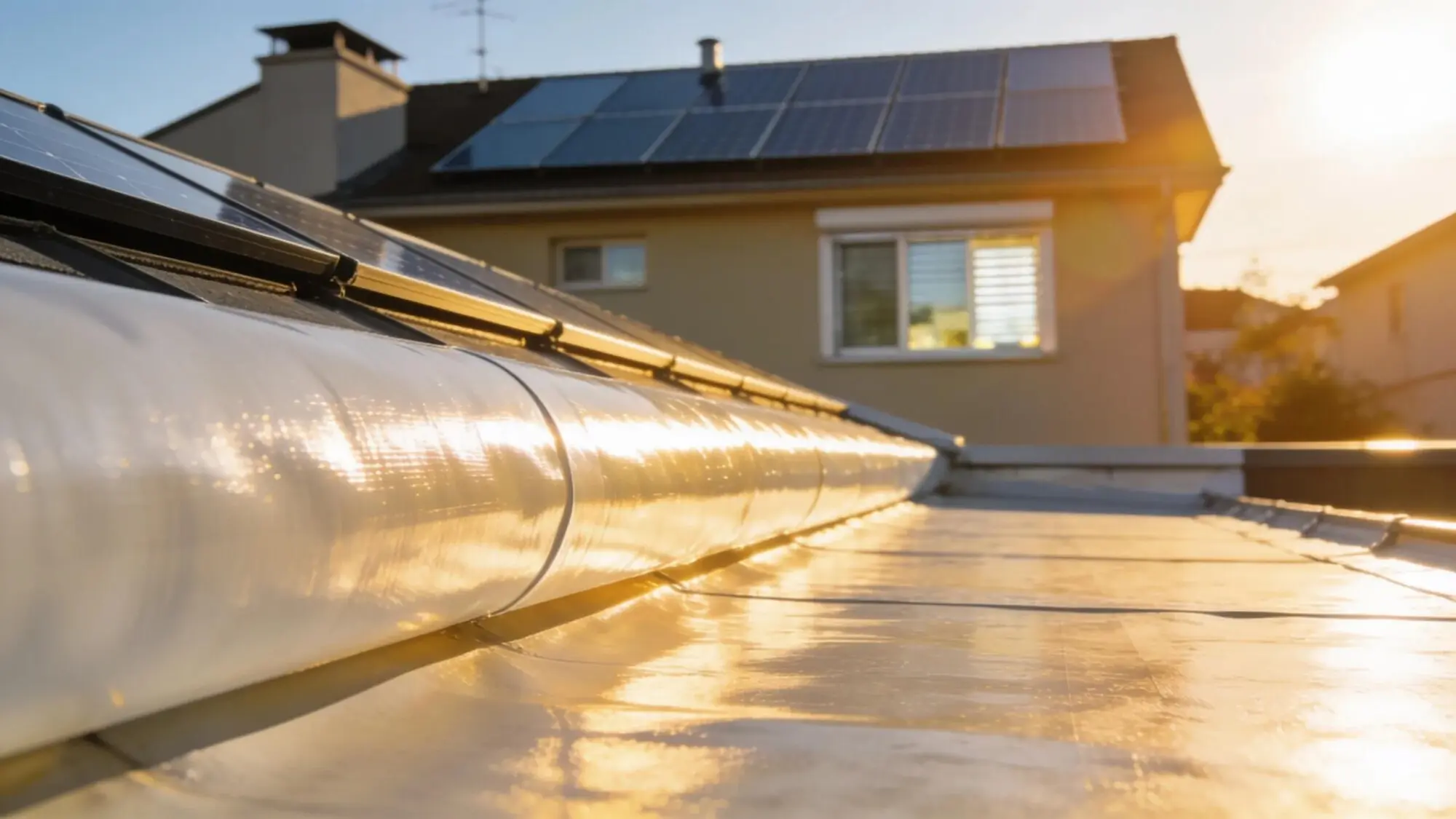
- Durability: TPO roofing membranes are resistant to UV rays, chemicals, and punctures, which enhances their lifespan and reliability.
- Energy Efficiency: The reflective properties of TPO help reduce cooling costs by reflecting sunlight, an essential factor for homes and businesses in Houston’s hot climate.
- Cost-Effectiveness: TPO is generally more affordable than many other roofing options, ensuring excellent value for property owners without compromising quality.
Installation Procedures:
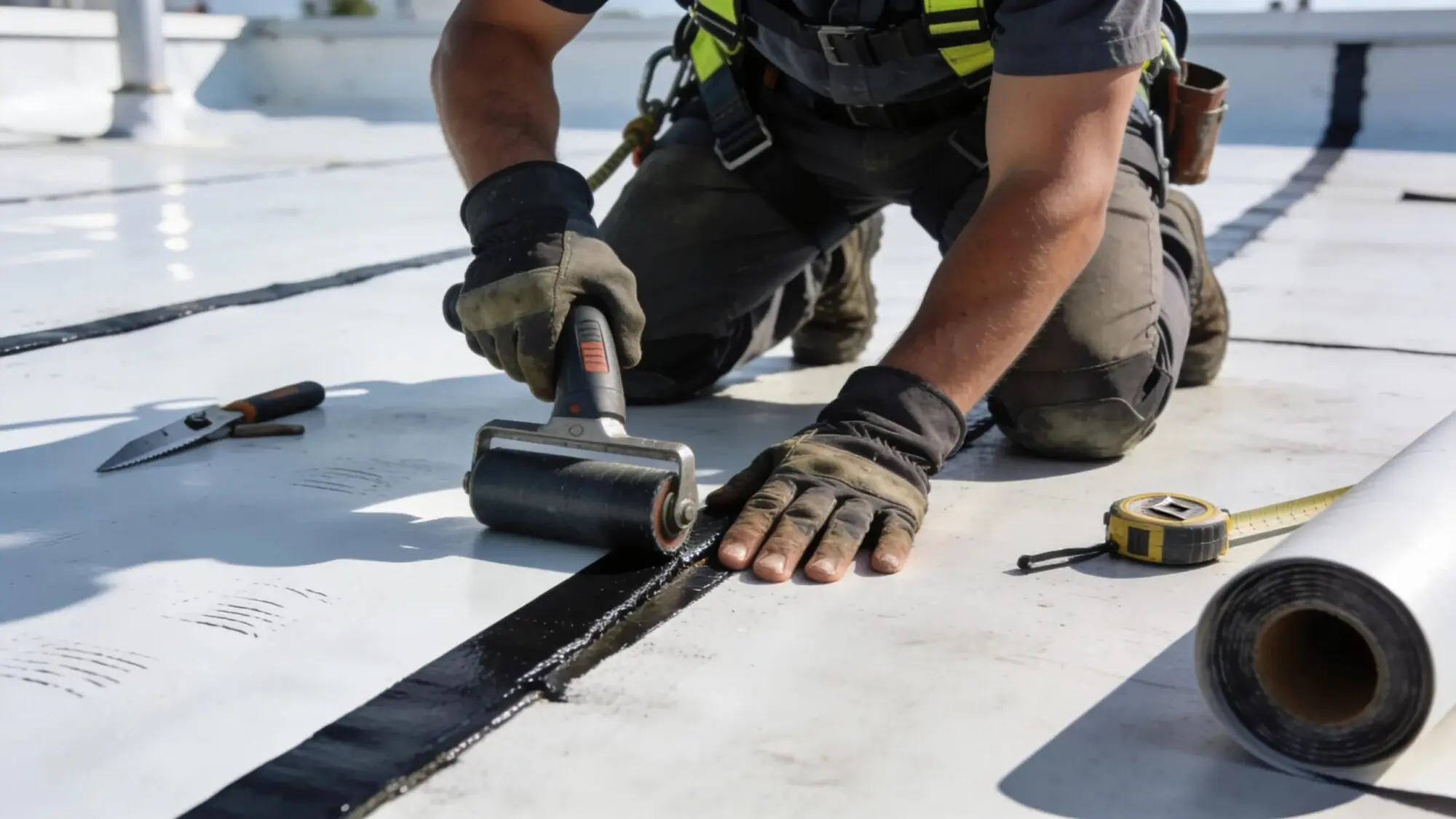
- Assessment and Preparation: The existing roof conditions are thoroughly evaluated to plan the necessary steps for a successful installation.
- Installation Process: This typically involves laying down the TPO membrane and ensuring proper sealing to prevent leaks.
- Final Inspection: Comprehensive checks ensure all quality standards are met, allowing you to rest easy knowing your new roof is reliable.
Key Considerations During Installation
- Warranty Details: Understanding the warranties offered with TPO roofing materials can help in planning long-term maintenance.
- Environmental Impact: Using TPO can contribute to sustainability efforts, as it is fully recyclable.
- Local Building Codes: Repairs and replacements must adhere to Houston’s specific building codes and regulations, which can influence the installation process.
Specific Considerations for the Local Market:
- Weather Conditions: Houston's humid subtropical climate necessitates using durable materials like TPO that can withstand heavy rainfall and high temperatures.
- Local Regulations: Adhering to strict local building codes is essential for ensuring safety and legality in your roofing project. Compliance will help avoid fines and delays in project completion.
- Financing Options: Many contractors offer financing solutions to help homeowners and business owners manage the costs associated with flat roof installation.
How Is Flat Roof Repair Cost Calculated for Commercial and Residential Properties?
- The type of damage (e.g., leaks, ponding water, damaged membranes)
- Accessibility to the roof
- Materials required for the repair
Which Houston Climate Factors Affect Flat Roof Replacement Expenses?
- Precipitation: Frequent rain can lead to pooling water on flat roofs, which requires careful design and materials.
- Temperature Fluctuations: The heat can affect the expansion and contraction of roofing materials, leading to potential vulnerabilities.
- Humidity: High humidity levels may contribute to mold and rot, necessitating the use of moisture-resistant materials.
What Are the Key Benefits and Characteristics of TPO Roofing Membranes?
- Longevity: TPO roofs can last 15-30 years with proper maintenance, reducing the need for frequent replacements.
- Reflective Properties: TPO’s reflective surface can lower cooling costs significantly, making it an attractive option for commercial and residential properties in sunny climates.
- UV and Chemical Resistance: TPO's design inherently provides additional protection against UV rays and various chemicals, ensuring that the roof maintains its integrity in challenging environments.
How Does TPO Roofing Compare to Alternative Flat Roof Materials?
| Material | Cost per Square Foot | Lifespan | Energy Efficiency | Maintenance |
|---|---|---|---|---|
| TPO | $4 - $8 | 15-30 years | Excellent | Moderate |
| EPDM | $4 - $6 | 10-20 years | Moderate | Low |
| PVC | $4 - $7 | 15-25 years | Good | Moderate |
What Is the Typical Lifespan and Energy Efficiency Performance of TPO Roofs?
- Lifespan: With proper installation and maintenance, TPO roofs can last up to 30 years. Their durability against harsh weather could result in fewer replacements and repairs over time.
- Energy Performance: TPO’s reflective nature helps reduce heat absorption, which can lead to significant savings on energy costs, especially in hotter climates like Houston.
What Is the Standard Procedure for Commercial Flat Roof Installation Using TPO Membranes?
- Initial Assessment: An assessment of the current roofing condition is conducted before any installation work begins.
- Preparation Work: This includes cleaning the rooftop surface and making necessary repairs to substrate materials.
- Membrane Application: The TPO membrane is loosely laid, mechanically attached, or fully adhered depending on the chosen installation method.
- Sealing and Inspection: All seams and edges are securely sealed to prevent leaks, followed by a thorough inspection to ensure quality standards.
How Do Professional Roofing Contractors in Houston Manage Flat Roof Replacement Projects?
- Project Assessment: The first step involves assessing the current roof and identifying any underlying issues.
- Planning and Design: After the assessment, contractors create a tailored plan that includes timelines, costs, and materials needed for replacement.
- Execution: Once elements are finalized, the installation begins, often involving a team of skilled professionals to ensure quality and efficiency.
- Post-Installation Follow-Up: After the new roof is installed, reputable contractors will often check in to ensure satisfaction and discuss maintenance programs.
How Should Flat Roofs Be Maintained to Maximize Durability and Performance in Houston?
- Regular Inspections: Schedule inspections at least twice a year to catch any issues early on.
- Clean Gutters and Drains: Keeping drains clear prevents water accumulation and potential leaks.
- Address Repairs Promptly: Small cracks or punctures should be sealed immediately to prevent further damage.
What Are Effective Flat Roof Insulation Options to Enhance Energy Efficiency?
- Polyisocyanurate Insulation: Known for its high insulation value, this option offers better thermal resistance and contributes to reducing overall energy costs.
- Extruded Polystyrene (XPS) Insulation: This type is well-regarded for its moisture resistance, making it ideal for flat roofing applications.
- Spray Foam Insulation: This adaptable insulation fills gaps and provides a seamless barrier against air and moisture intrusion.
Which Routine Maintenance Practices Prevent Common Flat Roof Failures?
- Regularly Inspect for Wear and Tear: Routine checks can catch potential problems before they escalate.
- Clear Accumulated Debris: Leaves, branches, and other debris should be removed to avoid drainage problems.
- Maintain Seams and Joints: Inspect and repair seams and joints annually to prevent leaks from forming.
How Do Environmental and Regulatory Factors Influence Flat Roof Replacement and TPO Selection in Houston?
- Building Codes: Compliance with Houston’s building regulations ensures that roofs meet specific safety and performance standards, including moisture control and fire resistance.
- Sustainability Practices: Eco-friendly roofing options are increasingly being favored, highlighting the importance of selecting materials that align with sustainability goals.
- Weather Patterns: The local climate necessitates roofing solutions that can withstand humidity and heavy rains, influencing material choice towards durable options like TPO.
What Are the Latest Houston Building Codes Impacting Flat Roof and TPO Installations?
- Fire Resistance Requirements: Certain materials must meet prescribed fire ratings.
- Structural Integrity Standards: Recommendations for wind uplift and other structural concerns are detailed in local codes.
- Stormwater Management Practices: Regulations ensure that flat roofs can adequately manage runoff water, contributing to overall urban infrastructure planning.