

Comprehensive Guide to Hail Damage Roof Repair Services in Houston: Inspection, Insurance Claims, and Repair Options
Inspection Processes
What Are the Key Items on a Roof Hail Damage Inspection Checklist?
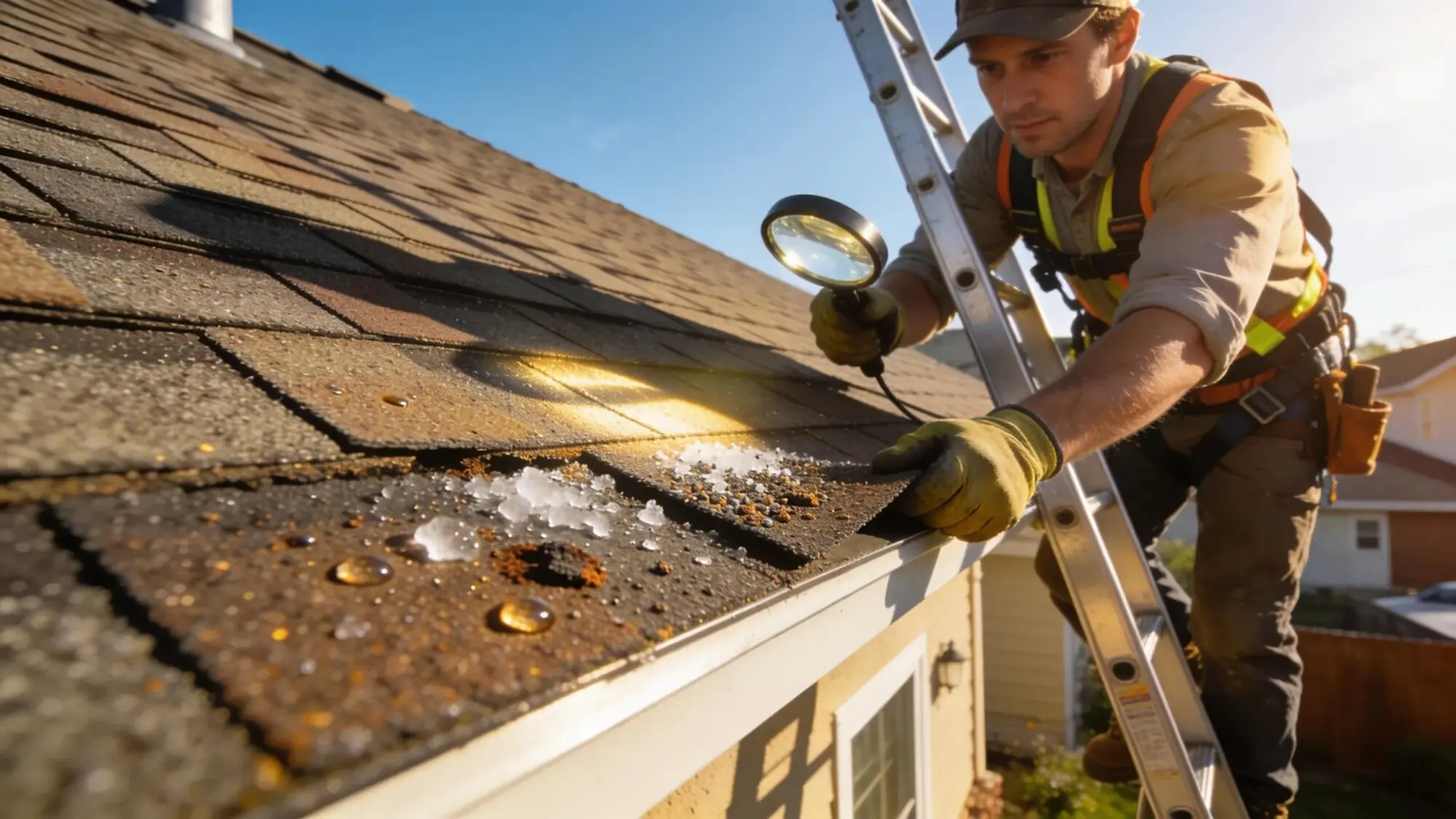
- Shingle Condition: Inspect for any cracks or missing shingles caused by hail impacts.
- Flashing and Sealants: Check metal flashing around chimneys and vents for dents or gaps that might leak.
- Gutters and Downspouts: Assess for damage or obstructions that hinder proper drainage.
- Structural Integrity: Evaluate the overall condition of the roof structure to identify any hidden issues.
How Do Roof Repair Contractors Assess Hail Damage Severity in Houston?
- Visual Inspection: Initial observation of the roof's exterior to identify visible or obvious damage.
- Detail Examination: Using specialized tools to inspect shingles for granule loss and to evaluate the condition of flashing and underlayment materials.
- Documentation: Gathering evidence through photographs and detailed notes that will assist in insurance claims and repair proposals.
Insurance Claim Procedures
What Is the Step-by-Step Process for Filing a Hail Damage Insurance Claim in Houston?

- Notify Your Insurance Provider: Contact your insurance company to report the hail damage immediately.
- Document the Damage: Take clear photographs and make notes on the extent of the damage to support your claim.
- Schedule a Professional Inspection: Engage a roofing contractor to assess the damage and provide a written report.
- Submit Your Claim: Fill out and submit the claim forms while providing all supporting documentation.
- Follow Up: Maintain communication with your insurance adjuster to ensure your claim is being processed efficiently.
How Does Proper Documentation Support Your Roof Hail Damage Insurance Claim?
- Evidence of Damage: Photos and detailed inspection reports provide clear evidence that supports your claim to the insurance provider.
- Meeting Policy Requirements: Many policies require specific documentation; adhering to these requirements can prevent delays or denials.
- Professional Assessments: Endorsing the findings of a knowledgeable roofing contractor lends credibility to your claim and assists in regulatory compliance.
Repair Options Available for Homeowners
What Are the Cost Considerations for Hail Damage Roof Repair and Replacement in Houston?
- Extent of Damage: The more extensive the damage, the higher the expected repair costs.
- Material Choice: Different roofing materials (asphalt shingles, metal, etc.) have varying costs, affecting overall expenditure.
- Labor: The complexity of repairs might require more labor hours, impacting the total cost.
How Do Repair Costs Compare to Full Roof Replacement After Hail Damage?
- Minor repairs may range from a few hundred to a thousand dollars, depending on issues like patching up gaps and replacing individual shingles.
- In contrast, complete replacements can range from $5,000 to $15,000 or more, depending on the roofing material and square footage.
What Local Factors Influence Pricing of Hail Damage Roof Repairs in Houston?
- Market Demand: High demand for repair services after storms can lead to increased pricing.
- Material Availability: The cost of roofing materials may fluctuate based on local supply chains.
- Seasonal Weather Patterns: Certain times of the year might see more competition for roofing services, affecting availability and pricing.
How Do Commercial and Residential Hail Damage Roof Repairs Differ in Houston?
- Scope of Work: Residential repairs often focus on aesthetic and functional restoration, while commercial projects may require adherence to different safety and building codes.
- Material Differences: Commercial roofs may use different materials and applications, which can affect repair strategies.
- Regulatory Compliance: Commercial properties often face more stringent regulatory guidelines that dictate roofing system repairs.
What Specialized Techniques Are Used for Commercial Roof Hail Damage Repair?
- Cool Roof Systems: Implementing reflective materials to minimize heat absorption.
- Seamless Membrane: Using advanced roofing membranes that require fewer seams, reducing leak potential.
- Modified Bitumen: Employing modified bitumen systems which offer enhanced durability against environmental stresses.
Why Is Timely Residential Roof Repair Crucial After Houston Hail Storms?
- Increased Damage Severity: Minor leaks can become major problems if ignored, leading to extensive water damage.
- Higher Repairs Costs: Postponing can turn minor repairs into costly replacements due to worsening conditions.
- Insurance Complications: Waiting too long to repair can affect potential insurance claims due to perceived negligence.