Houston Commercial Roof Coatings: Benefits and Solutions with TPO, Silicone & Acrylic Restoration
Commercial roof coatings Houston are essential for extending the lifespan and enhancing the energy efficiency of roofing systems, especially given the Houston Gulf Coast humidity, intense UV exposure, and heavy tropical rain. This article delves into the various types of commercial roof coatings in Houston, focusing on TPO roof coating Texas, silicone roof restoration Houston, and acrylic roof coatings solutions. Readers will gain insight into the significant benefits each coating type provides regarding durability, solar reflectance and thermal emittance (CRRC ratings), ponding water resistance, elongation tensile strength ratings, and maintenance requirements. These solutions are practical and essential for protecting your investment and ensuring long-term reliability in Houston’s challenging climate. We explore cost comparisons, commercial restoration ROI vs complete roof tear-off replacement, tax deduction advantages (Section 179 / immediate expense write-off), and how to choose the best material for specific roofing needs. flat roof replacement TPO
What Are the Key Types of Commercial Roof Coatings in Houston?
In Houston, commercial roof coatings primarily include TPO roofing membranes, silicone roof restoration Houston products, and acrylic roof coatings. Additionally, polyurethane coating systems and elastomeric roof coating variants are gaining traction due to their specific advantages in durability and flexibility. Understanding these options is essential for property owners to select the optimal solution addressing Houston Gulf Coast humidity, intense UV exposure, and heavy tropical rain.
TPO (Thermoplastic Olefin)
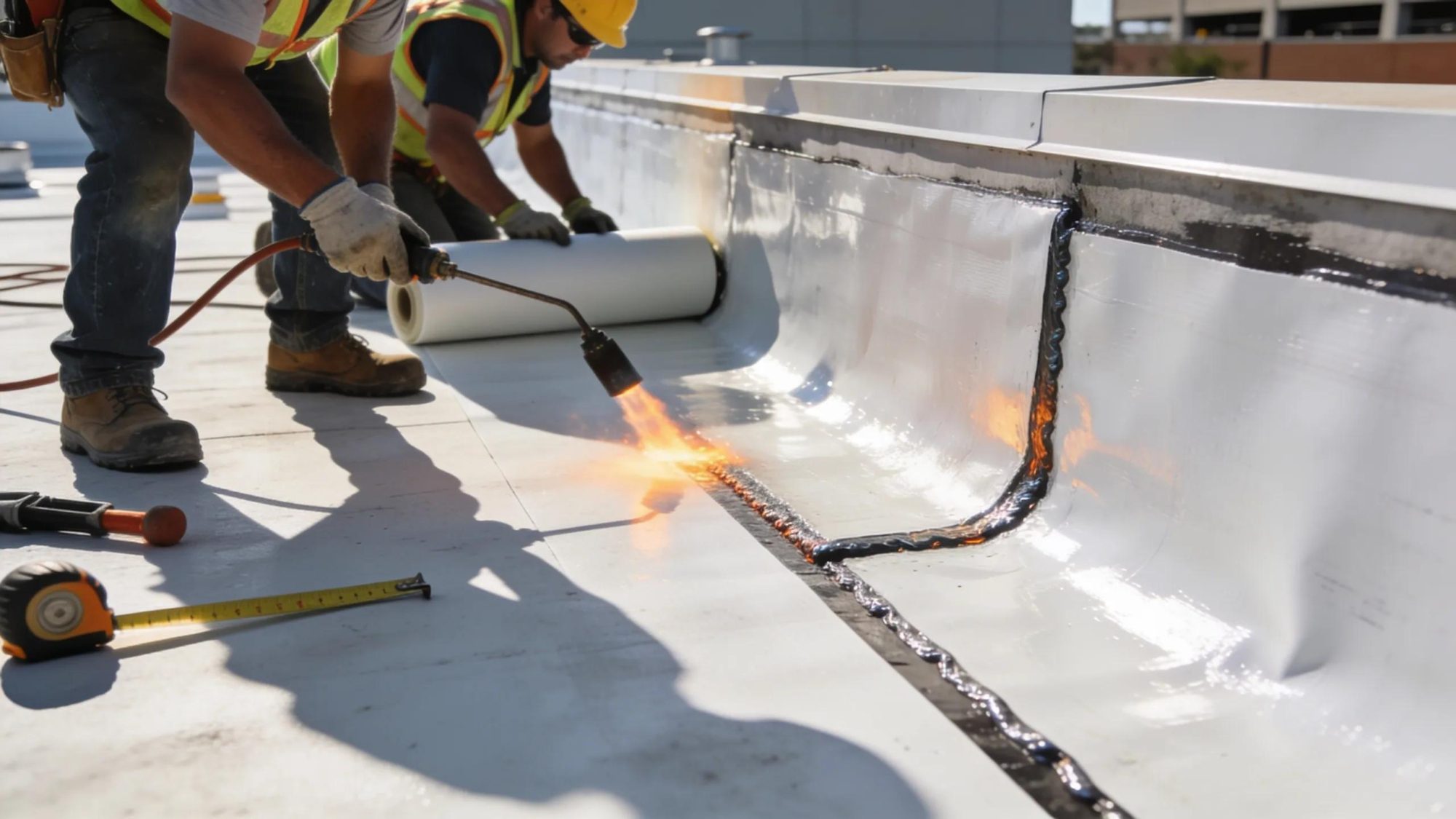
TPO roof coating Texas membranes are recognized for excellent energy efficiency, achieved through high solar reflectance and thermal emittance (CRRC ratings). The membranes are composed of polypropylene and ethylene-propylene rubber, offering superior elongation tensile strength ratings combined with a robust mil thickness dry film thickness (DFT). TPO’s heat-welded seams provide strength and resistance against ponding water, ideal for Houston’s frequent rain. The cost-effectiveness combined with long lifespan and warranty extension makes TPO a leading choice for commercial restoration projects.
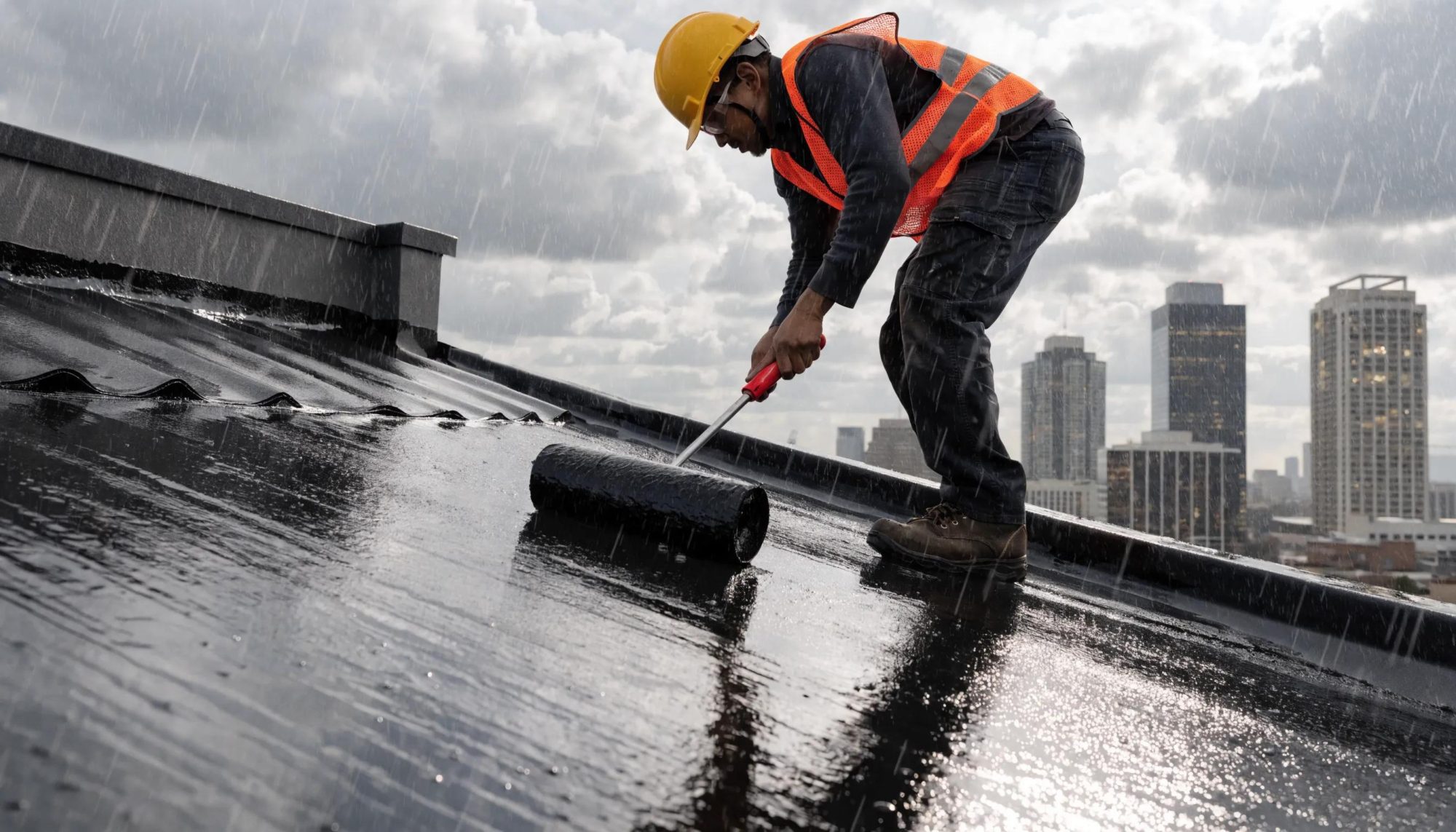
Silicone roof restoration Houston coatings offer unmatched ponding water resistance and UV durability, making them perfect for Houston’s humid and rainy climate. Their elastomeric roof coating properties provide significant elongation to accommodate thermal expansion and contraction, extending roof life. Silicone coatings exhibit superior solar reflectance and thermal emittance (CRRC ratings), reducing cooling loads. The mil thickness dry film thickness (DFT) adheres to mil-spec standards, supporting long warranties. Silicone coatings also align with tax deduction advantages such as Section 179 immediate expense write-off, enhancing commercial restoration ROI vs complete roof tear-off replacement options.
Acrylic roof coatings are water-based and easy to apply, providing a cost-effective option for many Houston commercial buildings. They offer substantial UV protection and atmospheric resistance but have moderate ponding water resistance compared to silicone or polyurethane coatings. Acrylics comply with standard elongation tensile strength ratings and require a mil thickness dry film thickness (DFT) that meets manufacturer recommendations for durability. While acrylic coatings involve a lower initial cost, maintenance schedules may be more frequent, especially in Houston’s Gulf Coast environment.
Polyurethane Coating Systems
Polyurethane coating systems combine outstanding abrasion resistance with high elongation tensile strength, making them adequate for areas exposed to mechanical stress or foot traffic. These systems provide good ponding water resistance and excellent UV reflective capabilities that comply with CRRC standards. Though initial costs tend to be higher than acrylics, polyurethanes contribute positively to commercial restoration ROI through extended lifespan and reduced maintenance intervals.
How Does TPO Roofing Provide Durability and Energy Efficiency in Houston?
TPO roofing systems outperform many alternatives in durability owing to heat-welded seams and robust mil thickness dry film thickness (DFT). TPO membranes resist moisture infiltration, UV degradation, and ponding water damage. Their high solar reflectance and thermal emittance (CRRC ratings) effectively reduce heat gain on Houston roofs, mitigating the urban heat island effect and lowering energy consumption for cooling, contributing to attractive commercial restoration ROI values compared to complete roof tear-off replacement. TPO's tensile and elongation strength ratings ensure resilience against Houston Gulf Coast humidity and intense UV exposure.
What Are the Advantages of Silicone Roof Coatings for Long-Term Protection?
Silicone coatings provide exceptional ponding water resistance, critical for Houston’s heavy tropical rains. Their elastomeric nature accommodates thermal movement, maintaining integrity under severe weather. High solar reflectance and thermal emittance (CRRC ratings) reduce roof surface temperatures, lowering HVAC energy costs and improving the building's environmental footprint. The coatings meet stringent elongation tensile strength ratings and mil thickness dry film thickness standards, assuring long lifespan and warranty extension. These factors combined with related tax deduction advantages optimize commercial restoration ROI versus full roof replacement.
How Do Acrylic Roof Restoration Solutions Compare in Cost and Application?
Acrylic roof coatings stand out for their affordability and ease of application—key for budget-conscious commercial properties. While providing effective UV protection, acrylics have moderate ponding water resistance and require diligent preventive maintenance. Acrylic coatings meet average elongation tensile strength ratings and follow recommended mil thickness dry film thickness applications. They do not typically provide the lifespan or warranty extension that silicone or TPO options offer, but their lower initial cost can suit short-term project goals in Houston’s challenging environment.
Which Roof Coating Materials Are Best for Houston’s Commercial Roofing Needs?
Selecting the right roof coating material depends on climate adaptability to Houston Gulf Coast humidity, intense UV exposure, heavy tropical rain, building type, and budget constraints. TPO roof coating Texas, silicone roof restoration Houston, acrylic roof coatings, and polyurethane coating systems each have unique advantages beneficial for different commercial applications.
How Do TPO, Silicone, Acrylic, and Polyurethane Coatings Address Houston Weather Challenges?
TPO membranes excel in energy efficiency and thermal emittance with strong ponding water resistance. Silicone coatings offer superior moisture protection, elongation, and UV durability, ideal for humidity and rainfall. Acrylic coatings are cost-effective but require more maintenance in severe climates. Polyurethane coatings provide exceptional mechanical resistance and adhesion beneficial for high-traffic areas. Each choice balances between upfront cost, longevity, and maintenance frequency to optimize commercial restoration ROI in Houston’s climate.
What Are the Energy-Saving Benefits of Reflective and Waterproof Roof Coatings?
Reflective roof coatings such as TPO and silicone reduce solar heat gain by reflecting sunlight, verified by solar reflectance and thermal emittance (CRRC ratings). This decreases roof surface temperatures, reducing reliance on air conditioning and lowering energy bills. Waterproof coatings, notably silicone and polyurethane, prevent moisture intrusion and damage, contributing to longer roof lifespan and cost-effective maintenance. These characteristics support Houston’s building energy codes and environmental sustainability goals.
What Are Effective Commercial Roof Maintenance Tips for Houston Properties?
Consistent maintenance maximizes the longevity and performance of commercial roof coatings Houston-wide, particularly under the Gulf Coast climate stresses.
How Can Regular Roof Inspections Prevent Costly Repairs in Houston?
Routine assessments at least twice annually—preferably before and after the rainy season—enable early detection of cracks, seam failures, or coating degradation. Early intervention preserves coating integrity, reducing repair costs and delaying replacement need. Scheduled inspections align with preventative maintenance schedules recommended by coating manufacturers.
What Are Recommended Cleaning and Repair Procedures for TPO, Silicone, Acrylic, and Polyurethane Roofs?
Maintaining coating effectiveness involves:
- Surface preparation including professional pressure washing to remove dirt and biological growth without damaging the existing coating.
- Adhesion testing before any restoration to confirm compatibility and identify areas requiring reinforcement.
- Seam reinforcement to address any weakened membrane junctions to restore waterproofing integrity.
- Primer application following proper specifications to ensure topcoat adhesion and longevity.
- Mil-spec coating application applying recommended dry film thickness (DFT), typically between 20-40 mils depending on coating type, to meet warranty and performance criteria.
- Preventative maintenance schedules that include annual inspections, cleaning, and minor repairs to prolong roof life and sustain commercial restoration ROI.
How Do Houston Energy Codes Influence Commercial Roof Coating Choices?
Houston’s energy codes promote reflective roofing materials with high solar reflectance and thermal emittance (CRRC ratings), favoring coatings that reduce heat absorption. Compliance not only ensures legal adherence but enhances building efficiency, supporting sustainability initiatives.
What Are the Latest Texas Energy Code Requirements Affecting Roof Restoration?
The latest Texas energy code mandates minimum solar reflectance percentages for commercial roofs, driving adoption of coatings like TPO and silicone with proven CRRC-listed performance. Adhering to these standards helps buildings achieve energy savings and qualify for tax deductions such as Section 179 immediate expense write-off.
How Do Silicone and Reflective Coatings Help Meet Energy Efficiency Standards?
Silicone and other reflective coatings provide excellent solar reflectance and thermal emittance, reducing rooftop heat buildup. This aligns with Houston’s building codes, enabling property owners to maximize energy efficiency, meet sustainability goals, and potentially benefit from tax deduction advantages on roof restoration investments.
Coating Systems Comparison: Silicone vs Acrylic vs Polyurethane vs TPO Coating
The Commercial Roof Restoration Process in Houston
A comprehensive roof restoration process is crucial for maximizing coating performance, longevity, and commercial restoration ROI versus complete roof tear-off replacement. The process includes the following key steps:
- Surface Preparation: Begin with professional pressure washing to remove debris, dirt, mold, and existing loose materials without damaging the substrate. This step is vital for ensuring proper coating adhesion and durability.
- Adhesion Testing: Conduct thorough adhesion tests on existing coatings and substrates to identify areas requiring repair or seam reinforcement, ensuring long-term system integrity.
- Seam Reinforcement: Repair or reinforce critical membrane seams, fasteners, and flashings to prevent water infiltration. This improves ponding water resistance and overall waterproofing performance.
- Primer Application: Apply an appropriate primer coat compatible with the chosen roof coating system to enhance bond strength, reduce peel risks, and meet mil-spec coating standards.
- Mil-Spec Coating Application: Apply the topcoat to the recommended mil thickness dry film thickness (DFT, typically 20-40 mils) in multiple layers as needed to achieve uniform coverage that aligns with manufacturer’s warranty requirements and performance specifications.
- Preventative Maintenance Schedule: Implement a scheduled maintenance program including bi-annual inspections, cleaning, minor repairs, and re-coating when necessary. Maintaining this schedule addresses wear from Houston Gulf Coast humidity, intense UV exposure, and heavy tropical rain, ensuring sustained energy savings and coating durability.
How Do Houston Energy Codes Influence Commercial Roof Coating Choices?
Houston’s energy codes encourage reflective roofing materials that provide high solar reflectance and thermal emittance (CRRC-certified), directly impacting material selection for commercial roof coatings Houston projects. Compliance maximizes energy savings, tax incentives, and aligns with sustainability initiatives.
What Are the Latest Texas Energy Code Requirements Affecting Roof Restoration?
The latest Texas energy codes require commercial roof systems to reflect a minimum percentage of solar radiation to reduce building cooling loads. Selecting coatings such as silicone and TPO, which meet or exceed these CRRC standards, ensures regulatory compliance and eligibility for tax deduction advantages, including Section 179 immediate expense write-off, enhancing the financial feasibility of commercial roof restoration Houston wide.
How Do Silicone and Reflective Coatings Help Meet Energy Efficiency Standards?
Silicone coatings’ high solar reflectance and thermal emittance reduce heat absorption, contributing substantially to energy efficiency and lowering commercial building operating costs. Reflective coatings meet Houston’s codes and help property owners achieve tax incentives and sustainable building certifications, improving overall commercial restoration ROI.
What Are Common Questions About Commercial Roof Coatings in Houston?
Understanding common inquiries elucidates the suitable applications and expected performance of commercial roof coatings Houston markets demand.
What Is the Typical Lifespan and Warranty of TPO, Silicone, Acrylic, and Polyurethane Coatings?
TPO coatings typically last 20-30 years, silicone coatings 15-25 years, polyurethane coatings can exceed 20 years, and acrylic coatings usually last 10-15 years. Warranty coverage varies by manufacturer but often encompasses material defects, weather resistance, and performance standards aligned with mil thickness dry film thickness (DFT) and elongation tensile strength metrics.
How Much Does Commercial Roof Repair and Coating Cost in Texas?
Costs for commercial roof coatings vary based on material selection, roof size, and condition. Average pricing ranges from $2.00 to $5.00 per square foot for new coatings or restorations. Investing in coatings with higher initial costs can yield superior commercial restoration ROI versus complete roof tear-off replacement when considering lifespan and energy savings. Consultation with Houston roofing professionals is recommended for precise evaluations.
FAQ: Key Considerations for Commercial Roof Coatings Houston
What Factors Should I Consider When Choosing a Roof Coating in Houston?
Evaluate local climate challenges such as Houston Gulf Coast humidity, intense UV exposure, and heavy tropical rain, along with building type, maintenance preferences, budget, and desired tax incentives. Reflective and waterproof properties are essential for energy efficiency and building protection. Silicone coatings excel in moisture resistance, TPO in energy savings, polyurethane in mechanical resilience, and acrylic in cost-effectiveness.
Are There Environmental Benefits to Using Reflective Roof Coatings?
Yes, reflective commercial roof coatings Houston install reduce urban heat islands, lower electrical demand for air conditioning, and decrease carbon emissions. This aligns with greener building initiatives and regulatory codes, supporting sustainable property management.
How Often Should I Schedule Roof Inspections for Optimal Performance?
Schedule inspections twice yearly (spring and fall) and after severe weather events to detect issues early. Routine inspections allow for timely remedial measures, preserving coating integrity and prolonging commercial restoration ROI.
What Common Problems Do Commercial Roof Coatings Face in Houston?
Coatings may suffer from UV degradation, moisture infiltration, thermal expansion, ponding water damage, and physical impact from debris. Maintaining coatings with preventative maintenance and prompt repairs is vital in Houston’s harsh environment.
What Are the Signs That My Roof Coating Needs Replacement?
Signs include cracking, peeling, blistering, diminished solar reflectance, frequent leaks, and increased maintenance frequency. Professional evaluations can determine the need for coating restoration versus full roof replacement.
Can I Apply a New Coating Over an Existing One?
Yes, if the existing coating is in sound condition and compatible with the new material. Proper cleaning, adhesion testing, and adherence to manufacturer’s thickness guidelines ensure performance without compromising warranty.
Are There Specific Regulations I Should Be Aware of for Roof Coatings in Houston?
Houston requires reflective roofing coatings compliance with energy codes and building permits for major restoration projects. Familiarity with these regulations ensures legal compliance, cost savings, and protection of your commercial roofing investment.
Get Your Pasadena Instant Roof Estimate
Calculate your commercial roof restoration investment quickly with our Pasadena Instant Roof Estimate tool. Assess costs, material options, and projected ROI to make informed decisions tailored to your property.