My Website

Routine roof maintenance is essential for homeowners in Houston, where the unique climate can significantly impact roof longevity. This comprehensive guide will explore various aspects of roof maintenance specific to this region, providing valuable insights into tune-up procedures and inspection techniques. Readers will learn about the importance of regular maintenance, best practices, as well as the financial benefits associated with proactive roof care. Seasonal fluctuations and weather challenges necessitate diligent attention to roofing systems, making it crucial to understand the mechanisms that contribute to optimal roof maintenance.

As a homeowner, recognizing the signs that indicate your roof needs attention can lead to significant savings and help prevent costly repairs down the line. This article will delve into effective roof maintenance tactics, detail procedures for tune-ups and inspections, provide cost-effective care strategies, and clarify when and how to schedule professional maintenance services.

Comprehensive Guide on Houston Roof Maintenance

Roof maintenance in Houston involves several crucial elements, including inspections, tune-ups, and seasonal preparation. Understanding the specific conditions in this urban area allows homeowners to tailor their maintenance strategies to both prevent issues and ensure lasting protection for their roofs. The diverse weather patterns, including humidity, heat, and storms, can accelerate wear and tear on roof systems. Therefore, an all-encompassing approach is necessary to keep roofs in prime condition.

Implementing a schedule for regular maintenance can avoid emergency repairs, which can often be significantly more expensive. Key focus areas for Houston homeowners include identifying the unique environmental impacts on the roofing structure and engaging in preventive measures that contribute to overall durability.

1. Importance of Roof Maintenance

Roof maintenance is vital for several reasons: it prolongs the lifespan of roofing systems, enhances energy efficiency, and prevents costly repairs that could arise from neglect. Regular maintenance interventions help to identify small issues before they escalate into major problems, thus ensuring the longevity of roofs.

In Houston, where certain seasonal extremes can stress roofing materials, maintenance becomes even more critical. Preventing leaks and damage means investing time and resources upfront, which pays off through reduced energy costs and improved home value over time.

2. Best Practices for Roof Maintenance
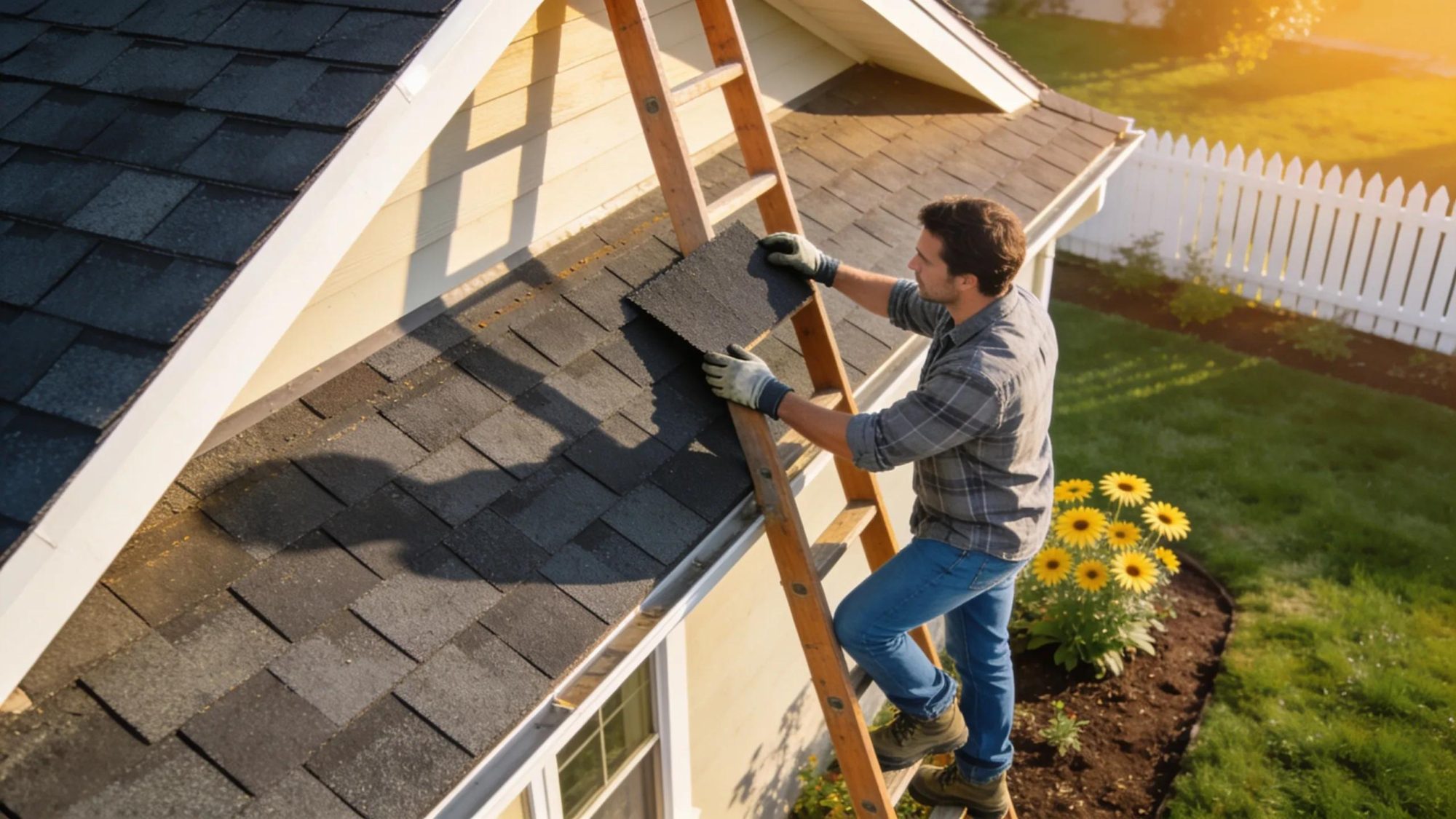
Adopting best practices for roof maintenance can help homeowners avert significant problems. Regular inspections, cleaning gutters, and timely repairs contribute to maintaining peak roof performance. Here are some actionable steps homeowners can take:

  1. Schedule Regular Inspections: At least twice a year, inspect the roof for visible damage, wear, or debris.
  2. Maintain Gutters: Regularly clean and check gutters to prevent water pooling, which can lead to significant damage.
  3. Engage in Timely Repairs: Address any issues identified during inspections promptly to avoid escalation.

By adhering to these practices, homeowners can considerably reduce the risk of severe roof problems and enhance the overall functionality of their roofing systems.

3. Roof Tune-Up Procedures

Tuning up a roof involves evaluating its components and performing necessary maintenance to extend its life. The following steps outline what a typical roof tune-up includes:

  1. Assessment of Roof Components: Inspecting shingles, flashing, and drainage systems for wear and damage.
  2. Necessary Cleaning: Removing debris and buildup from all roof surfaces and gutters to facilitate proper water flow.
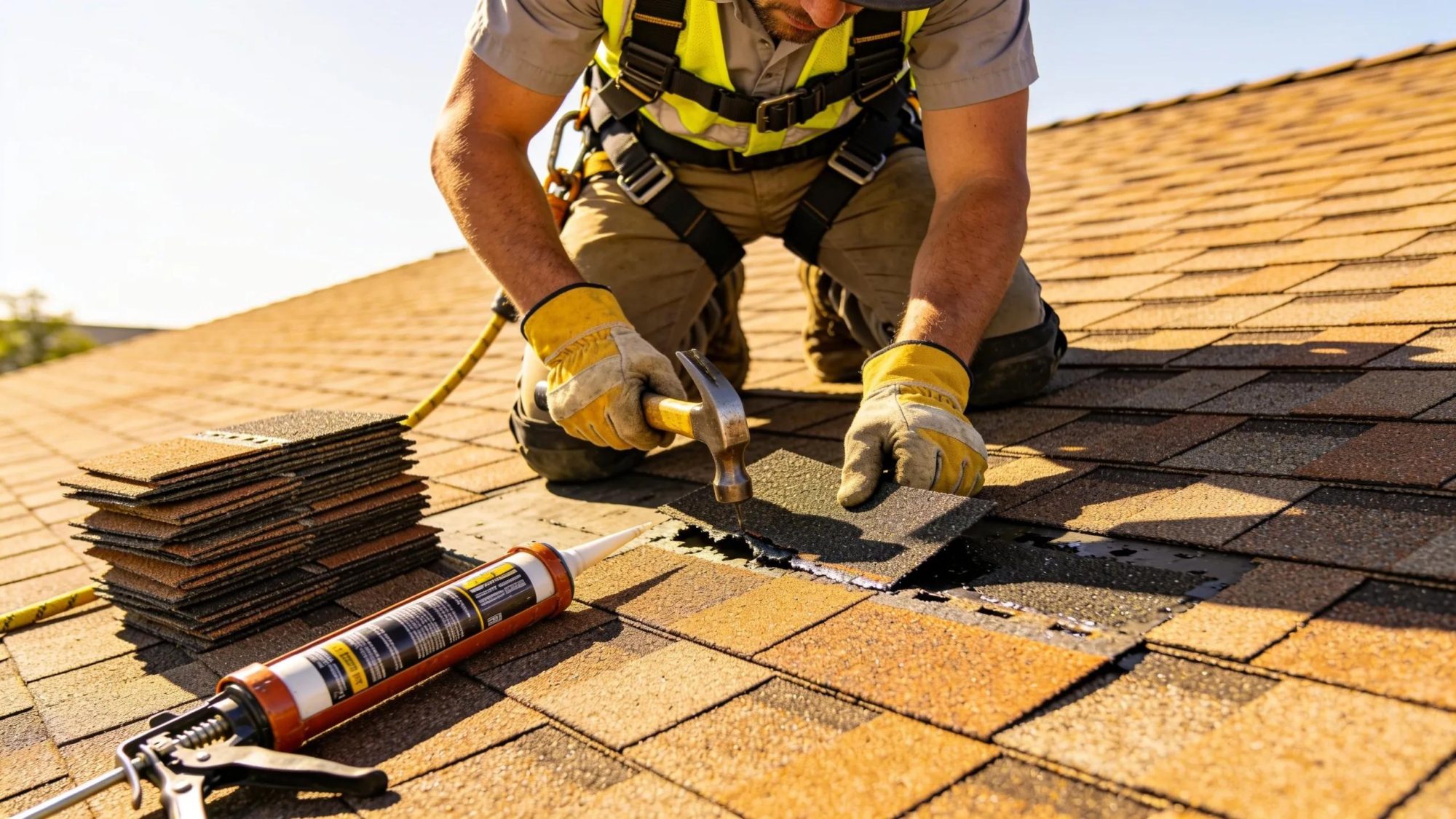
  3. Minor Repairs Process: Conducting small repairs such as replacing loose shingles or caulking gaps to prevent leaks.

Regular tune-ups reinforce the condition of a roof, ultimately contributing to the home’s overall resilience against environmental elements.

4. Inspection Techniques

Roof inspections should utilize various techniques to ensure comprehensive assessment. Techniques include:

  • Visual Inspections: Physically examining the roof for visible signs of wear, such as curling shingles or rusted flashing.
  • Use of Advanced Tools: Employing infrared cameras and drones to identify hidden issues and providing a thorough assessment without the need for scaffolding.
  • Documentation of Findings: Keeping records of inspections and any necessary repairs for future reference and to track the condition over time.

These methods enhance the effectiveness of inspections and ensure that homeowners are fully aware of their roofs’ conditions.

5. Signs Indicating a Roof Tune-Up is Needed

Recognizing the signs that indicate your roof requires a tune-up is essential for maintaining its health. Watch for the following indicators:

  1. Curling or Missing Shingles: These can lead to leaks and further damage if not addressed immediately.
  2. Leaks: Any sign of water intrusion within the home is a clear warning sign of potential roof failure.
  3. Unusual Energy Costs: A significant increase in energy bills may indicate loss of thermal efficiency due to roofing problems.

Being proactive in identifying these signs can save homeowners from costly repairs and extend the life of their roofs.

6. Cost-Effective Roof Care

Investing in roof maintenance can lead to considerable long-term savings, especially when compared to the costs associated with major repairs or replacements. Homeowners should consider the following benefits of routine maintenance:

  • Long-term Savings from Minor Repairs: Regular upkeep often costs less over time when compared to replacing entire sections of roofing due to disrepair.
  • Cost Breakdown of Maintenance vs. Replacement: Routine inspections and minor repairs are significantly less expensive than complete roof overhauls.
  • Value of Professional Inspection Services: Hiring professionals can ensure that issues are identified early, preventing larger financial burdens later on.

Integrating routine maintenance as a standard practice is a wise investment in the longevity and durability of roofing systems.

By engaging in regular roof maintenance, homeowners not only protect their homes but also contribute to their property’s overall value and appeal.

In conclusion, Houston homeowners must prioritize roof maintenance to safeguard their investments. By understanding the elements involved in effective roof care, practicing regular inspections, and recognizing the importance of timely tune-ups, homeowners will enjoy the benefits of long-lasting and efficient roofing systems. Investing in routine maintenance now will lead to significant savings and peace of mind in the coming years.

What Are the Key Benefits of Annual Roof Inspections in Houston?

Annual roof inspections in Houston offer crucial benefits, including the early detection of potential problems, which can lead to significant cost savings on repairs. Regular assessments ensure that issues are addressed promptly, extending the lifespan of the roof and enhancing energy efficiency in the home.

How Do Regular Inspections Prevent Expensive Roof Repairs?

Regular inspections can identify small issues before they require extensive repairs or complete replacement. By proactively addressing potential problems, homeowners can avoid the financial burden associated with larger repair jobs and maintain the integrity of their roofing systems.

Why Is Inspection Frequency Important for Houston’s Climate?

Houston's distinct climate, characterized by humidity and heavy rainstorms, increases the likelihood of roof damage. Regular inspections tailored to these conditions help homeowners catch and remedy issues that may not be common in drier climates.

How Much Does a Roof Inspection Cost in Houston and What Affects Pricing?

The cost of a standard roof inspection in Houston typically ranges around $199, depending on the size and type of roofing system as well as the specific services included. Factors such as the condition of the roof, its age, and accessibility can all influence pricing.

What Factors Influence Roof Inspection Pricing in Houston?

Several factors impact the pricing of roof inspections in Houston, including the roof’s size, type of materials used, the complexity of the roof structure, and the experience level of the inspector. Understanding these factors can help homeowners budget appropriately for maintenance.

How to Compare Houston Roof Inspection Estimates Effectively?

Homeowners can effectively compare roof inspection estimates by considering the services provided, the inspector’s credentials, and customer reviews. A well-rounded comparison will include not only the price but also the perceived value from different service providers.

What Does a Houston Roof Tune-Up Service Include and How to Schedule It?

A roof tune-up service encompasses an evaluation of roof components, clean-up of debris, and minor repairs. Scheduling a tune-up typically involves contacting a local roofing professional who can assess the roof's condition and recommend the best time for maintenance.

Which Tune-Up Services Are Essential for Houston Roofs?

Essential services for Houston roofs include cleaning gutters, assessing flashing, checking ventilation, and evaluating shingles for damage. These steps can significantly enhance the roof’s durability against Houston’s climate.

When Is the Best Time to Schedule a Roof Tune-Up in Houston?

The optimal times for scheduling a roof tune-up in Houston are typically during the spring and fall, as these seasons allow for preparation against heavy rains and extreme heat. Seasonal maintenance ensures that roofs remain resilient throughout the year.

How Does Houston’s Climate Impact Roof Maintenance and Repairs?

Houston's humid and storm-prone environment necessitates comprehensive roof maintenance plans. This climate can lead to faster deterioration of roofing materials, emphasizing the need for regular evaluations and maintenance to prolong roof life.

What Weather Conditions in Houston Affect Roof Longevity?

The combination of heat, rain, and occasional storms can severely affect roof longevity in Houston. High humidity can lead to mold growth and water damage, while extreme weather events can cause structural damage, making regular maintenance critical.

How to Adapt Roof Care Practices to Houston’s Environmental Risks?

To effectively adapt roof care practices, homeowners should stay informed about climate-related risks and adjust their maintenance approaches accordingly. Regular inspections, immediate repairs, and strategic cleaning are essential measures tailored to Houston's unique environmental challenges.

What Are Common Roof Problems in Houston and How Can Inspections Identify Them?

Common roof problems in Houston include missing shingles, water leaks, and mold growth due to high humidity. Regular inspections can identify these issues early, allowing for timely repairs and maintenance to prevent costly consequences.

Which Types of Roof Damage Are Typical in Houston Homes?

Houston homes commonly experience damage such as cracked or missing shingles, rusted flashing, and drainage problems due to heavy rain. Addressing these issues with regular maintenance can help prevent more severe damage.

How Do Roof Inspections Help Detect Early Warning Signs?

Roof inspections play a critical role in revealing early warning signs of potential issues, such as spots of discoloration or areas of moisture. Identifying these signs early can lead to preventative actions that prolong the roof's lifespan and reduce the risk of extensive repair costs.

49 50 57