My Website

Houston Roof Replacement: Complete Buyer Guide for Homeowners and Business Owners

Replacing a roof is a significant investment for homeowners and business owners alike, often necessitating careful consideration of various factors. This comprehensive guide aims to equip you with essential knowledge about roof replacement in Houston, including key considerations, types of materials, cost factors, and the replacement process. Many individuals face challenges in determining when to replace their roof, understanding the costs involved, and selecting the right materials. This guide addresses these pain points by providing clear insights and practical advice. We will explore the signs that indicate a roof replacement is necessary, the different types of roofing materials available, and the financing options that can ease the financial burden.

Comprehensive Buyer's Guide for Houston Roof Replacement

When considering a roof replacement in Houston, it is crucial to understand the various aspects involved in the process. This guide serves as a valuable resource for homeowners and business owners, detailing the importance of timely roof replacement and the factors that influence the decision-making process. By understanding the scope of this guide, readers can make informed choices that enhance their property’s value and longevity.

Understanding the various factors that influence a homeowner’s decision to undertake a significant renovation like roof replacement is crucial for making informed choices.

Homeowner Renovation Decision-Making Factors

This study investigates the psychological, economic, and social influence in shaping homeowners’ decision-making regarding housing renovations. It identifies key factors unravelling homeowners’ energy renovation (ER) decision-making and lays a solid foundation for modeling energy decisions in residential buildings.

Factors influencing homeowners’ housing renovation decision-making:

Towards a holistic understanding, K Ye, 2022

Key Considerations:

Signs of Replacement:

Identifying the right time for a roof replacement is essential to prevent further damage and costly repairs. Common signs that indicate a roof may need replacement include:

  1. Visible Damage: Look for missing shingles, cracks, or curling edges that suggest deterioration.
  2. Leaks: Water stains on ceilings or walls can indicate leaks that may require immediate attention.
  3. Increased Energy Bills: A sudden spike in energy costs may signal that your roof is no longer providing adequate insulation.

Understanding these signs can help homeowners take proactive measures to protect their investment.

Property Value and Curb Appeal:

A new roof can significantly enhance a property’s value and curb appeal. Homebuyers often prioritize the condition of the roof when making purchasing decisions. A well-maintained roof not only improves aesthetic appeal but also assures potential buyers of the property’s overall condition. Investing in a roof replacement can yield a substantial return on investment, making it a wise choice for homeowners looking to sell in the future.

Local Climate:

Houston’s unique climate poses specific challenges for roofing materials. The area’s high humidity and frequent storms necessitate roofing solutions that can withstand these conditions. Homeowners should consider materials that offer durability and resilience against the local weather patterns. Understanding how the climate affects roofing choices is crucial for ensuring long-term performance and protection.

Types of Roofing Materials:

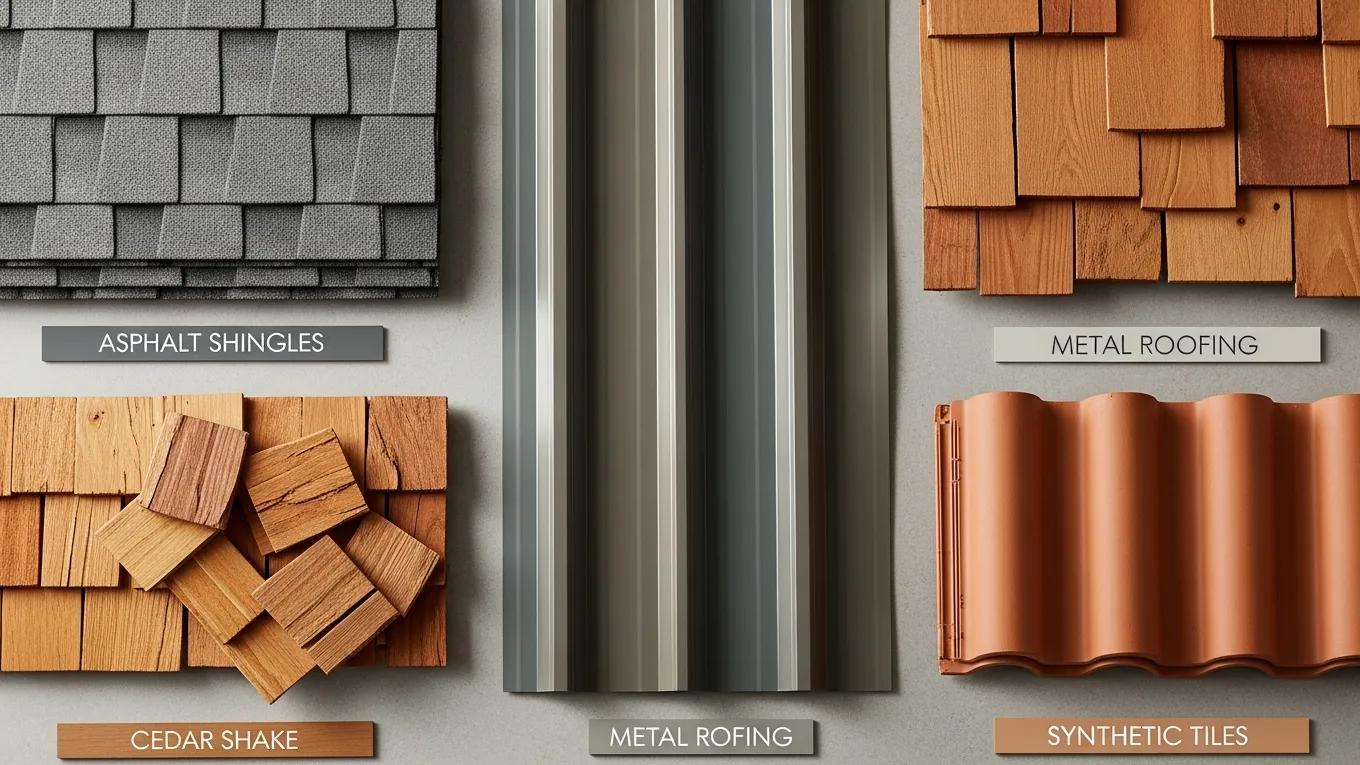
When it comes to roof replacement, selecting the right materials is vital. Various options are available, each with its own advantages and disadvantages. Here are some popular roofing materials:

Asphalt Shingles:

Asphalt shingles are one of the most common roofing materials due to their affordability and ease of installation. They come in a variety of colors and styles, allowing homeowners to choose an option that complements their home’s aesthetic. Additionally, asphalt shingles have a lifespan of 20 to 30 years, making them a practical choice for many.

Metal Roofing:

Metal roofing is gaining popularity for its durability and energy efficiency. It can last 40 to 70 years, depending on the material used. Metal roofs reflect solar heat, which can help reduce cooling costs in the hot Houston climate. While the initial investment may be higher, the long-term savings and longevity make metal roofing an attractive option.

Cedar Shake:

Cedar shake roofing offers a classic and natural look, appealing to homeowners seeking a unique aesthetic. However, it requires regular maintenance to prevent rot and insect damage. Cedar shake roofs can last 30 to 40 years with proper care, making them a viable option for those willing to invest in upkeep.

Synthetic Tiles:

Synthetic tiles mimic the appearance of traditional materials while offering enhanced durability and lower maintenance requirements. They are often made from recycled materials and can withstand harsh weather conditions. Homeowners looking for an eco-friendly option may find synthetic tiles to be an appealing choice.

Cost Factors:

Understanding the costs associated with roof replacement is crucial for budgeting effectively. Several factors influence the overall expense of a roofing project:

Material Choice:

The type of roofing material selected significantly impacts the total cost. For instance, asphalt shingles are generally more affordable than metal roofing or cedar shake. Homeowners should weigh the initial costs against the long-term benefits and lifespan of each material.

Further research emphasizes the importance of a structured approach to selecting roofing materials, considering both performance and cost implications.

Optimal Roofing Material Selection & Cost Modeling

This study utilised the available roofing materials data and a multi-criteria decision making method to solve materials selection and optimisation problem, providing a decision support system for surveyors or self house builder to select optimal materials.

Product-cost modelling approach for the development of a decision support system for optimal roofing material selection, H Odeyinka, 2012

Roof Size and Complexity:

The size and complexity of the roof design also play a role in determining costs. Larger roofs require more materials and labor, while intricate designs may necessitate additional expertise, increasing labor costs. Homeowners should consider these factors when planning their budget.

Condition of Existing Roof:

The state of the existing roof can affect replacement costs. If the current roof is severely damaged, additional work may be required to remove and dispose of the old materials. This can add to the overall expense of the project.

Labor Costs:

Labor costs can vary based on the roofing contractor’s experience and the complexity of the installation. Homeowners should obtain multiple quotes to ensure they receive a fair price for the work being performed.

Roof Replacement Process:

Understanding the roof replacement process can help homeowners prepare for the project and set realistic expectations. The typical steps involved include:

Initial Consultation:

During the initial consultation, a roofing contractor will assess the current roof’s condition and discuss the homeowner’s needs and preferences. This assessment is crucial for determining the best course of action.

Proposal:

After the consultation, the contractor will provide a detailed proposal outlining the materials, costs, and timeline for the project. Homeowners should review this proposal carefully to ensure it meets their expectations.

Installation:

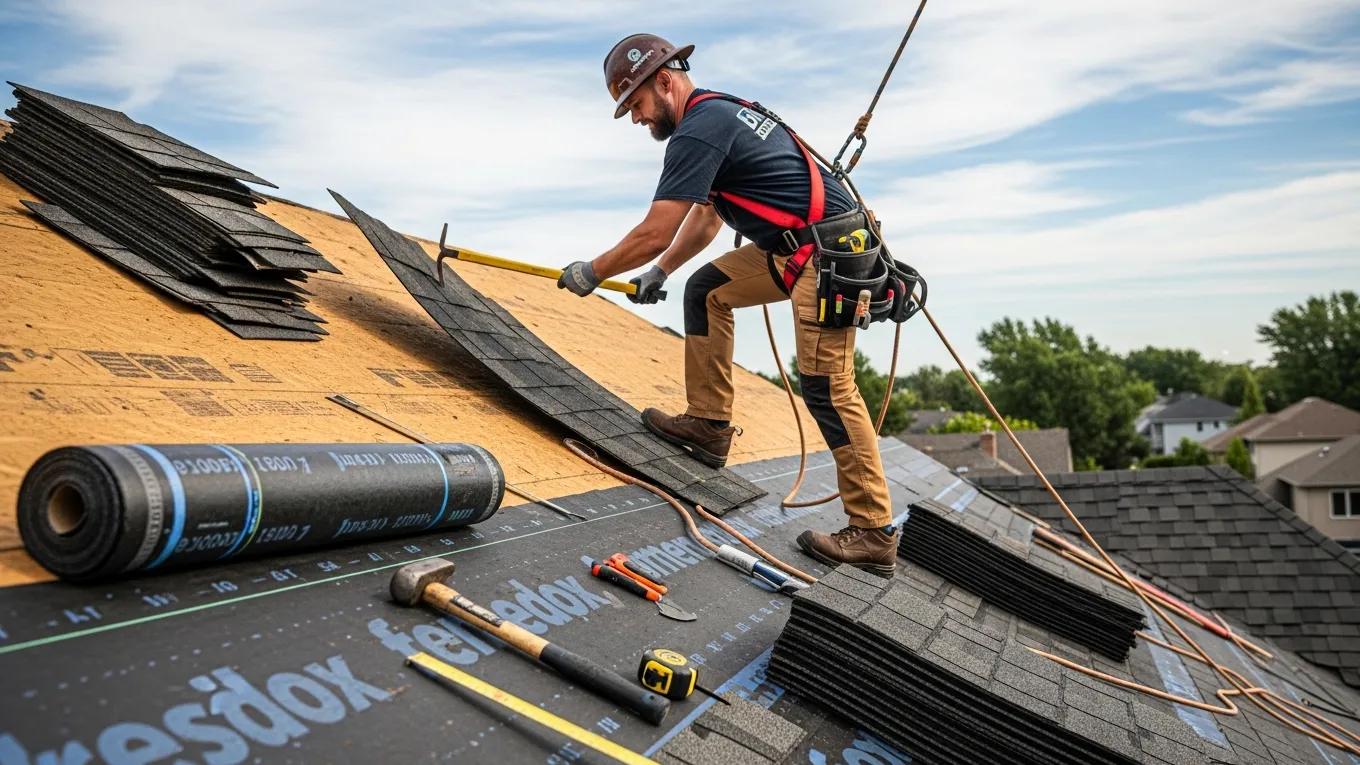
The installation process involves removing the old roof and installing the new materials. Professional contractors will ensure that the installation is done correctly to prevent future issues. Homeowners should be prepared for some disruption during this phase.

Final Inspection:

Once the installation is complete, a final inspection will be conducted to ensure that the work meets quality standards. This step is essential for ensuring the longevity and performance of the new roof.

Financing Options:

Financing options can make roof replacement more accessible for homeowners. Various solutions are available, including:

  1. Home Equity Loans: Homeowners can borrow against their home's equity to finance the project.
  2. Personal Loans: Unsecured personal loans can provide the necessary funds for roof replacement.
  3. Payment Plans: Some roofing companies offer payment plans that allow homeowners to spread the cost over time.

Exploring these options can help homeowners find a financing solution that fits their budget.

Warranties:

Understanding the warranties associated with roofing materials and installation is crucial for protecting your investment. Warranties can vary significantly, so homeowners should look for:

  • Material Warranties: These cover defects in the roofing materials and can last anywhere from 20 years to a lifetime, depending on the product.
  • Workmanship Warranties: These cover issues related to the installation process and typically last 1 to 10 years. Homeowners should ensure that their contractor provides a workmanship warranty for added peace of mind.

How Do You Determine If You Need a Roof Replacement in Houston?

Determining the need for a roof replacement involves assessing various factors, including the age of the roof, visible damage, and performance issues. Homeowners should conduct regular inspections and consult with roofing professionals to evaluate their roof’s condition accurately.

What Are the Common Signs of Roof Damage in Houston?

Common signs of roof damage in Houston include:

  1. Missing or Damaged Shingles: Look for shingles that are cracked, curled, or completely missing.
  2. Water Stains: Stains on ceilings or walls can indicate leaks that require immediate attention.
  3. Moss or Algae Growth: Excessive growth can signal moisture retention, which may lead to further damage.

How Does Houston Weather Affect Roof Lifespan?

Houston’s weather can significantly impact the lifespan of roofing materials. High humidity, intense heat, and frequent storms can accelerate wear and tear. Homeowners should choose materials that are specifically designed to withstand these conditions for optimal performance.

What Are the Typical Costs and Financing Options for Roof Replacement in Houston?

The costs of roof replacement in Houston can vary widely based on material choice, roof size, and labor costs. Homeowners should budget for both the initial investment and potential financing options to make the process more manageable.

How Do Roofing Materials Influence Roof Replacement Cost?

Different roofing materials come with varying price points. For example, asphalt shingles are generally more affordable than metal roofing, which, while more expensive upfront, offers greater longevity and energy efficiency.

What Financing Solutions Are Available for Houston Roof Replacement?

Homeowners in Houston can explore several financing solutions, including home equity loans, personal loans, and payment plans offered by roofing contractors. These options can help ease the financial burden of a roof replacement.

Which Roofing Materials Are Best Suited for Houston Roof Replacement?

Selecting the right roofing materials for Houston’s climate is essential for ensuring durability and performance. Homeowners should consider options that can withstand high humidity and storm conditions.

What Are the Benefits of Asphalt Shingles and Metal Roofing in Houston?

Asphalt shingles offer affordability and ease of installation, while metal roofing provides durability and energy efficiency. Both options can be suitable for Houston homeowners, depending on their specific needs and budget.

How Do Energy-Efficient Roofing Options Impact Houston Homes?

Energy-efficient roofing options can significantly reduce cooling costs in Houston’s hot climate. By reflecting solar heat, these materials help maintain comfortable indoor temperatures and lower energy bills.

Studies specifically highlight the effectiveness of certain roofing technologies in mitigating the intense heat of regions like Houston.

Houston Roof Energy Savings: Reflective Coatings

The study evaluates the performance of reflective roof coatings on reducing cooling energy demand, which is particularly pronounced due to the region’s hot and arid climate. This comparative study assesses energy savings in four different climates: Phoenix, Houston, Los Angeles, and Miami.

Assessing Energy Savings: A Comparative Study of Reflective Roof Coatings in Four US Climate Zones, A Sharma, 2024

How Do You Choose the Best Roofing Contractor in Houston?

Choosing the right roofing contractor is crucial for a successful roof replacement. Homeowners should look for contractors with proper licensing, insurance, and positive customer reviews to ensure quality workmanship.

What Qualifications and Certifications Should Houston Roofing Contractors Have?

Houston roofing contractors should possess the necessary licenses and insurance to operate legally. Additionally, certifications from reputable manufacturers can indicate a contractor’s expertise in specific roofing materials.

How Can Customer Reviews and Testimonials Guide Your Contractor Choice?

Customer reviews and testimonials provide valuable insights into a contractor’s reliability and quality of work. Homeowners should research potential contractors thoroughly to ensure they choose a reputable provider for their roofing needs.