My Website

Houston Storm Damage & Roof Insurance Claims: A Homeowner's Guide to Roof Inspection and Repair Services

By Usslyes Logan, Roof Fix Houston

Storms can wreak havoc on homes, especially in regions like Houston, where sudden and severe weather changes are common. Understanding how to navigate the intricacies of storm damage and roof insurance claims is vital for homeowners, as this knowledge can significantly influence the outcome of repairs and claims. This guide outlines essential steps for assessing storm damage, the importance of contacting a professional, and insights into filing insurance claims. With the right information, homeowners can make informed decisions, ensuring their property is restored effectively after a storm event.

Assessing Storm Damage

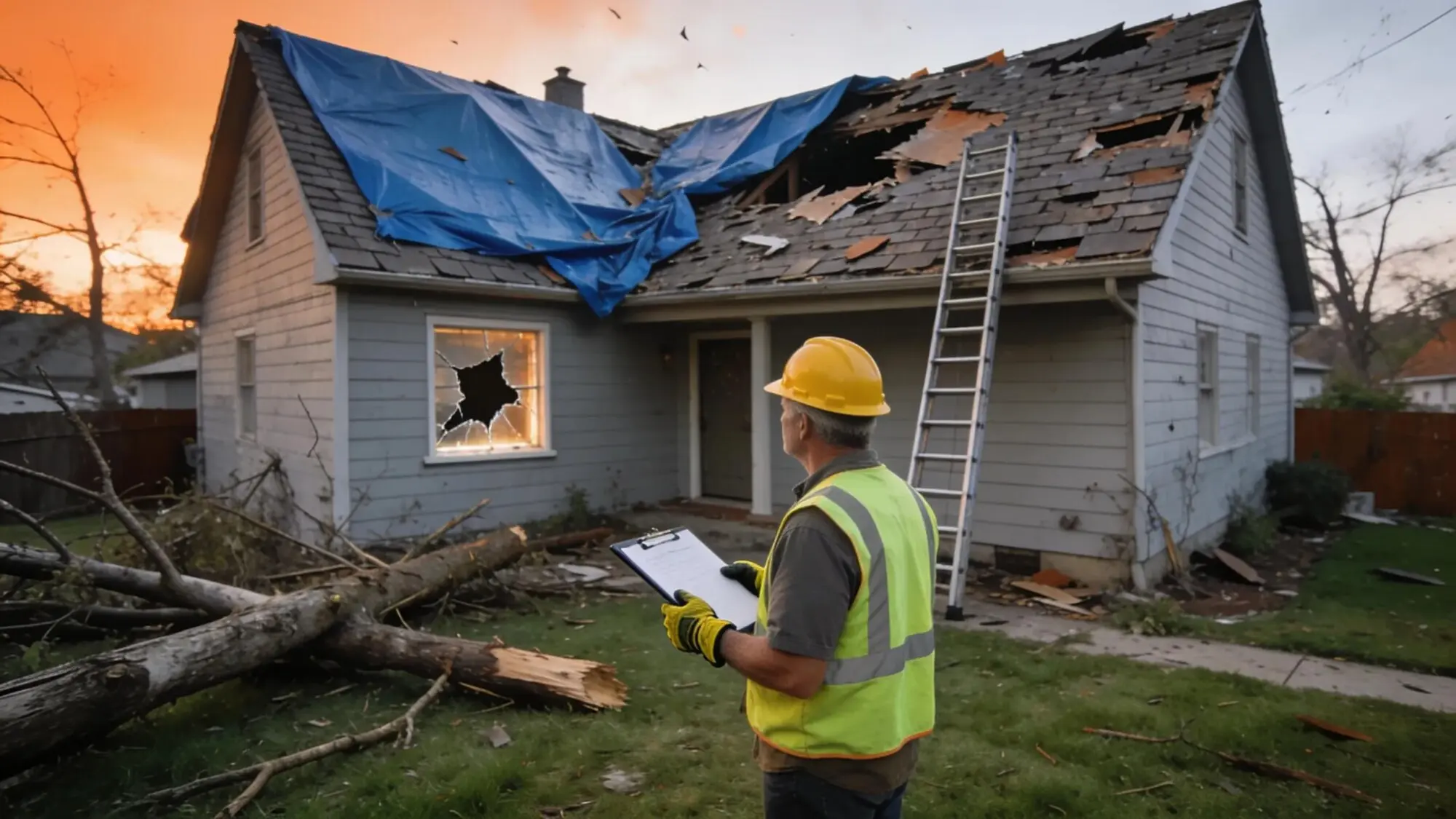
Assessing storm damage involves a careful examination of your roof and surrounding areas to identify visible signs of distress. Homeowners should initially look for displaced shingles, leaks, and sagging areas to determine the extent of the damage. Documenting these findings is crucial, not only for personal records but also for future insurance claims. By understanding common signs of roof damage, such as missing shingles and warped flashing, homeowners can proactively address necessary repairs before they escalate.

Emergency Measures

After experiencing storm damage, taking immediate emergency measures is critical to prevent further issues. Homeowners should prioritize safety by ensuring that they do not put themselves in harm’s way. This may involve tasks like:

  1. Securing the Area: Clear any debris around the home and avoid approaching damaged areas until it's safe.
  2. Temporary Repairs: Cover leaks with a tarp or similar material to prevent water intrusion until professional help arrives.
  3. Documenting Damage: Take photos of any damage for insurance purposes.

These steps can help mitigate damage while waiting for a professional assessment.

At Roof Fix Houston, we specialize in emergency roofing repairs to help protect your home from further deterioration. You can reach us at (713) 904-3904 for immediate assistance.

Contacting a Professional

Choosing the right professional to conduct your roof repairs can significantly influence the quality of restoration. Homeowners should consider several key factors when selecting a roofing expert.

  1. Licensing and Insurance: Ensure the contractor holds the necessary licenses and insurance coverage to protect both parties.
  2. Reputation and Reviews: Look for companies with positive customer feedback and demonstrated expertise in storm damage repairs.
  3. Experience with Insurance Claims: A contractor well-versed in navigating insurance processes can ease the claims submission and adjustment crucial for financial recovery.

By following these guidelines, homeowners can find a reliable roofing professional to assist with their repairs.

Understanding Insurance Coverage

Understanding your insurance coverage is essential when dealing with storm damage. Homeowners should carefully review their policy to grasp what types of damages are covered. Typically, policies may include provisions for various storm-related damage, but the specifics can vary widely.

  1. Types of Coverage: Different policies offer varying degrees of protection, including comprehensive, named peril, and all-risk coverage.
  2. Exclusions: Pay attention to any exclusions in your policy that may affect coverage eligibility during claims.
  3. Deductibles: Knowing your deductible amount helps to prepare financially during the claims process.

Educating yourself on these points ensures you are well-prepared when filing a claim.

Filing an Insurance Claim

Filing an insurance claim can be a complex process, but understanding the steps involved can streamline the experience greatly. Homeowners should follow this step-by-step guide:

  1. Notify Your Insurer: As soon as you identify damage, inform your insurance company to initiate the claims process.
  2. Gather Documentation: Collect all necessary information, such as photographs of the damage, repair estimates, and previous communications with the insurance company.
  3. Complete the Claim Form: Fill out and submit your claim form accurately to avoid delays.

This organized approach ensures you have all necessary information ready, making the claims process smoother.

At Roof Fix Houston, we offer expert insurance claim assistance to help you navigate these complex processes effectively and advocate on your behalf.

Common Challenges in Claims

Filing insurance claims for storm damage can present several challenges. Homeowners may encounter issues such as:

  1. Coverage Limits: Policies often have limits that can affect the amount reimbursed for repairs.
  2. Insufficient Documentation: Failure to document damages may lead to denied claims.
  3. Negotiating Settlements: Understanding how to negotiate with adjusters can be daunting for homeowners.

Awareness of these challenges can prepare homeowners to tackle potential roadblocks effectively.

Roof Inspection and Repair Services

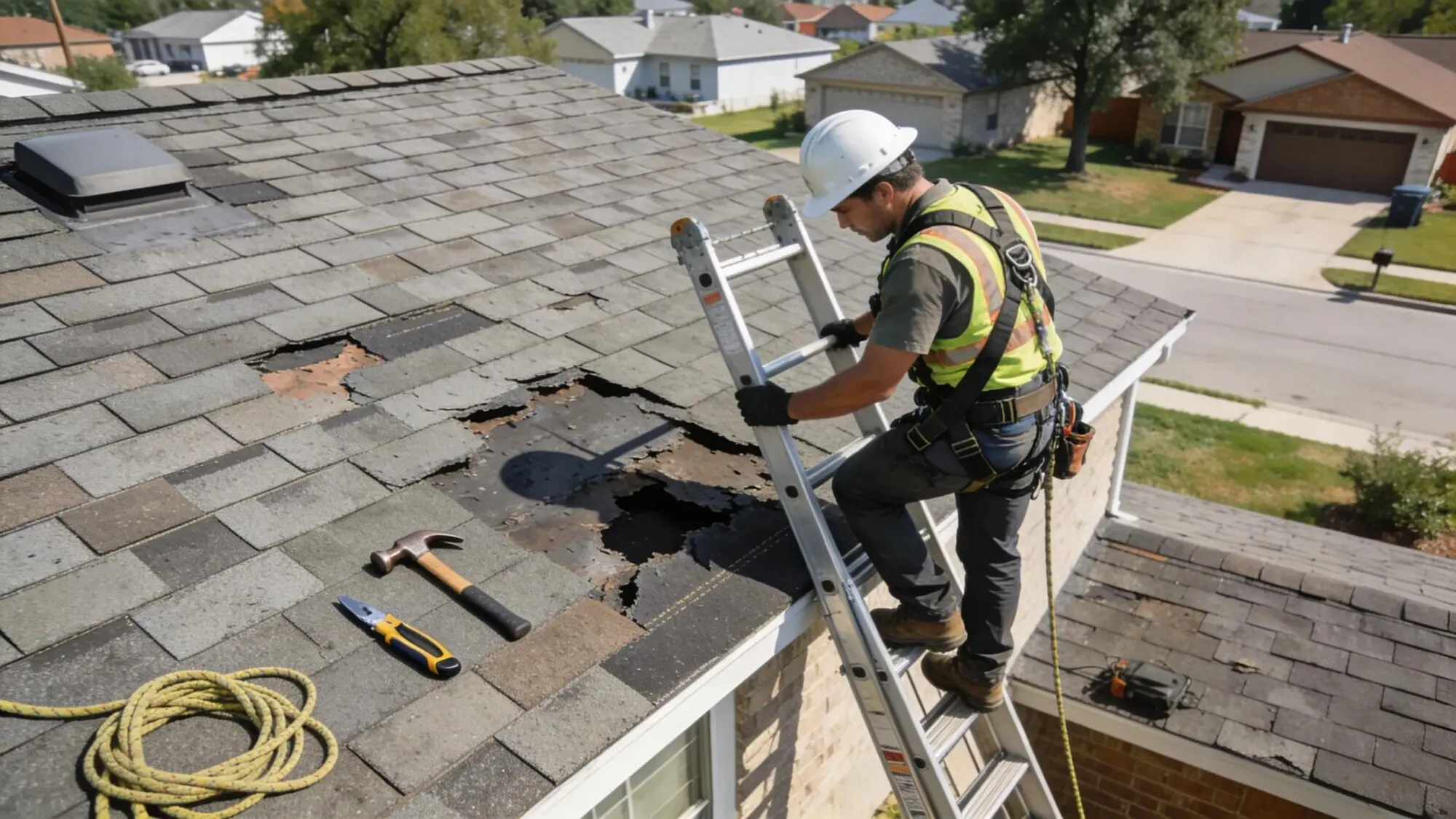
Professionals offer a variety of roof inspection and repair services to address storm damage effectively. Here are examples of services typically provided:

ServiceType of RepairMaterials Used
Roof InspectionsVisual assessmentsVarious (shingles, metal)
Storm Damage RepairsShingle replacementAsphalt, metal
Preventative MaintenanceGutter cleaningPVC, aluminum

This table outlines typical service offerings, materials utilized, and types of repairs performed to maintain the integrity and longevity of your roof.

Preventative Measures

Preventative measures can significantly reduce the likelihood of storm damage in the future. Homeowners should consider:

  1. Regular Inspections: Schedule routine inspections to catch potential issues before they develop into significant problems.
  2. Gutter Maintenance: Ensure gutters are clean and functioning properly to divert water away from the roof effectively.
  3. Trim Overhanging Branches: Keep tree branches trimmed back to prevent them from falling onto the roof during storms.

Implementing these practices can help safeguard your home against future storm-related damage.