By Usslyes Logan, Roof Fix Houston
Choosing the right roofing company in Houston matters for quality workmanship and compliance with local codes. Roofing work is a significant investment, so homeowners and business owners should focus on licensed, insured contractors with relevant Houston experience. This guide outlines the key checks—licensing, insurance, local expertise, certifications, and common red flags—to help you select a reliable roofing contractor.
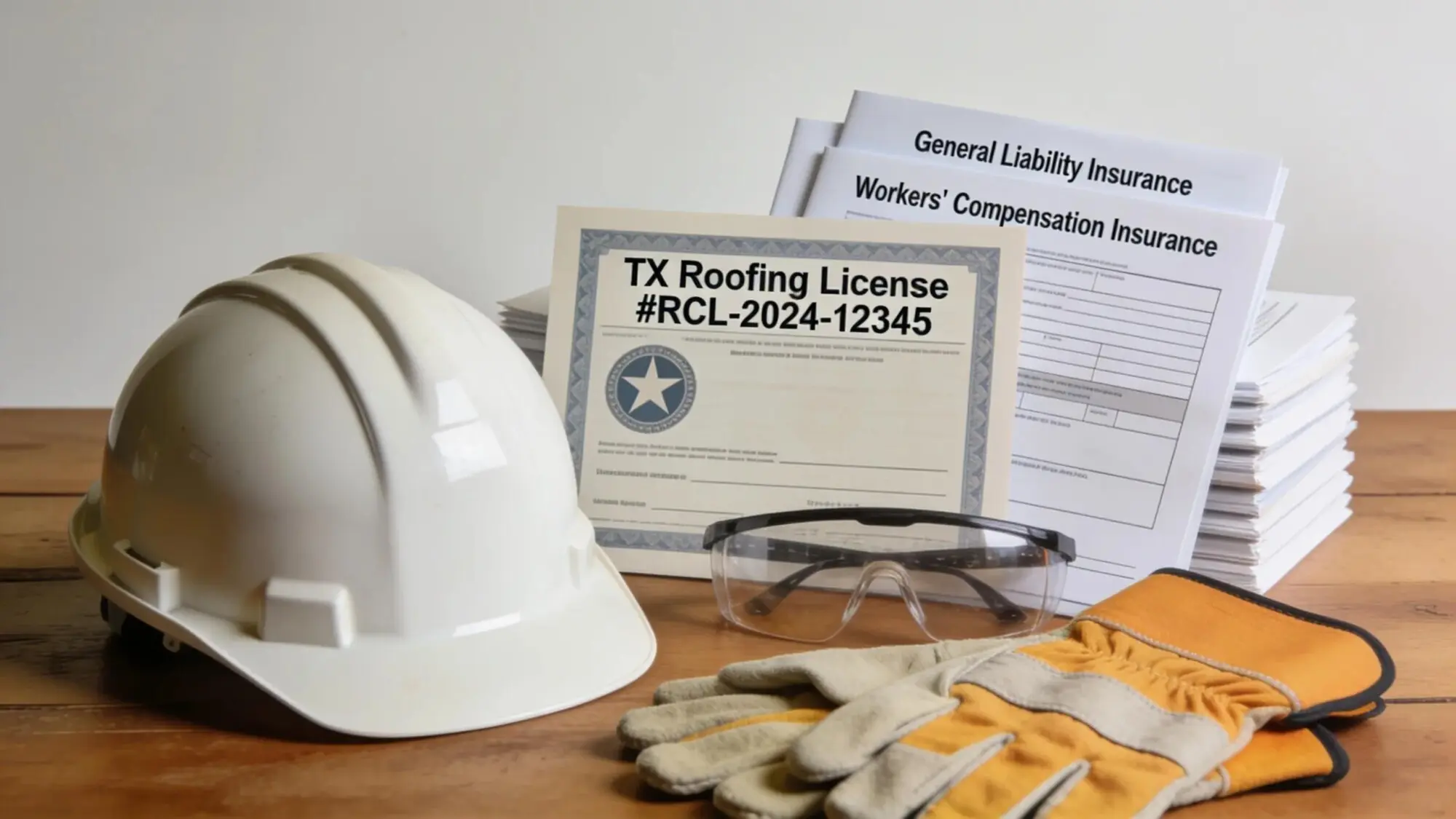
Confirm a contractor’s Texas roofing license and ask for proof of liability insurance and workers’ compensation where applicable. These documents protect you from liability and indicate the contractor meets basic professional requirements.
Use the Texas Department of Licensing and Regulation’s online tools to check licenses and request insurance certificates; keep copies with your project records. If a contractor hesitates to provide documentation, consider it a warning sign.
Roofing contractors in Texas must comply with state licensing rules and carry appropriate insurance levels; familiarity with these regulations helps ensure legal and safe work.
Manufacturer and industry certifications show training on specific systems and installation methods, which often correlates with better workmanship and warranty support.
Local experience matters in Houston’s heat, humidity, and storm patterns; contractors familiar with these conditions can recommend materials and techniques better suited to long-term performance.
Review aggregated online ratings and request references to confirm a contractor’s reliability and service quality; look for consistent patterns rather than isolated reviews.
Get written estimates that list scope, materials, and timelines so you can compare offers and avoid unexpected costs or scope creep during the project.
Ask about similar project experience, labor and material warranties, inspection routines, and projected timelines to ensure the contractor meets your requirements.
Watch for large nonrefundable upfront payments, refusal to provide written estimates or proof of insurance, and poor communication—all common warning signs.
Prefer contractors with a physical local office and an established presence; this indicates stability and makes post-project follow-up easier.
Licensed contractors must maintain current Texas credentials and appropriate insurance coverage to protect both customers and workers during roofing projects.
Homeowners should use the state licensing database and request insurance certificates; retain copies before work begins.
State rules set licensing and insurance expectations; compliance helps ensure contractors follow building and safety standards.
Key questions cover licensing, examples of similar jobs, warranty details, materials, start and completion dates, and how permits will be handled.
Ask how inspections are scheduled, what the warranty covers (labor and materials), and the claims process so you understand long-term protection.
Request examples of past projects in comparable Houston conditions and ask which materials and installation practices they recommend to resist local weather stressors.
Compare reviews across trusted platforms, look for repeated themes (positive or negative), and prioritize contractors with a consistent record of satisfied clients.
Use established local directories, trusted review platforms, and referral services that validate contractors by customer feedback and service history.
Customer ratings often indicate responsiveness, workmanship, and after-service support; use them as one factor among references and documented credentials.
Commercial roofs commonly require different materials, membranes, and detailing than residential roofs; choose contractors experienced in the project type you need.
Materials and installation techniques differ by structural load, roof slope, and use; discuss options with a contractor experienced in both commercial and residential systems if your project requires it.
Specialized contractors understand code requirements, appropriate materials, and installation practices for specific roof types, which improves compliance and durability.
Look for clear terms on materials and labor, warranty duration, exclusions, and the claim process; ask whether routine maintenance is required to keep coverage valid.
Assess responsiveness during initial contact, clarity of communication, and feedback from past customers about professionalism and after-service support.
Beware of high nonrefundable deposits, pressure to sign immediately, or bids that are suspiciously low; always get multiple estimates and verify credentials.
Residential roof replacements often take one to three days for straightforward jobs; larger or commercial projects can take a week or longer depending on complexity and weather.
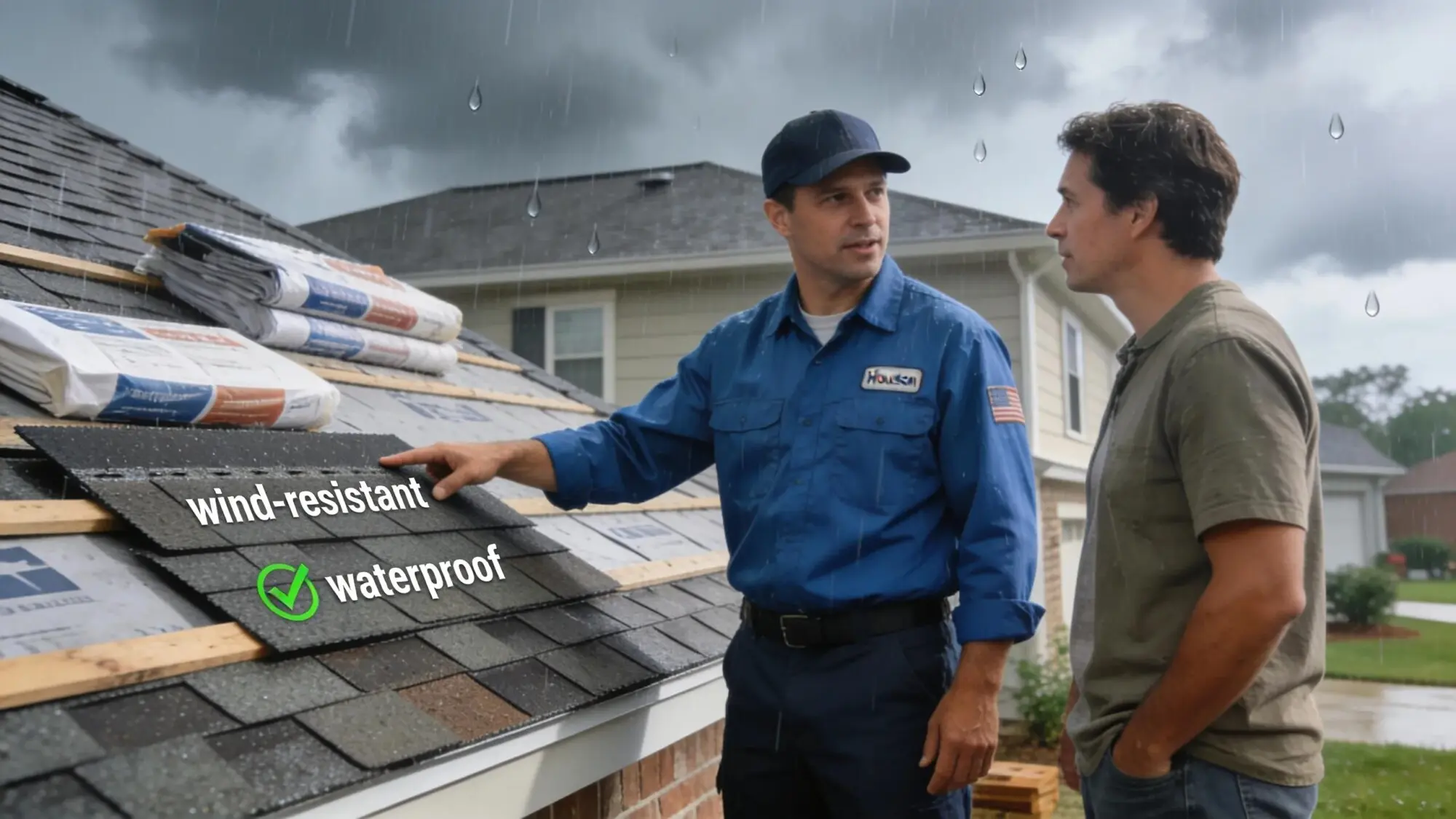
Materials resistant to heat and humidity—such as quality asphalt shingles, metal, or tiles—are common choices; discuss durability and insulation trade-offs with your contractor.
Many roofing projects require permits; confirm that your contractor will obtain needed permits and follow local building code requirements.
Clear the work area of vehicles and furniture, move fragile indoor items away from walls and ceilings, and secure pets to keep them safe during the project.