Roof Damage Insurance Photo Checklist: Comprehensive Guide for Accurate Documentation and Claim Success
By Usslyes Logan, Roof Fix Houston
Documenting roof damage is critical for homeowners submitting insurance claims. Proper photo documentation can significantly enhance the likelihood of claim approval, ensuring that all damage types are accurately represented and assessed. This guide provides a comprehensive checklist for capturing essential images of roof damage to facilitate a smooth claims process. Readers will learn effective techniques for documenting roof damage with clarity in mind, the best types of photos to take, and valuable organization tips that can streamline their documentation efforts.
In this article, we will explore several key sections, including best practices for photo documentation, essential types of damage to highlight, and what requirements you need to meet to optimize insurance claims successfully. By understanding the nuances of roof damage insurance photo documentation, homeowners can approach insurance claims with confidence, ensuring all critical details are captured adequately.
Comprehensive Guide on Accurate Documentation Techniques for Roof Damage Insurance Photo Checklist
Accurate documentation of roof damage is essential for a successful insurance claim. This involves not only taking pictures but also understanding what to capture and how to organize that information effectively. The goal is to establish a clear narrative of the damage for the insurance adjuster, which can significantly impact the claim’s outcome. Homeowners need to familiarize themselves with the vital aspects of effective documentation techniques.
One major pitfall involves failing to capture specific damage types; therefore, a strategic approach is necessary. By documenting the damage comprehensively and systematically, claimants can avoid unnecessary claim denials and delays. Additionally, using clear images coupled with detailed notes can further solidify the evidence presented to insurers.
Essential Types of Photos to Take:
Capturing the right types of photos is necessary to present a compelling case for your roof damage insurance claim. Here are the essential types of images you should prioritize:
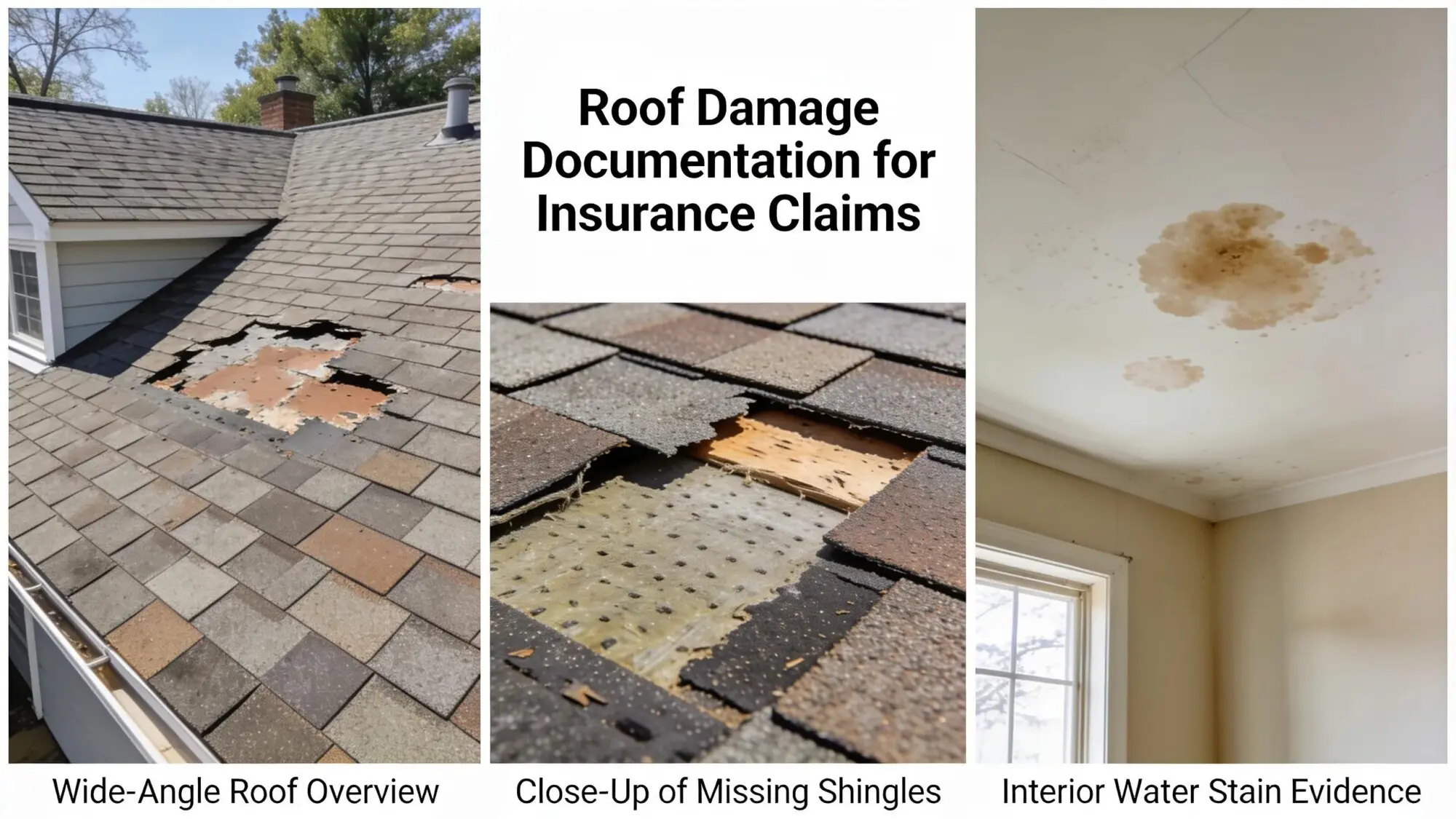
- Wide-angle Roof Shots: These images provide a full view of the roof, giving context to any localized damage.
- Close-up of Damage: Detailed shots of the specific areas of damage, such as missing shingles or water leaks, help assess severity.
- Interior Damage Documentation: If the roof damage has led to leaks or interior impacts, documenting this can strengthen the case significantly.
These images serve as vital pieces of evidence that help support your insurance claim, ensuring that all details are accurately depicted.
Organizing your documentation process can make a significant difference in how effectively you compile your insurance claim. Consider these practical organization tips:
- Create a Damage Log: Keep an ongoing record of all incidents related to the damage, including dates and types of events.
- Categorize Photos: Organize images by damage type and location to make referencing easier during the claims process.
- Compile Damage Reports: Summarize your findings in a report to accompany your images, providing a concise overview of damage types and conditions.
These tips will enhance the clarity and comprehensiveness of your documentation, making it easier for the insurance adjuster to review the materials presented.
Best Practices to Enhance Claim Success:
Implementing best practices during the documentation and claims process can improve your chances of a successful outcome. Follow these guidelines for effective claim submissions:
- Utilize Proper Lighting: Ensure your photos are taken in good lighting conditions to capture details effectively.
- Take Multiple Angles: Capture damage from various angles to give a complete picture of its extent and impact.
- Note Dates and Conditions: Clearly annotate each photo with dates and notes about weather conditions or events that may have caused the damage.
By adhering to these practices, homeowners can provide a thorough and persuasive case to insurance adjusters.
Documenting storm damage with clear photos is the most critical step in securing a fair insurance payout. Our team helps you navigate this process alongside our comprehensive Houston roofing services. If you suspect wind or hail impact, we can also coordinate expert Sugar Land roof repairto provide a certified inspection report for your adjuster.
For homeowners requiring professional assistance, Roof Fix Houston specializes in roofing and remodeling services, focusing on aiding clients with both repairs and insurance claims. Utilizing expert services can provide valuable support in accurately documenting roof damage, ensuring that all evidence is presented effectively to maximize claim success.
What Are the Essential Roof Damage Types to Document for Insurance Claims?
Homeowners must document various roof damage types to ensure their insurance claims are complete. Understanding the essential types of damages can provide clarity on what to include in your photo documentation.
How to Identify and Photograph Hail, Wind, and Water Damage on Your Roof
Identifying specific types of roof damage, such as hail or wind, requires trained observation skills. Look for:
- Hail Damage: Indicators include dimples on shingles and missing granules.
- Wind Damage: Look for torn or missing shingles, or damage to flashing.
- Water Damage: Identify stains on ceilings or walls that suggest leaks.
Utilizing clear photographs of these damages, alongside identification notes, can significantly bolster your insurance claim’s viability.
What Insurance Implications Do Different Roof Damage Types Have?
The type of roof damage observed directly affects the insurance claim process. Different damage types may invoke different coverage protocols depending on the policy specifics. Understanding these nuances, such as:
- Comprehensive vs. Basic Policies: Ensure you are aware if certain damages are covered under basic insurance or if you need a comprehensive policy for coverage.
- Policy Quirks: Some policies do not cover specific storm-related damages.
Documenting damage accurately is vital in ensuring the right coverage applies to your claim.
What Roof Inspection Steps Ensure Comprehensive Insurance Claim Documentation?
Completing a thorough roof inspection is a critical step for successful insurance claim documentation. Homeowners can follow these steps:
- Complete Checklist: Use a comprehensive inspection checklist to ensure no detail is overlooked.
- Hire Professionals: Consider employing professional roof inspectors for an expert assessment, helping to validate your documentation.
- Take Detailed Notes: Document findings meticulously to accompany photographic evidence.
These inspection steps will ensure homeowners are well-prepared when submitting their insurance claims.
How to Conduct a Detailed Roof Inspection for Insurance Purposes
Conducting a roof inspection requires a methodical approach to ensure all potential damages are evaluated properly. Follow these process guidelines:
- Visual Inspection Process: Start with a high-level overview of the roof's condition before delving into specifics.
- Document Findings: Make detailed notes of all findings, supported by photographs for clarity.
- Professional Assessment Value: Engaging a professional inspector can provide an expert overview and valuable recommendations on repairs and insurance documentation.
By conducting methodical inspections, homeowners can be better prepared for subsequent insurance claims.
Which Roof Insurance Claim Photo Requirements Must Be Met for Maximum Approval?
To ensure maximum approval of insurance claims, certain photo documentation requirements must be adhered to:
- Photo Resolution: Ensure images are of high quality and clarity, as blurry images can be dismissed.
- File Formats: Submit images in commonly accepted formats, such as JPEG or PNG.
- Insurance Specifications: Verify with your insurer regarding any specific photo documentation requirements unique to your policy.
Meeting these requirements will streamline the claims process, ensuring that all submitted evidence can contribute effectively to approval.
How Can Houston Homeowners Optimize Roof Damage Photo Documentation for Local Insurance Claims?
Houston homeowners face specific challenges regarding documenting roof damage, influenced by local weather patterns and regulations. To optimize documentation efforts:
- Local Weather Considerations: Document damages post-storm events to establish a clear causative link.
- Photographic Practices: Use a consistent filming style for easy reference and clarity.
- Advice for Communicating with Adjusters: Provide photos alongside your initial communication to establish a strong case from the outset.
Implementing these strategies will facilitate a smoother claims process in the Houston area.
What Are Houston-Specific Insurance Adjuster Expectations and Regional Damage Patterns?
Insurance adjusters in Houston may have specific expectations and understand local damage patterns influenced by regional weather phenomena. It’s crucial for homeowners to be aware of these factors as they prepare their claims.
- Common Damage Types: Familiarize yourself with local patterns like hurricane-related roof damage or hail impact, which commonly occur in the region.
- Adjuster Expectations: Maximize claim success by meeting any documentation expectations specific to local insurance adjusters.
Understanding these nuances can improve the quality of claims made by Houston homeowners.
Which Houston Regulations and Weather Data Impact Roof Damage Insurance Procedures?
Various regulations and weather data can affect how claims are handled in Houston. Factors to consider include:
- Regulatory Influences on Claims: Local laws may determine how claims are processed or what types of damage must be documented.
- Weather Data Trends: Seasonal weather patterns pertain to common damage types, influencing both repair needs and insurance procedures.
- Common Regional Issues: Certain complications may arise in claims that are specifically tied to the regional climate, such as flooding or high wind events.
A thorough understanding of these regulations can prepare homeowners for the documentation necessary to engage effectively in the claims process.
What Best Practices Should Homeowners Follow When Filing Roof Insurance Claims Using Photo Evidence?
Filing claims with photo evidence presents unique challenges for homeowners. To ensure effective submission:
- Essential Documentation Steps: Gather all necessary documents before starting the filing process.
- Common Pitfalls: Avoid taking only a few photographs; extensive documentation is crucial to provide context.
- Best Practices for Submitting Claims: Use a clear and organized format to present your case.
Following these guidelines will improve the overall efficacy of insurance claims.
How to Submit Roof Damage Photos Effectively to Support Insurance Claims?
Understanding the submission process for photo evidence can streamline the claims effectiveness. Key actions include:
- Submission Tips: Use your insurer's preferred method of submission to avoid any processing delays.
- Avoid Common Mistakes: Ensure all photos are well-dated and documented to avoid potential denial based on insufficient evidence.
- Effective Communication: Maintain clear dialogue with your insurer throughout the submission process to address any questions or clarifications needed.
By adhering to effective strategies, homeowners can bolster their claims with adequate photographic evidence.
What Common Mistakes in Roof Damage Photo Documentation Should Be Avoided?
Avoiding common mistakes in documentation can prevent delays and rejections in insurance claims. The following common pitfalls should be kept in mind:
- Insufficient Documentation: Failing to adequately capture all damage types can weaken the claim.
- Poor-quality Images: Low resolution or unclear images can undermine the evidence quality.
- Neglecting to Note Dates: Dates are crucial for establishing a timeline related to damage; ensure all photos are properly timestamped.
Awareness of these mistakes can guide homeowners in documenting effectively.
Why Choose Professional Roof Inspection Services Like Roof Fix Houston for Insurance Photo Documentation?
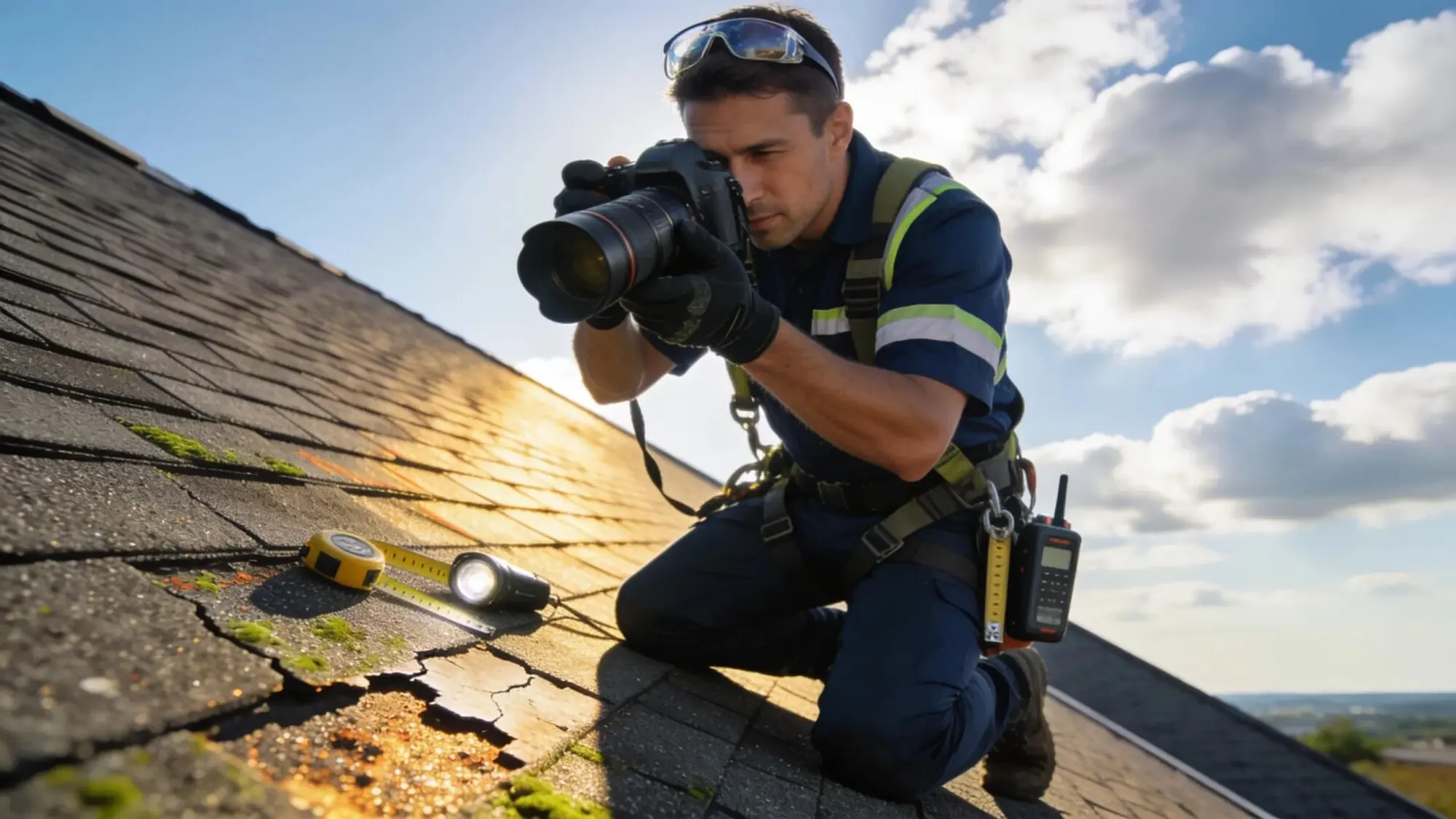
Utilizing professional inspection services can enhance the accuracy of your roof damage documentation. Here are some benefits:
- Expert Assessment of Damage: Professional inspectors can identify and document damage that homeowners might miss.
- Guidance on Documentation: Experts can provide tailored advice on the best way to photograph various types of damage.
- Timely Repairs: By securing professional services promptly, homeowners can initiate repairs swiftly, preventing further damage.
Engaging professionals can significantly strengthen a homeowner’s position during the claims process.
How Do Expert Roofing Services Facilitate Insurance Claim Accuracy and Approval?
Expert roofing services play an integral role in enhancing the accuracy of insurance claims. Here’s how they support the process:
- Accurate Assessments: Professional services ensure that all damage is fully documented, enhancing clarity.
- Preparation for Adjusters: They can prepare homeowners for interactions with insurance adjusters, improving outcomes.
- Documentation Support: Professionals can assist in compiling evidence and preparing the necessary documentation for submission.
Leveraging these services can significantly increase the likelihood of successful claims.
What Specialized Insurance Claim Assistance Does Roof Fix Houston Provide to Clients?
Roof Fix Houston offers specialized assistance for homeowners navigating insurance claims. Their services include:
- Documentation Gathering: Helping clients compile all necessary evidence for insurance claims.
- Claims Filing Guidance: Providing expert advice throughout the filing process to ensure accuracy and compliance.
- Negotiation Assistance: Acting on behalf of homeowners to negotiate terms with insurance providers.
These specialized services ensure that homeowners are supported throughout the insurance claim process, making it less daunting.
Frequently Asked Questions
What should I do immediately after discovering roof damage?
After discovering roof damage, it is crucial to take immediate action. First, ensure safety by avoiding the roof if conditions are unsafe. Next, document the damage by taking clear photographs to serve as evidence for your insurance claim. Then, notify your insurance company as soon as possible to report the damage and initiate the claims process. Lastly, consider contacting a roofing professional to assess the damage, as timely repairs can prevent further issues.
How can I ensure my roof damage is adequately documented for my insurance claim?
To document roof damage adequately for your insurance claim, follow a structured approach. Take comprehensive photos from various angles, including close-ups of damage and wide shots for context. Organize your images chronologically and categorize them by type of damage. Accompany photos with detailed notes on the dates and circumstances of the damage. Using a checklist can also help you ensure that all critical aspects are covered. This thorough documentation will support your claim effectively.
When is the best time to take photos of roof damage?
The best time to take photos of roof damage is shortly after the incident that caused it, preferably when weather conditions are stable and safe. Avoid taking pictures during rain or strong winds, as this may obscure damage details. Sunny days provide optimal lighting for clear photos. However, always prioritize safety; if conditions are too risky, wait until professional assistance can be obtained to capture the damage without putting yourself in danger.
What are the signs of hidden roof damage that I should look for?
Signs of hidden roof damage can be subtle and often are not visible from the outside. Look for water spots or stains on ceilings or walls, peeling paint, or sagging areas in the roof structure. Additionally, check the attic for signs of moisture, mold growth, or fallen insulation. Regular inspections can help identify these issues before they become severe. If you suspect hidden damage, consider hiring a professional to perform a thorough roof inspection.
How can I communicate effectively with my insurance adjuster?
To communicate effectively with your insurance adjuster, start by being well-prepared. Have all your documentation organized, including photos, damage logs, and any notes about the circumstances surrounding the damage. Be clear and concise in your explanations, and provide any context that can help them understand the extent of the damage. Ask questions to clarify the claims process and avoid assumptions. Maintaining professionalism and patience can lead to more successful interactions throughout the claims process.
What steps can I take if my insurance claim is denied?
If your insurance claim is denied, don’t panic; there are steps you can take to address the situation. First, carefully read the denial letter to understand the reasons behind the decision. If you believe the denial is unjust, compile additional evidence or documentation that supports your claim. You can appeal the decision by submitting your evidence along with a written appeal. Also, consider reaching out to your insurance agent for guidance and to discuss potential next steps.
Are there specific local regulations I should be aware of when filing my claim in Houston?
Yes, local regulations can vary and may impact how insurance claims are filed, particularly in Houston. Research specific building codes and insurance laws in your area that relate to roof repairs and claims. Additionally, local weather patterns can inform the types of damage covered and expected documentation. It’s advisable to familiarize yourself with regional practices and perhaps consult a local roofing expert or insurer to ensure compliance with any regulations relevant to your claim.