

Roof Inspection Houston Process by Trusted Local Roofing Companies
Comprehensive 21-Point Residential Roof Inspection Checklist
| Inspection Point | Description |
|---|---|
| Shingles | Check for missing, cracked, curling, or granule loss indicating wear or damage. |
| Flashing | Inspect for rust, cracks, or gaps around chimneys, vents, and valleys to prevent leaks. |
| Gutters & Downspouts | Ensure they are clear of debris, securely attached, and direct water away from foundation. |
| Roof Decking | Assess for sagging or rot beneath shingles indicating water damage or structural issues. |
| Attic Ventilation | Check for adequate airflow to prevent moisture buildup and heat damage. |
| Attic Insulation | Verify insulation condition to support energy efficiency and prevent ice damming. |
| Drip Edge | Inspect metal edges along eaves to ensure proper water runoff and protect fascia. |
| Chimney Condition | Examine masonry, flashing, and caps for cracks or wear. |
| Valleys | Check for debris, corrosion, or damage to ensure water flows freely. |
| Skylights | Look for cracks, sealant failure, or leaks. |
| Roof Penetrations | Inspect vents, pipes, and other penetrations for secure flashing and sealing. |
| Mold & Mildew | Detect mold growth on the roof surface or attic indicating moisture issues. |
| Structural Issues | Assess for sagging, uneven roof planes, or damaged support structures. |
| Water Stains | Spot visible stains on ceilings or attic walls indicating leaks. |
| Fasteners | Ensure nails or screws are secure and not backing out. |
| Eaves & Fascia | Check for rot, damage, or pest infestation. |
| Debris Accumulation | Remove leaves, branches, or dirt that can trap moisture. |
| Snow & Ice Damage (Seasonal) | Monitor for ice damming or snow load issues if applicable. |
| Surface Coatings | Assess any sealants or protective coatings for wear. |
| Lightning Protection | Examine grounding and covers if present for corrosion or damage. |
| Smoke Detectors & Alarms | Verify location and function if integrated with roof inspection for safety. |
Drone vs. Manual Inspection Criteria for High-Pitched Roofs in Houston
- Drone Inspections: Utilized for visual assessment from multiple angles without physical risk. Efficient for large or steep roofs, drones capture high-resolution imagery to detect damaged shingles, hail or wind damage, and debris accumulation. However, drones do not allow for physical testing of materials or detection of hidden leak sources.
- Manual Inspections: Involve trained inspectors accessing the roof physically. Essential for tactile assessment such as probing decking integrity, checking fasteners, and evaluating flashing seals. Manual inspection ensures a detailed evaluation of vulnerable areas but comes with increased safety considerations on steep pitches.
Assessing Houston Hail and Wind Damage During Roof Inspections
- Hail Damage Assessment: Inspectors look for bruising, dents, or cracked granules on shingles, metallic flashing, vents, and HVAC units. Granule loss often indicates hail impact and reduces shingle lifespan. Inspections also evaluate surrounding property for corroborating hail presence.
- Wind Damage Assessment: Focuses on lifted, missing, or curled shingles and damaged flashing. Inspectors check for loose fasteners and damage around roof edges, eaves, and valleys, which are vulnerable to high winds. Verifying that gutters and downspouts remain securely affixed is also important.
- Documentation: Accurate photographic evidence and measurements are crucial for insurance claims and repair planning.
Typical Houston Roof Inspection Costs
- Insurance Claim Inspections: Often $0 out-of-pocket for homeowners as these are covered by insurance companies following storm or damage events.
- Certified Engineering Inspections: Range from $200 to $450 depending on roof size, complexity, and inspector credentials. These inspections provide detailed reports with structural evaluations and are often required for high-value claims or real estate transactions.
Certified Inspector Qualifications for Houston Roof Inspections
- Licensing and Insurance: Inspectors should hold valid state roofing or home inspection licenses with proper liability and workers' compensation coverage.
- Certifications: Relevant certifications may include those from the National Roof Certification and Inspection Association (NRCIA), Roof Consultants Institute (RCI), or manufacturer-specific credentials.
- Experience with Houston Climate: Familiarity with local weather patterns, building codes, and common roofing materials enhances inspection accuracy.
- Use of Technology: Certified inspectors incorporate drones, moisture meters, and infrared cameras for comprehensive evaluations.
Common Roofing Issues Detected During Roof Inspection Houston
- Leaky Roofs: A common problem that can lead to water damage inside the home.
- Damaged Shingles: Missing or broken shingles can expose underlying roofing materials.
- Improper Flashing: Faulty flashing can cause leaks around chimneys and vents.
| Roofing Issue | Consequence | Prevention |
|---|---|---|
| Leaky Roof | Water damage, mold growth | Regular inspections and maintenance |
| Cracked Shingles | Water intrusion, structural damage | Prompt replacement of damaged shingles |
| Gutter Blockage | Water pooling, foundation damage | Routine cleaning of gutters |
Maintenance Tips for a Healthy Roof by Houston Roof Inspectors
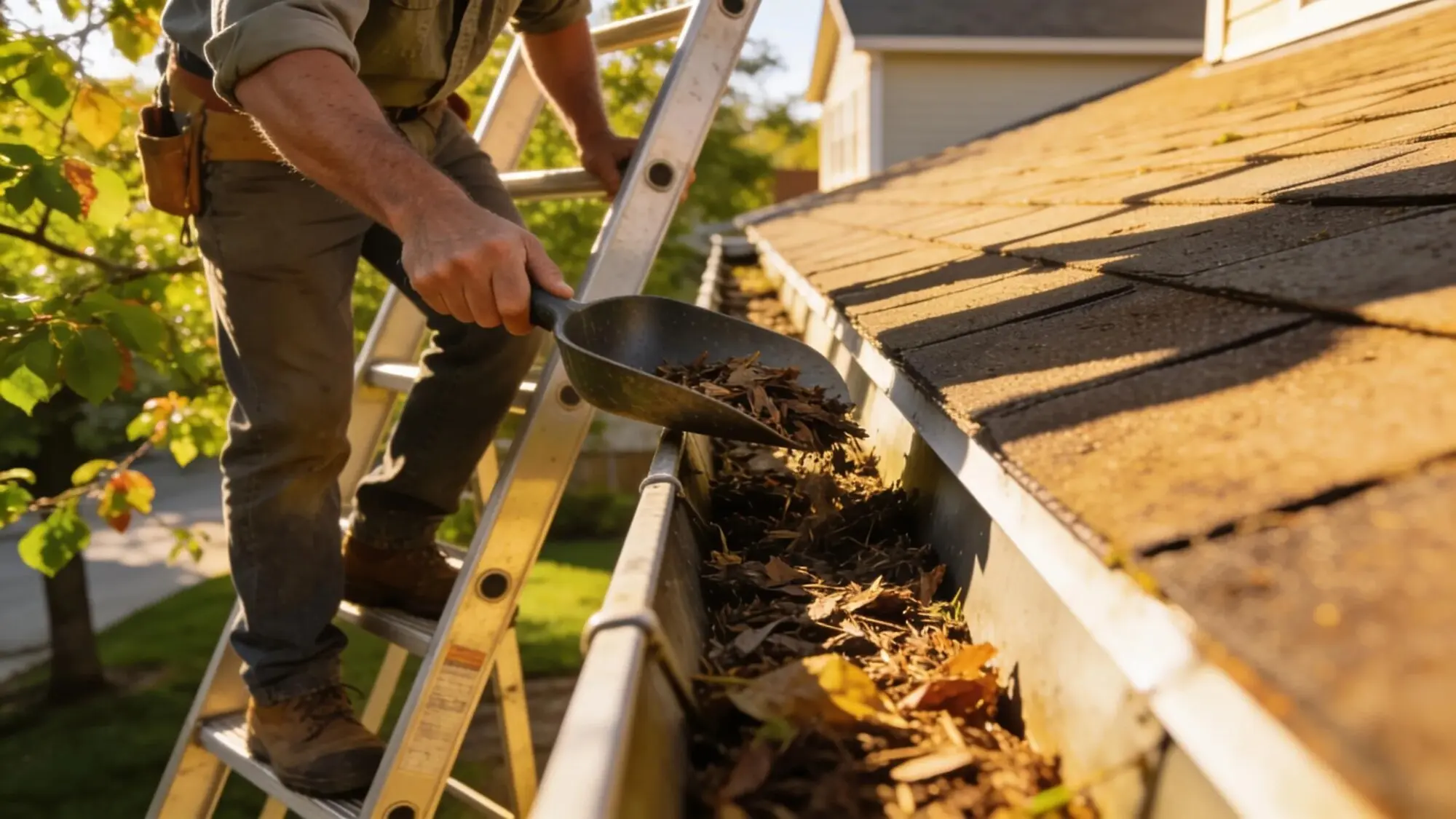
- Schedule Regular Inspections: Hire Houston roof inspectors to assess your roof's condition periodically.
- Clean Gutters: Ensure that gutters and downspouts are clear of debris to prevent water damage.
- Prompt Repairs: Address minor damage immediately to avoid larger issues later on.
Critical Steps in a Houston Roof Inspection Checklist by Local Roofing Companies
- Inspect all visible areas of the roof for damage or storm damage.
- Check the attic for signs of leaks or water stains.
- Evaluate the condition of gutters and downspouts.
Which Roof Components Are Examined During Roof Inspection Houston?
- Shingles: Look for curling, cracking, or missing shingles.
- Flashing: Check for rust or gaps that can lead to leaks.
- Gutters: Ensure they are secure and free of blockages.
How Does Houston Weather Affect Roof Inspection Houston Priorities?
What Are the Common Signs of Roof Damage Houston Homeowners Should Recognize?
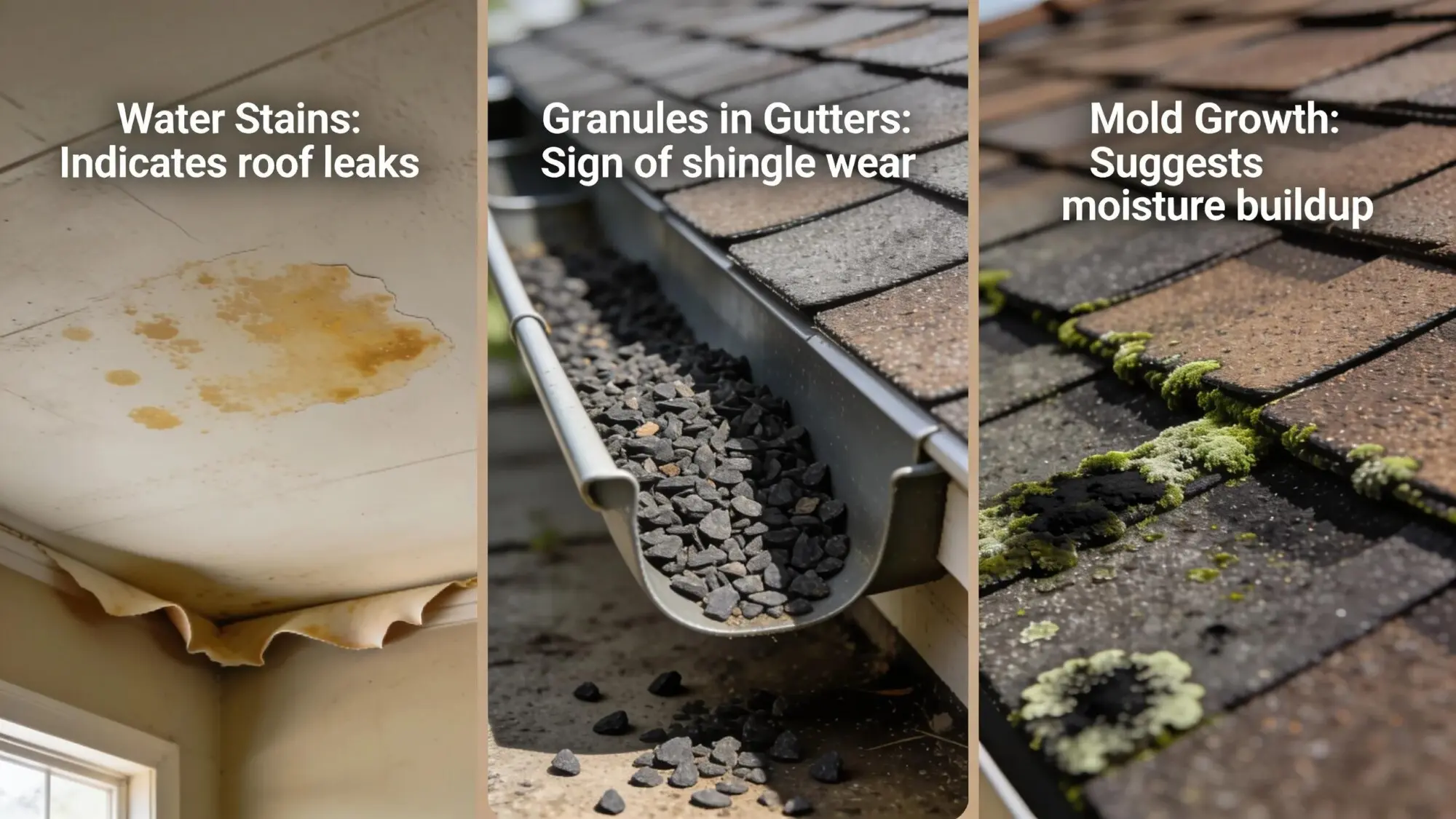
- Visible Water Stains: Typically found on ceilings or walls inside the home.
- Shingle Granules in Gutters: Loss of granules can indicate roof wear and a need for replacement.
- Mold Growth: Presence of mold on the roof surface suggests moisture retention.
How to Identify and Assess Roof Leaks and Water Damage After Storm Damage Inspection?
What Visible Signs Indicate Structural or Material Wear Detected by Houston Roof Inspectors?
- Sagging Rooflines: A sign of structural compromise.
- Missing or Damaged Shingles: Indicates wear from weather and age.
- Rusty Flashing: Suggests potential leaks.
How Can Houston Homeowners Maintain Roof Integrity After Roof Inspection Houston?
- Perform Routine Cleanings: Regularly remove debris from the roof and gutters.
- Monitor for Damage: Keep an eye on the roof for new signs of wear or damage after storms.
- Schedule Follow-Up Inspections: Especially after severe weather events or storm damage inspection.
What Are Recommended Roof Maintenance Services in Houston?
- Routine Inspections: Regular checks by Houston roof inspectors help detect issues early.
- Repairs: Timely repair services can address issues before they worsen.
- Cleaning Services: Professional cleaning to maintain roof health and appearance.
How to Address Minor Repairs Before They Escalate With Help From Houston Roof Inspectors?
- Common Warning Signs: Familiarity with indicators like loose shingles or gutter overflow.
- Timely Action: Addressing small issues promptly enhances longevity.
- Professional Help: Enlisting expert services from Houston roof inspectors and local roofing companies can ensure repairs are done thoroughly.
What Should Commercial Property Owners Know About Houston Roof Inspection Services?
- Inspection Frequency: Commercial roofs may require more frequent inspections due to size and usage.
- Unique Codes and Requirements: Compliance with local regulations is crucial for commercial properties.
- Potential for Larger Issues: Unlike residential roofs, commercial roofs can hide problems affecting overall property integrity, making storm damage inspection critical.
How Do Commercial Inspections Differ From Residential in Houston?
- Complexity of Systems: Commercial roofs usually incorporate advanced systems requiring specialized knowledge.
- Exterior Access Considerations: The size and height of commercial structures may impact inspection methods.
- Documenting Compliance: Commercial inspections often need thorough documentation to comply with local regulations.
What Are the Benefits of Roof Certification for Houston Businesses?
- Reduced Insurance Premiums: Certified roofs may qualify businesses for lower insurance rates.
- Increased Property Value: A certified roof can enhance the overall valuation of a property.
- Peace of Mind: Knowing the roof has been professionally assessed and certified by Houston roof inspectors can relieve property owners of stress.