

To choose the top commercial roofing contractors in Houston, consider the following criteria:

- Ensure Credentials and Experience: Verify the contractor's licenses, insurance, and years of experience in the industry.
- Look for Local Expertise: Choose contractors familiar with the Houston climate and roofing regulations.
- Check Material Quality: Assess the types of roofing materials and products the contractor uses for installations.
- Research Customer Reviews: Look for feedback from previous clients to gauge the contractor's reputation and work quality.
- Understand Warranty Options: Inquire about warranties on both materials and workmanship to protect your investment.
Expert Solutions for Commercial Roof Installation
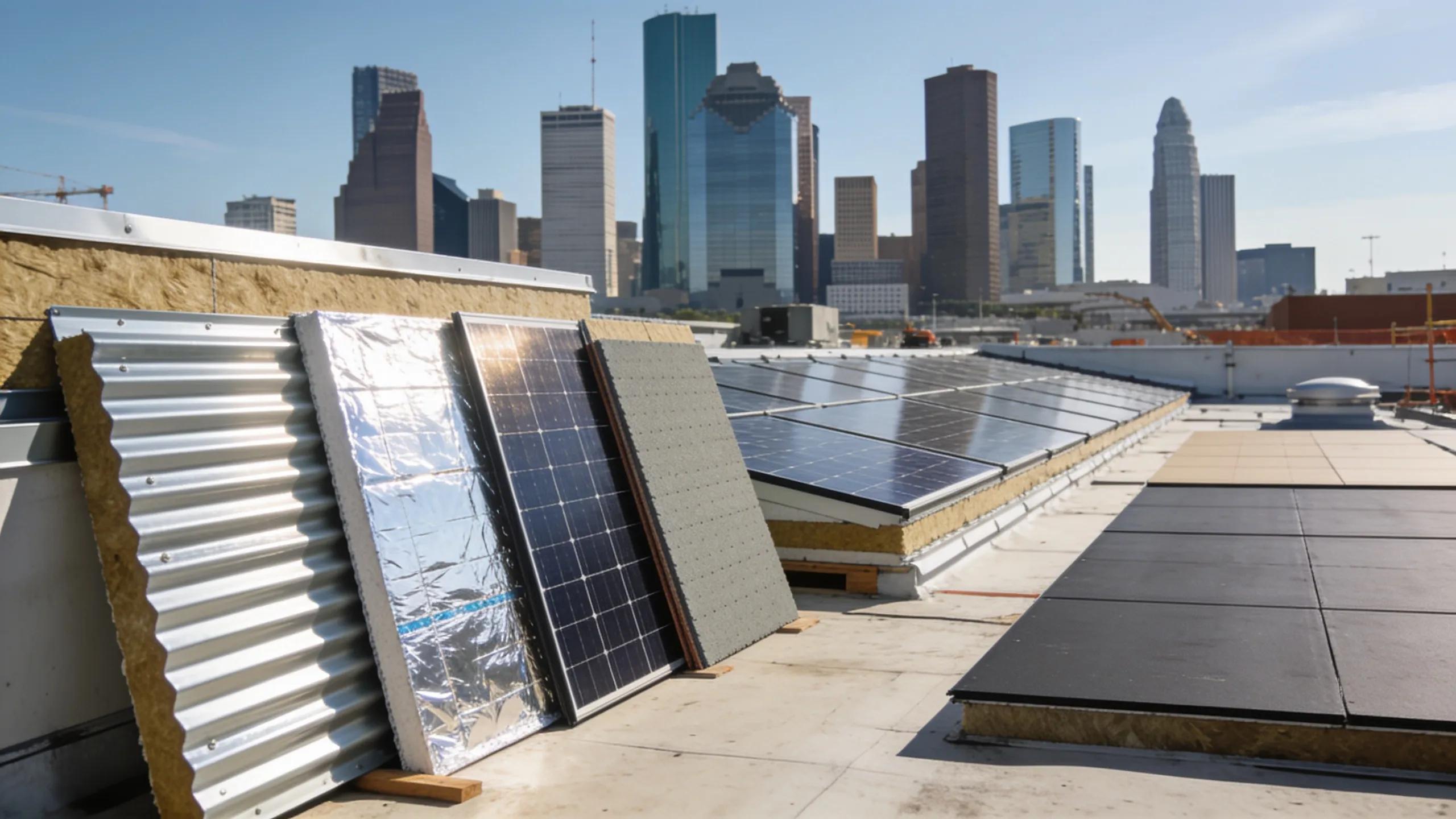
- Metal Roofing: Known for its durability and longevity, metal roofs also offer energy efficiency benefits.
- Flat Roofing: Common in commercial buildings, flat roofing systems are cost-effective and straightforward to install.
- Energy-Efficient Roofing: Energy-efficient roofing Houston businesses choose is designed to enhance energy savings, especially in hot climates like Texas.
| Type of Roofing | Benefits | Cost Range |
|---|---|---|
| Metal Roofing | Longevity, Low maintenance | $7-$12 per square foot |
| Flat Roofing | Cost-effective, Easy to install | $5-$10 per square foot |
| Energy-Efficient Roofing | Reduces energy costs, Environmentally friendly | $6-$11 per square foot |
Maintenance Considerations
- Importance of Regular Inspections: Proactive checks can help identify issues early on, preventing larger problems.
- Emergency Repair Options: Have a plan in place for urgent repairs to minimize damage.
- Energy-Saving Maintenance Tips: Implement practices that not only maintain the roof but also enhance its efficiency.
What Are the Key Commercial Roofing Services Offered in Houston?
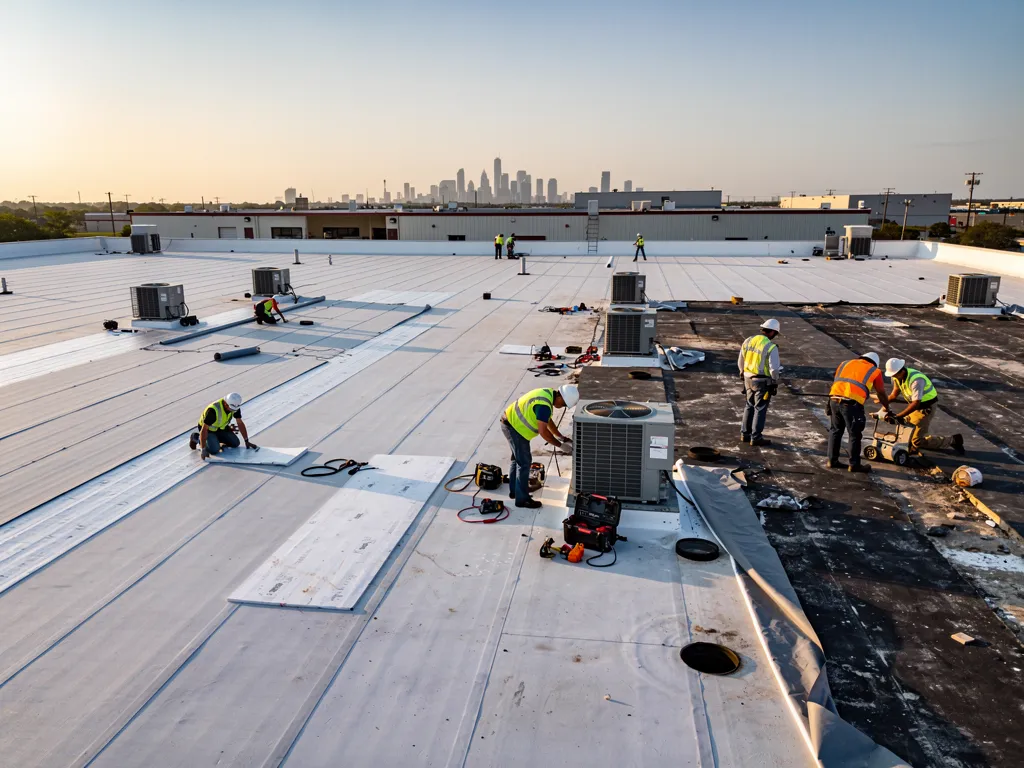
- Roof Installation Services: Professionals who specialize in installing various types of roofing systems.
- Maintenance Options: Regular upkeep services to extend roof life.
- Emergency Repair Services: Fast response teams to handle unexpected damage.
- Energy-Efficient Solutions: Options to retrofit existing roofs for improved energy performance.
Which Commercial Roof Installation Options Are Available in Houston?
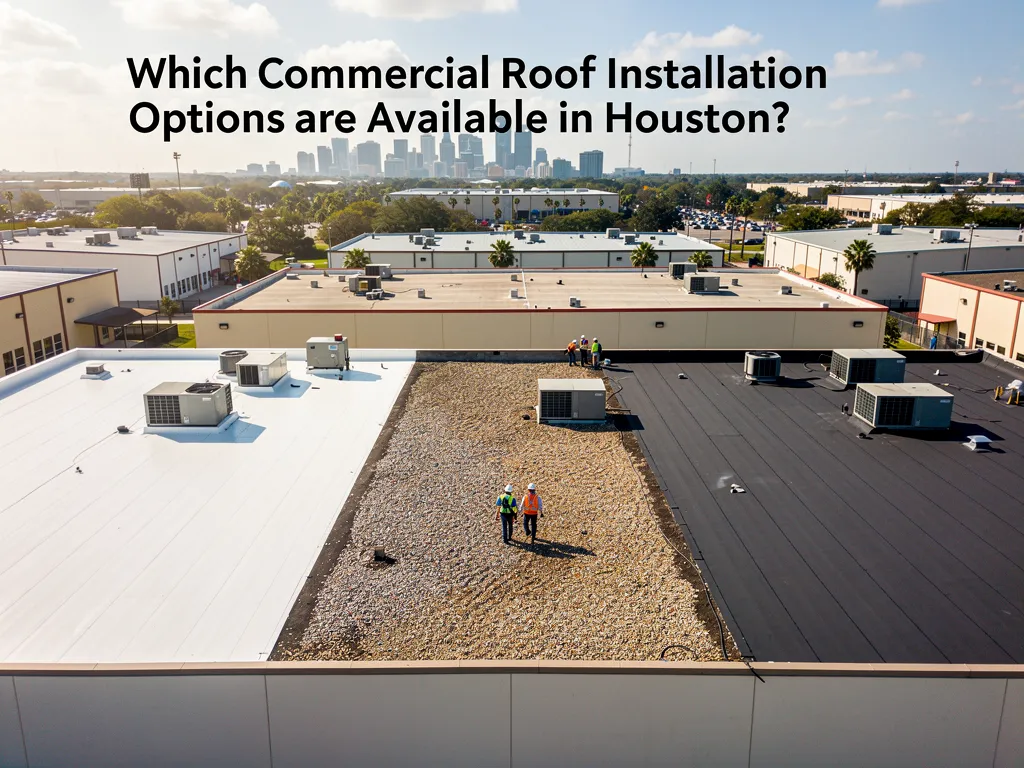
- Single-Ply Roofing: Flexible and easy to install, ideal for flat roofs.
- Built-Up Roofing: Layered system providing extra durability, often used in high-traffic areas.
- Modified Bitumen: A cost-effective roofing solution that adds strength to flat roofs.
How Is Flat Roof Maintenance Managed Across Texas Commercial Buildings?
- Inspection Frequency: Flat roofs should be inspected regularly due to their potential for water pooling.
- Maintenance Practice Details: Cleaning debris and ensuring proper drainage are crucial for flat roofs.
- Regulatory Considerations: Adhere to local regulations regarding maintenance practices to ensure compliance.
How Do Roof Coating Systems Benefit Commercial Buildings in Houston?
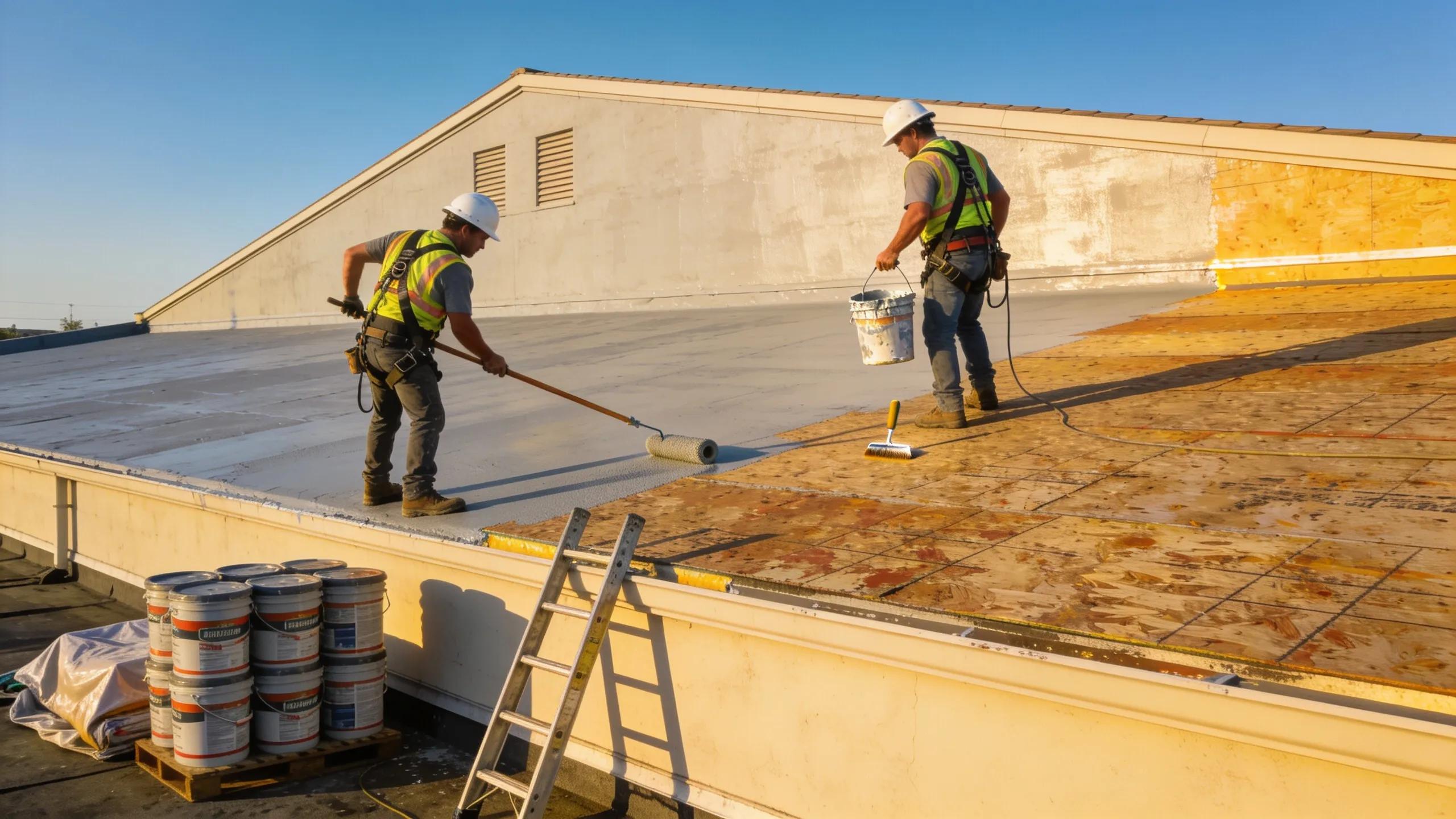
- Energy Efficiency: Coatings can reflect solar energy, helping keep building interiors cool and reducing cooling costs.
- Cost Savings: Roof coatings extend the lifespan of existing roofs, delaying the need for full replacements.
- Longevity of Roofs: High-quality coatings can provide additional protection against wear and tear.
What Types of Commercial Roof Coatings Are Commonly Used?
- TPO Coatings: Known for their reflective properties and ease of installation.
- Silicone Coatings: Provide excellent waterproofing capabilities, ideal for flat roofs.
- Acrylic Coatings: Versatile and cost-effective, suitable for many roofing systems.
- Polyurethane Coatings: Strong and durable, perfect for exposed roofing surfaces.
How Do Roof Coatings Improve Long-Term Roof Performance?
- Durability of Materials: Coatings shield roofs from weather elements, reducing deterioration.
- Energy Efficiency Improvements: By reflecting sunlight, coatings can lower cooling energy costs substantially.
- Environmental Impact: Many roof coatings are designed to be eco-friendly, further contributing to sustainable building practices.
What Factors Should You Consider When Choosing Commercial Roofing Contractors in Houston?
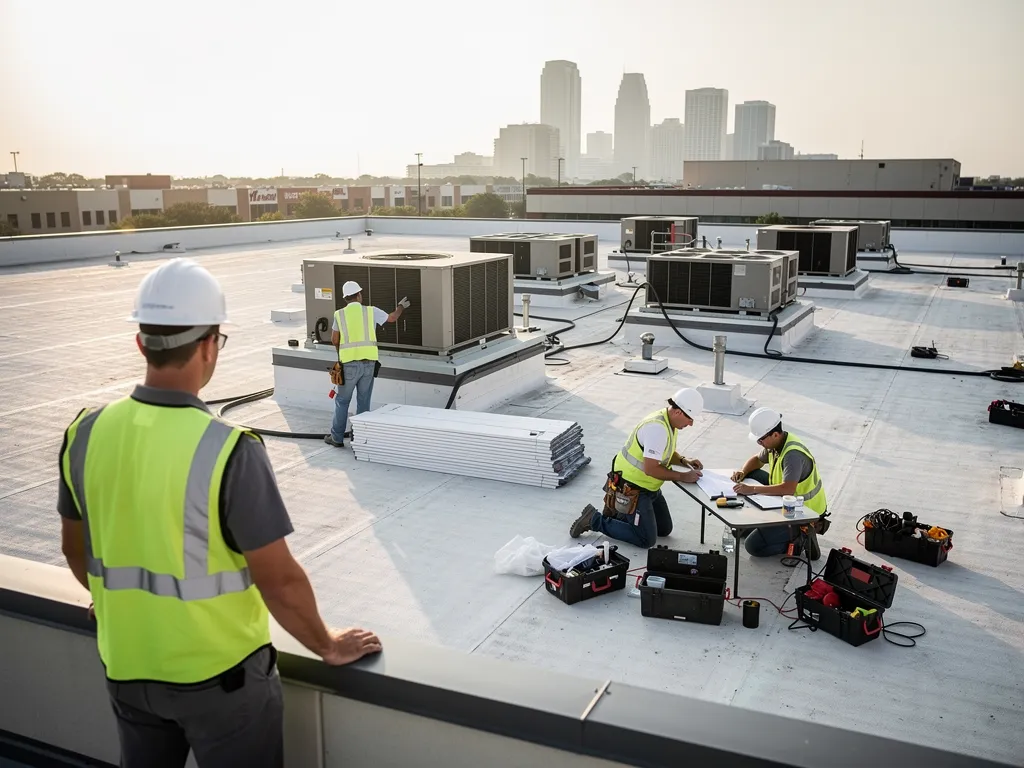
- Experience and Reputation: Look for well-established contractors with positive reviews and proven track records.
- Licensing and Insurance: Ensure contractors are fully licensed and insured to protect against liability.
- Warranties Offered: Understand the guarantees provided for both materials and workmanship.
- Cost Estimates: Consider multiple quotes to find a balance between quality and affordability.
Which Credentials and Warranties Are Essential for Contractor Selection?
- Proper Licensing: Verify that the contractor holds the requisite licenses to operate in Texas.
- Insurance Compliance: Ensure they have liability insurance to protect against potential accidents or damages.
- Manufacturer Certifications: Look for contractors certified by leading roofing manufacturers, indicating expertise.
- Warranty Options: Examine the specifics of warranties provided, including duration and coverage.
How Do Customer Reviews and Local Reputation Influence Contractor Choice?
- Customer Feedback Importance: Positive reviews can indicate reliability and quality service.
- Local Reputation Influence: Established contractors often build a strong reputation through community engagement and referrals.
What Are the Typical Costs and Timeline Expectations for Commercial Roofing Projects in Houston?

- Cost Estimates for Services: Typical installation ranges from $5 to $12 per square foot, depending on the type of roofing material selected.
- Expected Timelines for Repairs: Most flat roof repairs or coatings can take about 1-3 days, while larger installations may require 1-2 weeks depending on complexity.
How Much Does Commercial Roof Installation or Repair Usually Cost?
What Is the Average Duration for Flat Roof Repairs and Coating Applications?
How Can You Ensure Proper Roof Inspection and Maintenance to Extend Commercial Roof Life in Houston?
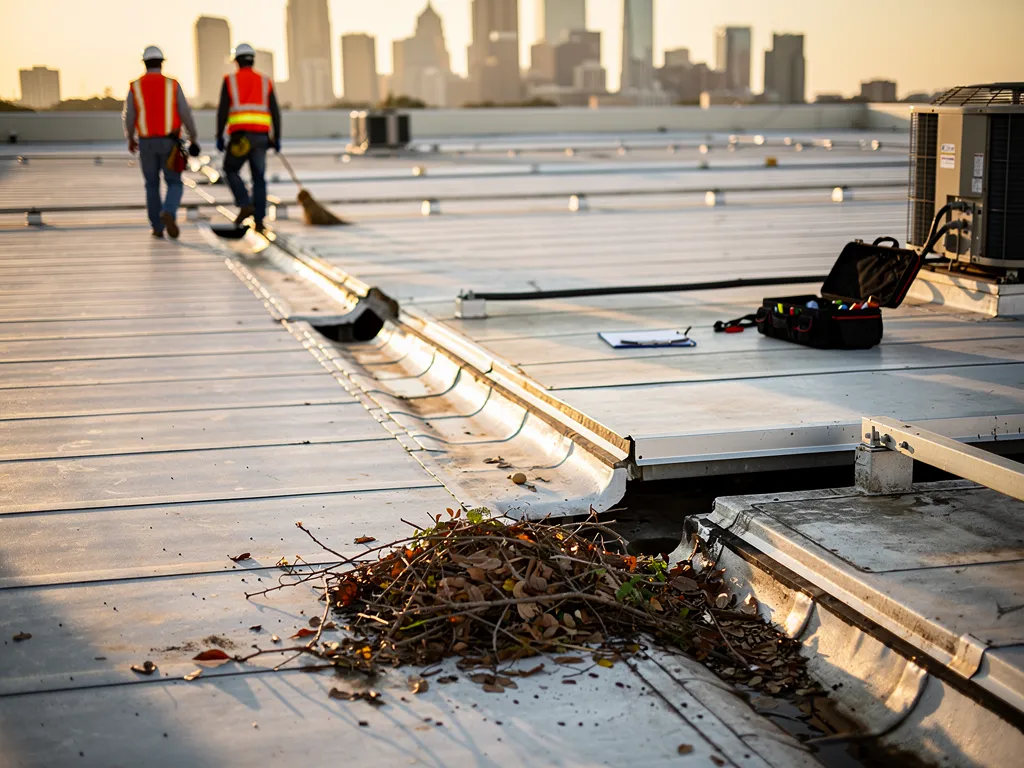
- Inspection Frequency Mandates: Conduct inspections at least biannually to identify issues before they escalate.
- Preventative Maintenance Tips: Keep the roof clean and clear of debris, and ensure drainage systems function adequately.
What Are Best Practices for Regular Roof Inspections in Houston’s Climate?
- Inspection Schedule Recommendations: Schedule inspections in spring and fall to prepare for seasonal weather changes.
- Focus Areas During Inspections: Pay special attention to any potential pooling areas, seams, and flashing points, which are critical for roof integrity.
How Does Routine Flat Roof Maintenance Prevent Costly Repairs?
- Methods to Avoid Costly Repairs: Regularly check for signs of wear or damage and address them promptly.
- Importance of Routine Checkups: Establishing a reliable maintenance schedule can prevent minor issues from evolving into major problems.
What Are the Latest Innovations and Environmental Benefits in Commercial Roofing for Houston Businesses?
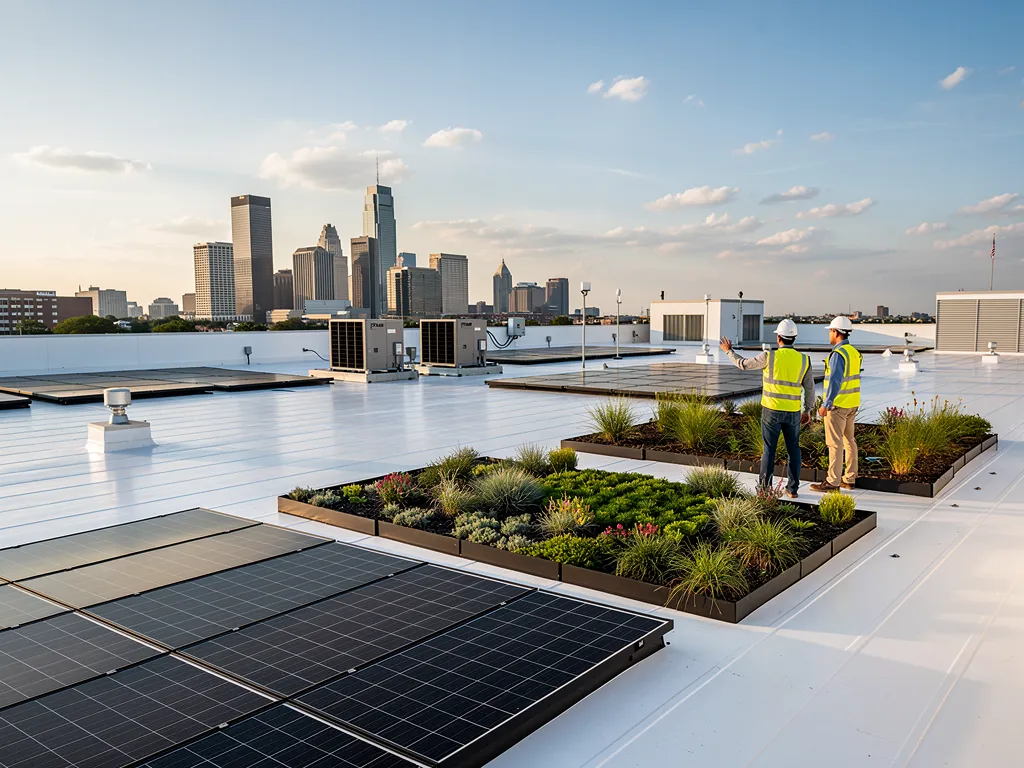
- Emerging Roofing Technologies: New materials and designs are being developed to improve durability and insulation.
- Sustainability Considerations: Green roofing options and biodegradable materials reduce environmental impact.
Which Green Roofing and Cool Roof Technologies Are Gaining Popularity?
- Living Roofs: Integrating vegetation into roofs to enhance insulation and reduce heat absorption.
- Reflective Coatings: These reduce thermal gain, keeping buildings cooler and lessening energy costs.