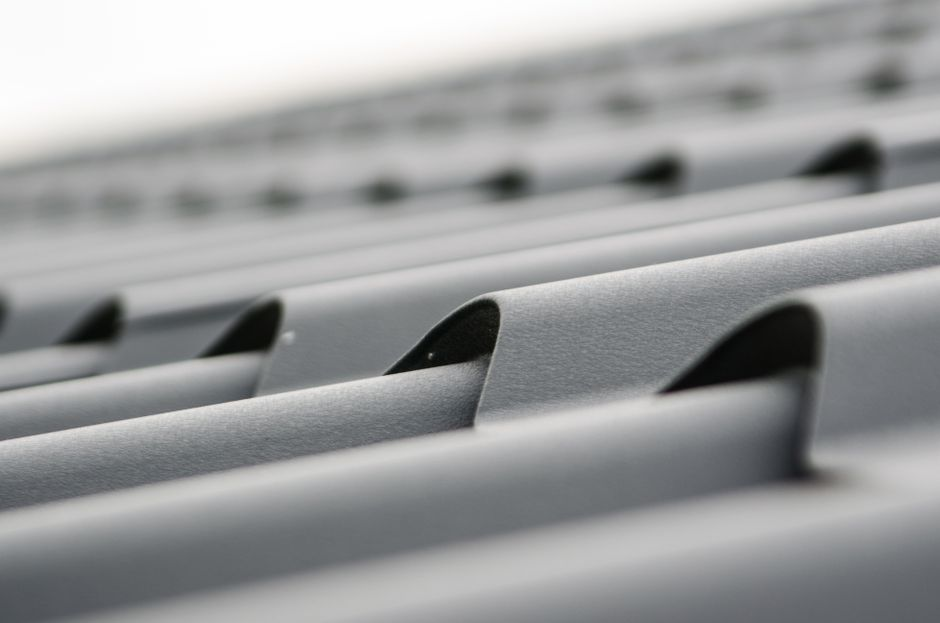
A metal roof is one of the better choices for a Houston property. It sheds heavy rain, handles the summer heat, and lasts a long time when it is installed correctly. It is not, however, a roof you can forget about. Between the heat that pushes panels to expand and contract and the storms that deliver wind-driven rain and hail, metal roofs develop a handful of predictable problems over the years.
Most of those problems show up in three places: the fasteners that hold the panels down, the seams where panels meet, and the flat spans of metal that take hits from hail and debris. Each one fails differently and each one needs a different repair. This guide walks through what each type of damage looks like, how it is fixed, and how to decide whether a repair is enough or whether replacement makes more sense.
Why Metal Roofs in the Houston Area Need Attention
Two forces do most of the damage. The first is heat. Metal panels expand in the afternoon sun and contract again at night, and that cycle repeats for years. Every fastener, seam, and lap in the roof moves with the panel. Anything that was tightened once and never checked again can work itself loose.
The second is storm weather. Houston gets wind-driven rain that pushes sideways against the roof, hail that dents and stretches metal, and flying debris that can puncture a panel or knock a flashing out of place. A small opening at a fastener or a seam lets water into the deck, and once the deck stays wet, the repair gets bigger and more expensive.
Catching these issues early is the whole point of a repair visit. A handful of replaced screws costs far less than a rotted section of decking and a new interior ceiling.
Backed-Out, Loose, and Missing Fasteners
On an exposed-fastener metal roof, the screws are visible in neat rows across the panels. Each one carries a small sealing washer under the head. That washer is a wear item. Sun bakes it, heat cycles compress it, and eventually it flattens out or cracks. When the seal goes, the screw is no longer keeping water out even if it still looks tight.
What failing fasteners look like
- Screw heads sitting higher than the surrounding panel instead of snug against it
- Rust streaks or dark staining running down from a fastener
- Cracked, flattened, or missing sealing washers
- Screws that spin or wobble when pressed
- Empty holes where a screw has backed all the way out
- Damp spots or staining on the ceiling below a fastener line
One loose screw usually means its neighbors are on the way out too. Fasteners in the same run go through the same movement and the same weather, so a repair that replaces only the one obvious screw tends to be back on the list next season.
How fastener repairs are done
A proper repair starts with a walk of the roof to find every loose or failed fastener, not just the one that is leaking. Each bad screw is pulled and replaced with the correct fastener for that panel profile, with a new sealing washer. If the hole in the panel has wallowed out and will not hold a screw, the repair needs a larger fastener or a different approach so the panel is not left with an open hole.
Adding a bead of sealant over a loose screw is not a repair. It hides the problem for a while and leaves the panel unsecured, which is exactly what wind damage feeds on.
Seam Failures and the Leaks They Cause
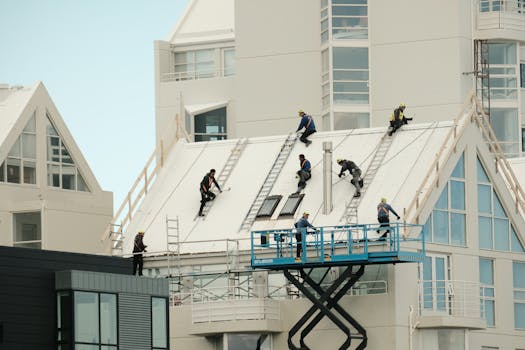
Seams are where panels overlap or interlock, and they are the second most common source of leaks on a metal roof. They are also the hardest to spot from the ground, because a failed seam often looks perfectly normal until water shows up inside.
Where seams give out
Vertical seams on standing seam roofs, the end laps on exposed-fastener panels, ridge caps, hip caps, and the transitions where the roof meets a wall all move with the building. Sealant used at those joints dries out and pulls away over time. Fasteners along the seam back out. Panels that were cut or fitted poorly at installation can hold stress at the seam, which makes failure happen sooner.
How seam repairs are handled
The fix depends on how far the seam has failed. A seam with dried or cracked sealant gets cleaned down to bare metal and resealed with a product meant for metal roofing, not a general-purpose caulk. A seam that has opened up gets re-crimped or re-fastened so the panels are joined properly again. A seam where the metal itself is torn or badly deformed usually means replacing that panel section rather than trying to bridge the damage.
Sealant is a maintenance item on any metal roof. It is meant to be checked and refreshed, and a repair that skips the cleaning step before sealing is a repair that will not hold.
Storm Dents and Hail Damage
Houston hail leaves its mark on metal. Dents range from small cosmetic dimples to large deformed areas where a panel has been stretched. The question after a storm is rarely whether the roof has dents. It is whether those dents matter.
When a dent is only a dent
Shallow dents in the middle of a flat panel that have not cracked the factory coating or opened a seam are mostly a cosmetic issue. The metal is still doing its job. Homeowners often want them gone anyway, and panel replacement is the usual route when appearance matters.
When dents turn into leaks
Dents become a repair problem when they land on a seam, a fastener line, or a flashing. Impact there can break the seal, crack the coating so the steel underneath starts to rust, or stretch the metal enough that the panel no longer sits flat. Debris carried by wind can puncture a panel outright. Any dent that has cracked the finish or disturbed a seam deserves a closer look, because corrosion that starts under a broken coating spreads.
Matching the Symptom to the Repair
Most metal roof repairs fall into a small number of categories. The table below shows how a common symptom usually lines up with a cause and an approach. An actual roof has to be inspected before anyone can say which one applies.
| Symptom | Likely cause | Typical repair approach |
|---|---|---|
| Loose or missing screws | Thermal movement, worn washers | Replace fasteners and sealing washers along the affected run |
| Rust streaks below fasteners | Failed washer, trapped moisture | Replace affected fasteners, treat corrosion, check the deck |
| Water at a seam or lap | Dried sealant, opened seam | Clean, reseal, and re-crimp or re-fasten the seam |
| Dented panels after hail | Impact damage | Assess coating and seam condition, then repair or replace the panel |
| Leak at a vent or pipe | Failed flashing or boot | Replace the flashing and reseal the penetration |
Repair or Replace?
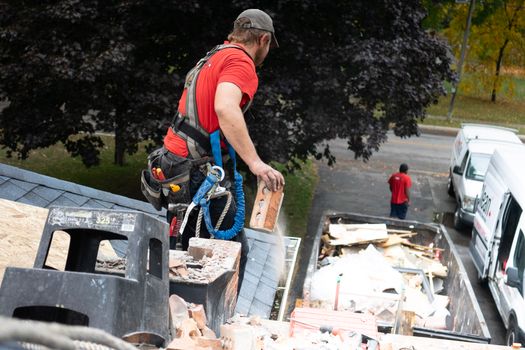
Scattered problems point toward repair. A dozen loose fasteners, a couple of failed seams, and a few dented panels on an otherwise sound roof are routine work. So is a single leak traced to one flashing.
Replacement becomes the better conversation when the damage is widespread. Long stretches of corroded panels, seams that have been patched repeatedly, leaks that keep coming back in different spots, or a roof that has already been repaired several times all suggest the metal is near the end of its service life. The same is true when water has reached the decking and insulation in more than one area. Repairing a roof that is failing everywhere just spreads the cost out without solving the problem.
A free inspection is the fastest way to get a straight answer. Roof Fix Houston provides free inspections and can quote repairs and replacement so the comparison is clear.
Choosing a Metal Roof Repair Contractor in Houston
Metal roofing is a specialty. A crew that works mostly on asphalt shingles may not have the fasteners, sealants, or tools for a standing seam or exposed-fastener panel. Ask directly what metal experience the company has and how they handle panel profiles like yours.
Check licensing and insurance, and ask for a written scope that lists what is being replaced, what is being resealed, and how many fasteners are involved. Vague line items make it hard to compare bids or to know what was actually done.
- Ask whether the company holds manufacturer certifications that affect warranty eligibility
- Get the repair scope in writing before work starts
- Confirm the crew will check the deck and attic side for water intrusion, not just the surface
- Ask how the company documents storm damage if an insurance claim may be involved
- Read recent reviews from local customers with metal roofs
Roof Fix Houston is a family-owned contractor serving the Greater Houston metro area with residential and commercial roof repair, full replacement, and storm and emergency leak response. The company holds GAF Certified Plus, IKO RoofPro Select, and Owens Corning Preferred Contractor credentials and offers extended manufacturer warranties including GAF System Plus, IKO, and Owens Corning coverage. It carries a BBB A+ rating and more than 250 five-star reviews, and offers financing with $0 down.
Getting a Metal Roof Repair Started
The first step is a roof inspection that identifies which of the three problems you are actually dealing with. Fasteners, seams, and storm dents each need their own fix, and mixing them up wastes money. A crew that walks the roof, checks the fastener lines and seams, and looks at the attic side for water will give you a scope you can trust.
Roof Fix Houston offers an instant online roof estimate tool that uses your address, along with free inspections and financing with $0 down. If a storm has left you with an active leak, the team also handles emergency leak response. Start with the estimate tool or reach out to schedule an inspection, and get the repair sorted before the next round of Houston weather finds the weak spot.
Frequently Asked Questions
How do I know if my metal roof needs repair or just maintenance?
Maintenance covers cleaning, checking sealant, and tightening or replacing fasteners before they fail. Repair is needed once water is getting in, a seam has opened, a panel is punctured, or fasteners have backed out across a large area. An inspection tells you which category you are in.
Can a dented metal panel be repaired without replacing the whole roof?
Often, yes. Individual panels can usually be replaced or repaired without touching the rest of the roof, as long as the panel profile is still available and the surrounding seams and fasteners are sound. Widespread denting combined with cracked coatings or open seams can push the decision toward replacement instead.
How soon should I call after a Houston storm?
As soon as you notice a leak, ceiling stain, loose panel, or debris on the roof. Water reaches the deck and insulation quickly, and small openings get larger with each storm. If a leak is active, emergency response is the right call rather than waiting for a scheduled appointment.
Will a repair affect my metal roof warranty?
It can. Repairs made with the wrong fasteners, incompatible sealants, or by crews without the right credentials may affect coverage. Ask the contractor about manufacturer certifications, keep documentation of the work, and review your warranty terms so you know what is required to keep coverage intact.