
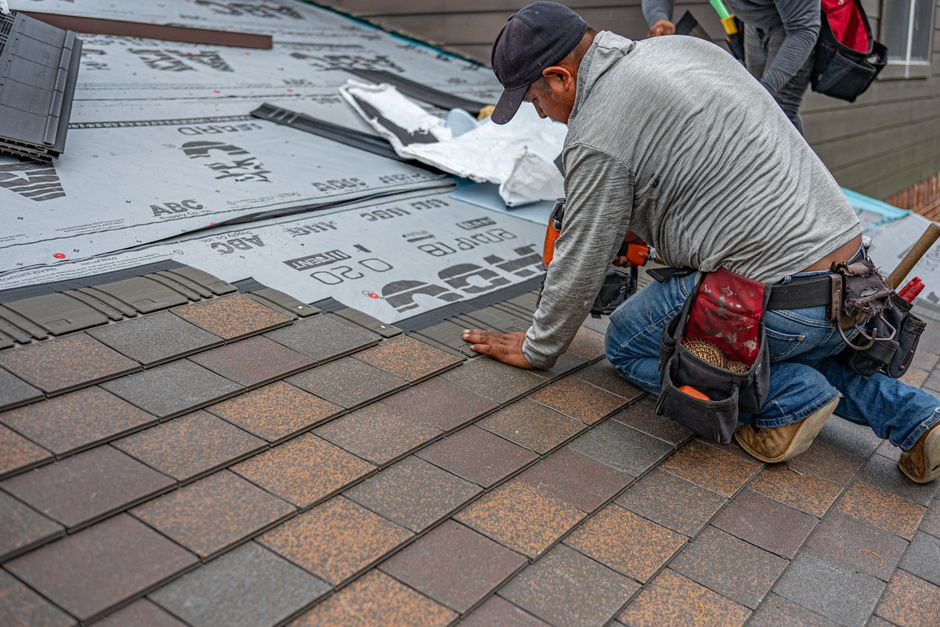
Water spots on a ceiling rarely appear at the moment a roof fails. They show up later, after enough rain has pushed through a lifted shingle, a cracked pipe boot, or a rusted flashing detail. By the time the stain is visible from the living room, water has usually been traveling along a rafter or through insulation for weeks. That gap between the actual breach and the visible symptom is what turns a simple patch into a roof repair Houston TX homeowners did not plan or budget for.
The good news is that the escalation is predictable. Once you know how Houston weather stresses a roof and what early damage looks like from the attic side, you can usually catch a leak while it is still a small repair instead of a decking replacement.
Why Small Leaks Escalate Faster in Houston
A roof in the Houston metro area lives through a specific combination of stress. Long stretches of heat bake asphalt shingles and dry out sealant strips. Humidity keeps attic framing damp enough that small amounts of water do not always dry out between storms. Then heavy rain arrives sideways, driven by wind, and finds every weak point at once: a nail pop, a lifted tab, a joint that was sealed years ago and never checked again.
Heat is the quiet part of the problem. Attic temperatures climb, and the underside of the roof deck stays warm. Wood that stays warm and slightly damp is exactly the environment where rot and mold start. A leak that would dry out in a drier climate can sit in a Houston attic and spread instead. That is why a stain the size of a quarter is worth investigating rather than watching.
Signs a Small Leak Is Already Bigger Than It Looks
Most homeowners notice the interior symptom first. The roof side usually tells the story earlier, and the attic side tells it more honestly than the ceiling ever will.
- Brown rings, bubbling paint, or a soft spot on a ceiling or wall, especially below a valley, chimney, or roof penetration.
- Granules collecting in gutters or at downspout outlets, which often points to shingles breaking down.
- Curled, lifted, or missing shingles, particularly along ridges, hips, and the windward slopes.
- Rusted nails, dark staining, or white chalky streaks on the underside of the roof deck.
- Daylight visible through roof boards from inside the attic.
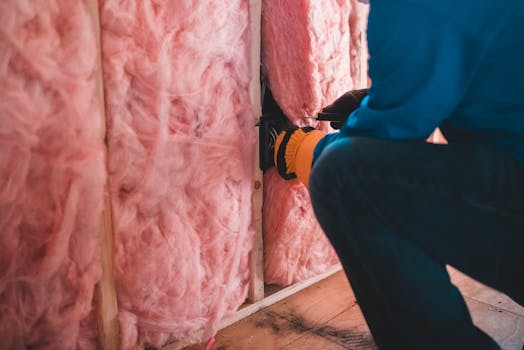
- Damp or compressed insulation, or a musty smell in the attic that does not clear.
- Sagging along the roofline or a deck that feels soft underfoot during an inspection.
Any one of these is a reason to get the roof looked at. Two or more together usually means the repair scope is larger than the visible stain suggests. Documenting what you see with photos helps a contractor understand the timeline before anyone climbs up.
What a Repair Visit Usually Uncovers
A thorough inspection starts at the suspected point and works outward. Water does not respect the boundary of a single shingle, so the search area is always wider than the stain.
Flashing and Penetrations
Chimneys, vent pipes, skylights, and wall-to-roof transitions are the most common entry points for leaks. Flashing and the boots around pipes seal with caulk or metal that ages out. Once the seal fails, water runs behind the material and shows up somewhere else entirely. Repairing the flashing and the surrounding shingles usually closes the leak permanently.
Shingles and Underlayment
A single damaged shingle can be replaced without disturbing the rest of the field. What complicates the job is what sits underneath. If the underlayment beneath the damaged area has torn or deteriorated, the repair has to extend to that layer, which means a larger open area and more material. This is the point where a small patch becomes a section repair.
Decking and Attic-Side Damage
When the roof deck is soft, stained, or delaminated, the repair cannot simply cover it back up. Damaged decking sections need to be cut out and replaced so the new shingles have something solid to fasten to. This is also where interior consequences show up: wet insulation, stained framing, and in prolonged cases mold on attic surfaces. A leak that has been running for a season can require both roofing work and interior attention.
| What the inspection finds | Typical next step |
|---|---|
| One damaged or missing shingle, sealant failure at a pipe boot | Targeted patch with matching material |
| Failed flashing at a chimney, wall, or skylight | Flashings rebuilt and shingles replaced around the penetration |
| Torn underlayment under a damaged area | Section repair across a larger footprint |
| Soft or stained roof decking | Decking sections replaced, then new roofing installed over them |
| Widespread shingle failure across a slope | Full roof repair or replacement discussion |
What Roof Repair Costs in Houston
Roof repairs in Houston typically fall in the range of $200 to $1,000, depending on how extensive the damage is and what roofing material is involved. Minor shingle replacement sits at the low end of that range. A repair that involves rebuilding flashing, replacing underlayment, or cutting out decking sits at the upper end.
Several things move a job within or beyond that range: the pitch and height of the roof, how accessible the damaged area is, whether matching material is still available, and whether the leak is isolated or part of a pattern. A roofer who quotes a number before inspecting the attic and the roof surface is guessing. Ask for a written scope that names the materials and the areas being repaired.
Can a Temporary Fix Buy You Time?
Sometimes. A tarp or a tube of roof sealant can get you through a storm system when a repair crew cannot get out immediately. What it cannot do is solve the underlying problem. Sealant smeared over a failed flashing joint traps water against the same materials that were already failing, and the next heavy rain simply routes around it.
Treat any temporary measure as a stopgap with an expiration date. If you use a tarp, secure it properly, keep it from abrading the shingles, and put a real inspection on the calendar. Ponding water on a flat or low-slope section deserves the same urgency.
Repair or Full Replacement?
The choice is rarely about the size of the stain. It comes down to the age and condition of the roof, how many separate problem areas exist, and whether the damage is localized. A twenty-year-old roof with one failed pipe boot is a repair. The same roof with granule loss across multiple slopes, several patched areas, and soft decking in two places is a different conversation, because the next leak is already forming somewhere the inspector has not reached yet.
A good inspection report gives you the information to decide without pressure. Ask for photos of everything the inspector describes, and ask what happens to the rest of the roof if you only fix the current leak.
How to Vet a Roofer Before You Commit
Houston has a large roofing market, and the differences between contractors matter more on repairs than on replacements because repairs are quick and easy to walk away from. Vetting takes about twenty minutes.
- Confirm the company is licensed and insured, and ask for proof rather than a verbal assurance.
- Read recent reviews from customers with jobs similar to yours, not just high-volume replacement work.
- Ask whether the company is local and established, with a physical presence you can verify.
- Request a written scope and estimate before work begins, including materials and cleanup.
- Ask about workmanship and manufacturer warranties on the repair, not just on full installs.
- Be wary of anyone who knocks after a storm and offers to handle everything with your insurance without an inspection first.
Roof Fix Houston offers free inspections and manufacturer-certified installations, including GAF Certified Plus, IKO RoofPro Select, and Owens Corning Preferred Contractor credentials, along with an address-based instant estimate tool for homeowners who want a ballpark before booking.
When to Stop Waiting and Call
Call for an inspection as soon as water is actively entering, when a ceiling is sagging or bulging, or when you can see daylight through the roof deck. Those are not situations to monitor. For smaller signs, a stain that has not changed, a few granules in the gutter, a single lifted shingle, schedule an inspection before the next storm system rather than after it. Houston rain rarely gives much notice, and a repair done before the roof is saturated is cheaper and cleaner than one done in the middle of a wet week.
Frequently Asked Questions
How long can I wait before fixing a small roof leak?
Waiting is a gamble, not a plan. A small leak can stay small for a while if the weather dries out, but Houston humidity often keeps attic materials damp between storms. Once you see a stain spreading, soft decking, or a musty smell, waiting usually means a larger repair. Schedule an inspection promptly and let the findings set the timeline.
Does homeowners insurance cover a small roof leak in Houston?
It depends on the cause. Insurance generally responds to sudden damage from a covered event rather than to wear and tear or long-term neglect, and every policy differs. Review your own policy language and speak with your insurer before assuming coverage. A contractor can document the damage and its likely cause, which helps your conversation with the adjuster.
Can a small leak be patched instead of a full repair?
Often yes. If the damage is limited to a shingle or two, a failed pipe boot, or a single flashing joint, a targeted patch is a legitimate fix. Once underlayment, decking, or multiple slopes are involved, patching becomes a short-term answer. The inspection determines which situation applies to your roof.
How do I choose a roof repair company in Houston?
Verify licensing and insurance, read recent reviews from customers with comparable repairs, ask for a written scope with materials listed, and confirm warranty terms before work starts. Local, established companies are easier to hold accountable after the job. Free inspections make it practical to compare more than one estimate.
Small leaks are easy to dismiss because the damage is invisible until it is not. The window between a five-hundred-dollar repair and a much larger project is usually measured in weeks of Houston weather, not months. Get the roof inspected while the stain is still the biggest problem you have.